AHA and BHA Acids and Immortelle: How to Combine Exfoliating Acids with Nina Natural Skincare
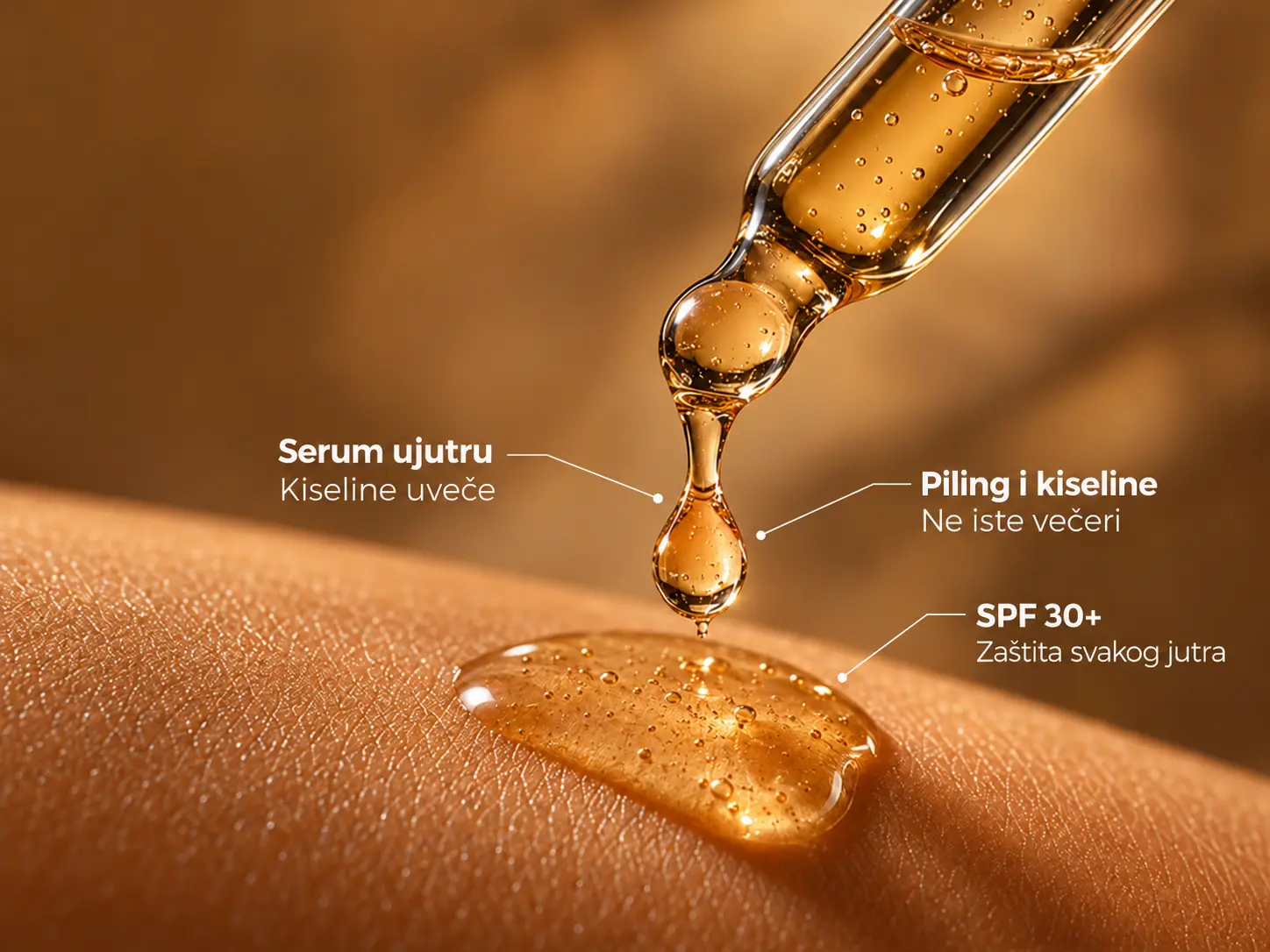
Acids are everywhere in facial skincare today: glycolic acid toners, lactic acid serums, salicylic acid gels…
And almost always, the same question comes up: I use a certain acid—does that mean I need to stop using immortelle skincare?
The short answer: no, you don’t. Skincare products containing acids and Nina Natural products work well together. You just need to know what to use at night, what to use in the morning, and what should never be used together.
This matters because using an acid-based skincare product incorrectly won’t give you the results you’re looking for. Instead of smoother skin, you may notice redness, stinging, and flaking. If you don’t have an esthetician to help you put together a daily skincare routine, this article is for you.
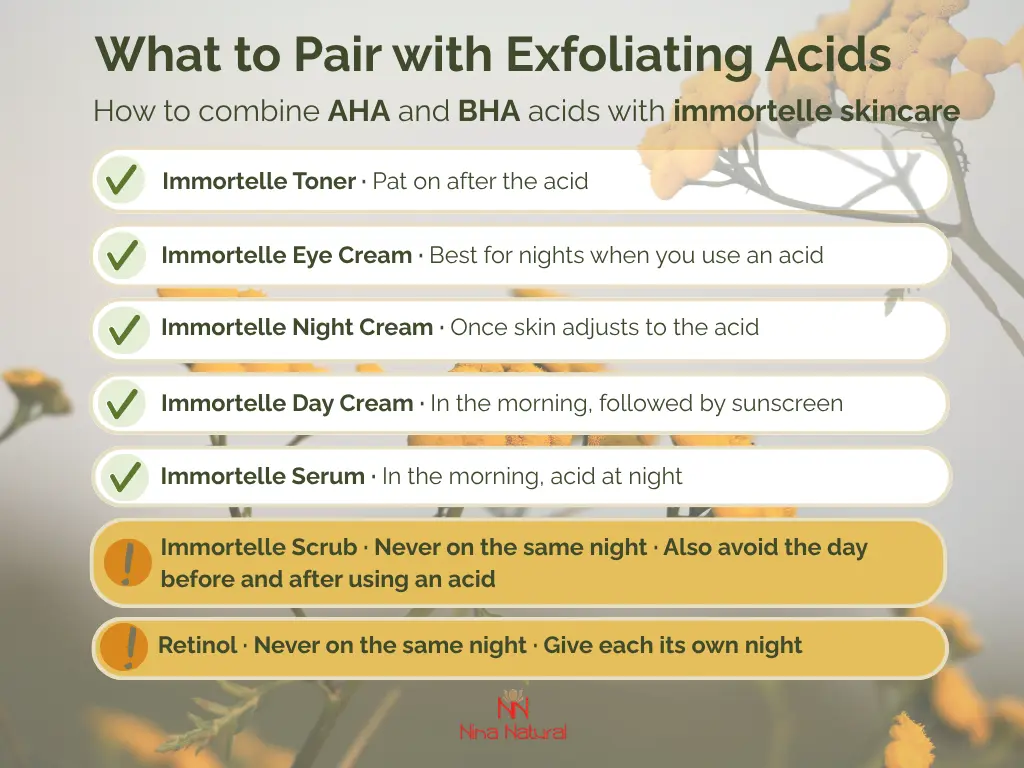
At a Glance: What Can You Combine, and What Should You Avoid?
What Are AHA and BHA Acids?
Both types of acids are chemical exfoliants. Instead of removing dead skin cells through rubbing, they loosen them from the skin’s surface.
- AHAs—most commonly glycolic and lactic acids—are a good choice for dry skin, uneven skin tone, and early signs of wrinkles.
- BHA, or salicylic acid, penetrates pores, making it a common choice for oily and acne-prone skin.
On product labels, you’ll recognize them by the names Glycolic Acid, Lactic Acid, Mandelic Acid, or Salicylic Acid.
Important: We explain the difference between chemical and physical exfoliation in our article What Is Face Exfoliation and How Do You Use It?.
Why Does Immortelle Skincare Work Well with Acids?
The acid does its job by removing the old layer of dead skin cells. Afterward, your skin needs hydration, nourishment, and soothing care. That’s exactly what Nina Natural skincare provides. Here’s how:
- Immortelle Toner contains panthenol to soothe the skin and is fragrance-free. Pat it on after the acid.
- Immortelle Eye Cream contains neither fragrance nor essential oils, making it the best choice for nights when you use an acid.
- Immortelle Night Cream and Immortelle Day Cream nourish the skin with plant oils and help retain moisture, which matters because acids often dry out the skin.
None of these products chemically “reacts” with the acid.
A quick note for ingredient-label readers: If you see the word “acid” in our ingredient lists—such as benzoic acid or citric acid—that does not mean the product is an exfoliant. These ingredients serve as preservatives or help adjust the product’s pH.
Three Rules You Should Never Skip
1. Never Use Immortelle Scrub and an Acid on the Same Night
This is the most important rule in this entire article.
Our Immortelle Scrub contains fine apricot kernel particles that remove dead skin cells. An acid does the same thing, just in a different way. Using them together means exfoliating your skin twice, which is the fastest route to redness and irritation.
- Never use the scrub and an acid on the same night.
- Do not use the scrub the day before or the day after using an acid, either.
2. Use Immortelle Serum in the Morning and the Acid at Night
Immortelle Serum contains a small amount of vitamin C as part of its nourishing formula. Still, while your skin is adjusting to an acid, it’s best not to apply other active ingredients alongside it at night.
The rule is simple: serum in the morning, acid at night. In the morning, Nina Natural Serum helps prepare your skin for moisturizer and sunscreen.
3. Apply Sunscreen Every Morning
Acids make skin more sensitive to the sun, and this can last for a week after your last use. That’s why sunscreen is essential every morning, even when it’s cloudy.
Immortelle Day Cream does not contain SPF. Apply a sunscreen with SPF 30 or higher over it.
A tip for the first few weeks: The Night Cream contains lavandin essential oil, and the Day Cream contains fragrance. While your skin is adjusting to the acid, use fragrance-free Nina Natural Eye Cream after the acid at night.
Your Week: A Sample Schedule
You don’t need to use an acid every night. Your skin also needs recovery nights, when you simply nourish and soothe it. Here’s a sample schedule to get you started:
| Day | Evening routine | What to apply |
| Monday | Acid | Acid, Toner, Eye Cream |
| Tuesday | Recovery | Toner, Night Cream |
| Wednesday | Recovery | Toner, Night Cream |
| Thursday | Acid | Acid, Toner, Eye Cream |
| Friday | Recovery | Toner, Night Cream |
| Saturday | Scrub | Scrub, Toner, Night Cream |
| Sunday | Recovery | Toner, Night Cream, Eye Cream |
If your skin stings after you apply the acid or you notice flaking, add a few more recovery nights—in other words, take a longer break. The manufacturer’s instructions for the acid product you use always take priority. This rhythm is similar to a skin cycling routine, in which nights with active ingredients alternate with recovery nights.
Your Routine, Step by Step
Every Morning
- Wash your face.
- Apply Immortelle Toner.
- Apply Immortelle Serum.
- Apply Immortelle Day Face Cream.
- Apply sunscreen.
On Nights When You Use an Acid
- Wash your face and wait for your skin to dry.
- Apply the acid according to the product’s instructions and allow it time to work. The instructions always specify how long the acid should be left on.
- Apply Immortelle Toner by patting it onto your skin, without rubbing.
- Apply Immortelle Eye Cream, or Nina Natural Night Cream once your skin has adjusted to the acid.
On Scrub Nights
- Wash your face.
- Gently apply Immortelle Scrub, without pressing.
- Rinse with lukewarm water.
- Apply Toner and Night Cream.
On Recovery Nights
Apply Toner, Night Cream, and a little Eye Cream to areas with fine lines, such as around the lips and eyes.
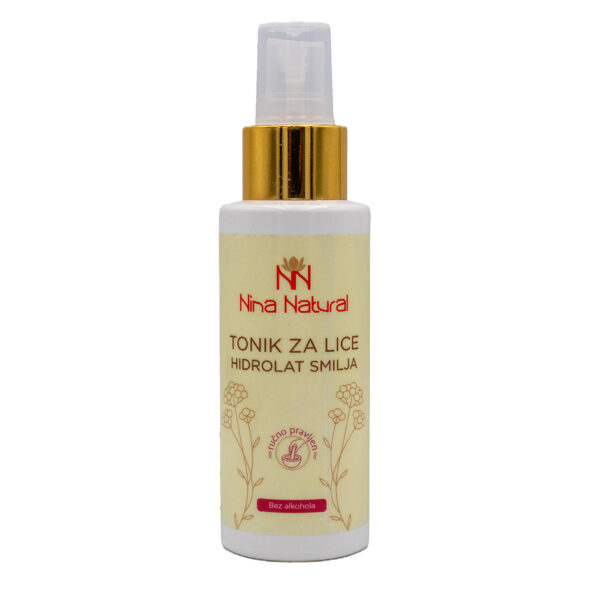
Helichrysum Facial Cleansing Tonic
- Contains Helichrysum hydrolat, rose water, and panthenol
- Alcohol free formulation
- Gently cleanses, refreshes, and revitalizes the skin
- Boosts microcirculation and deeply hydrates the facial skin
- Soothes and rejuvenates the skin
- Removes makeup residues and limescale that accumulates in pores due to hard water
- Tightens pores and prepares the skin for further care
- Convenient spray bottle for easy application
- Handcrafted in small batches
How Can You Tell When Your Skin Has Had Too Much Acid?
If you notice any of the following, your skin is telling you that its barrier has been compromised:
- Your skin stings even when you apply the gentlest moisturizer.
- Your skin is red, and the redness doesn’t go away.
- Your skin flakes, peels, and feels tight.
- Your skin looks unnaturally shiny, as though it has been polished.
At that point, take a break from both acids and scrubs. For a few days, stick to gentle cleansing, Toner, and Anti-Wrinkle Cream until your skin settles down. You’ll find more advice in our article Skin Damaged by Exfoliation: How to Soothe Irritation and Help Your Skin Recover.
What You Need to Know If You Also Use Retinol
Do not use an acid and retinol on the same night. Give each product its own night, with a recovery night in between. We explain how to combine retinol with immortelle skincare in our article Retinol and Immortelle.
When Should You Consult a Dermatologist or Esthetician First?
Acids are potent active ingredients, and not everyone’s skin is ready for them. Before buying your first acid product, consult a dermatologist or an esthetician who knows your skin. They can help you choose an appropriate product if:
- You have rosacea, eczema, or very sensitive skin.
- Your skin develops dark spots after breakouts or irritation.
- You are pregnant or breastfeeding.
- You are using a skin treatment prescribed by a doctor.
- You want a stronger chemical peel, which should not be performed at home, especially without professional supervision.
If you’ve already started using an acid and your skin still hasn’t settled down after a break of several days, see a dermatologist.
Frequently Asked Questions
Which Acid Should I Start With?
If you have dry or normal skin, start with a gentler AHA, such as lactic or mandelic acid. If you have oily skin and breakouts, salicylic acid is a better choice. Choose a gentler formulation to begin with. A stronger acid does not mean faster results, but it definitely means a greater risk of irritation.
How Often Should I Use an Acid?
Start with one or two nights a week, as shown in our sample schedule. If your skin is responding well after a few weeks, you can add another night. Always follow the directions on the product’s packaging, too.
Is It Normal for an Acid to Sting?
A mild, brief tingling sensation can happen at first. Burning, persistent redness, or peeling are not normal. These are signs that your skin is getting too much acid, so take a break as described in the section “How Can You Tell When Your Skin Has Had Too Much Acid?”
Can I Use an Acid in the Summer?
Yes, but only if you apply sunscreen every morning. An acid can make your skin more sensitive to the sun for up to a week after your last use. If you know you’ll be spending a lot of time in the sun—for example, on a beach vacation—it’s better to take a break from the acid.
Do I Also Need Immortelle Scrub If I Use an Acid?
Not necessarily. The acid already removes dead skin cells, so you won’t need to use the scrub on your face very often. If you do use it, follow this rule: never on the same night as the acid, or the day before or the day after.
Can I Use Niacinamide Alongside an Acid?
Yes. The simplest approach is to use the acid at night and niacinamide in the morning. Read more in our article on how to combine niacinamide with immortelle skincare.
When Will I See Results?
Smoother skin and a more even skin tone usually become noticeable after several weeks of consistent use. Don’t try to speed up the results by using a stronger acid or applying it more often, because that is a common cause of irritation.
A note about allergens: Nina Natural products contain ingredients that some people may be sensitive to: almond oil, wheat germ oil, lanolin, beeswax, calendula, immortelle, fragrance (in the Day Cream and Scrub), and lavandin essential oil (in the Night Cream). Test every new product on a small area of skin first.
This article is for informational purposes only and does not constitute medical advice. If you have questions about your skin, consult a doctor or dermatologist.