Skin Care for Skiing
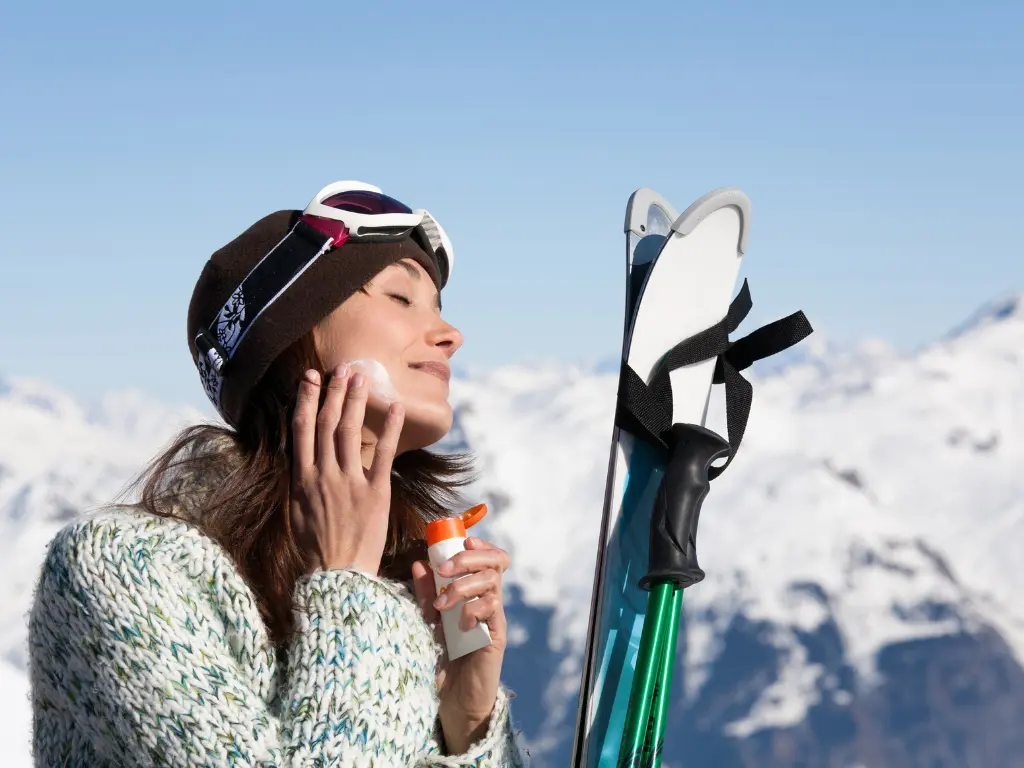
The first day in the mountains always goes the same way. In the morning, you’re excited, your skis are over your shoulder, and your skin seems fine—as far as you can tell. That evening, you look in the mirror at your rental and see red cheeks, a stinging nose, skin that feels tight whenever you smile, and lips that have started to crack. And if you’ve worn ski goggles all day, you might even have a distinct outline around your eyes, like a panda. 🙂
You haven’t done anything wrong, but you haven’t prepared, either. Your skin simply has a tough job in the mountains: it’s exposed to cold, wind, and sun all day, followed by dry, heated indoor air in the evening. What works perfectly well for your skin in the city often isn’t enough on the slopes.
Good skin care on a ski trip doesn’t mean buying half the drugstore. It means layering the products you already use a little differently, adding sun protection, and sticking to your evening routine—including removing your makeup—even when you’re completely exhausted. Below, we’ll walk you through exactly what to do: in the morning, on the slopes, and in the evening, plus what to pack in your suitcase.
Why Your Skin Takes More of a Beating in the Mountains Than in the City
Your skin has its own natural protective layer, a thin film of oils and moisture that helps keep it from drying out. In the mountains, that layer wears down faster than it can replenish itself, for several reasons at once.
Cold air is dry. When temperatures drop below freezing, there’s very little moisture in the air, so your skin loses moisture faster than usual. That’s why it can feel tight after a few hours outdoors, even if your skin is normally balanced or oily.
Wind speeds up the process. As you ski downhill, the wind blows against your face constantly, and on a ski lift or chairlift, you can sit exposed for several minutes at a time. Your cheeks, nose, and chin are the first areas to turn red because they’re the most exposed.
Sunlight reflected off the snow is stronger than you think. Snow reflects the sun’s rays, so you’re getting sun exposure from above and from below, off the white surfaces around you. At higher elevations, the sun is also stronger than it is in the city. The biggest problem is that you don’t feel it burning your skin in the cold, so you may not realize you’re sunburned until that evening.
Then there’s indoor heating in the evening. Mountain rentals and hotels are well heated, and warm indoor air is even drier. So even after you leave the slopes, your skin keeps losing moisture throughout the night.
Put it all together, and it’s clear why your everyday city routine isn’t enough in the mountains. Your skin needs more protection in the morning, sun protection throughout the day, and extra care in the evening.

First, Consider Your Skin Type
The routine is the same for everyone, but how much cream you apply and which one you choose depend on your skin. Your skin behaves a little differently in the mountains than it does in the city, so it helps to know what to expect.
If your skin is dry, you’ll notice the effects of the mountain environment quickly. Tightness, flaking around your nose and eyebrows, and redness on your cheeks are signs that your skin needs a richer cream in the morning, not just at night. On the coldest days, using a night cream in place of your day cream in the morning can be a good option for you.
If your skin is oily or combination, you might think you don’t need moisturizer in the mountains, or that it will only make your face shinier. You’re not alone in thinking that, but oily skin also loses moisture in the cold and wind. When skin becomes dehydrated, it often produces even more oil. A thin layer of day cream is enough—skipping it isn’t the answer.
If your skin is sensitive or prone to redness, the mountains can be especially challenging. Don’t try new products for the first time on a ski trip. If your skin reacts, it will be hard to tell whether the product or the wind is to blame. Bring the products you already use and know your skin tolerates well.
Your Morning Skin Care Routine Before Hitting the Slopes
Whatever you apply in the morning will be on your skin for the next several hours in the cold and wind. That’s why your morning routine isn’t something to skip, even when you’re running late for the first lift and everyone is already waiting outside your rental.
One tip before anything else: finish your skin care routine at least 20 to 30 minutes before heading outside. Your skin needs time to absorb creams and serums, and skin that’s still damp and tacky when you go out into freezing temperatures dries out faster. The easiest approach is to do your routine right after washing your face, then have breakfast and put on your ski gear.
- Wash your face. Use lukewarm water, not hot water. We know it’s tempting to turn up the hot water in a chilly rental, but it dries your skin out even more—and that’s the last thing your skin needs today.
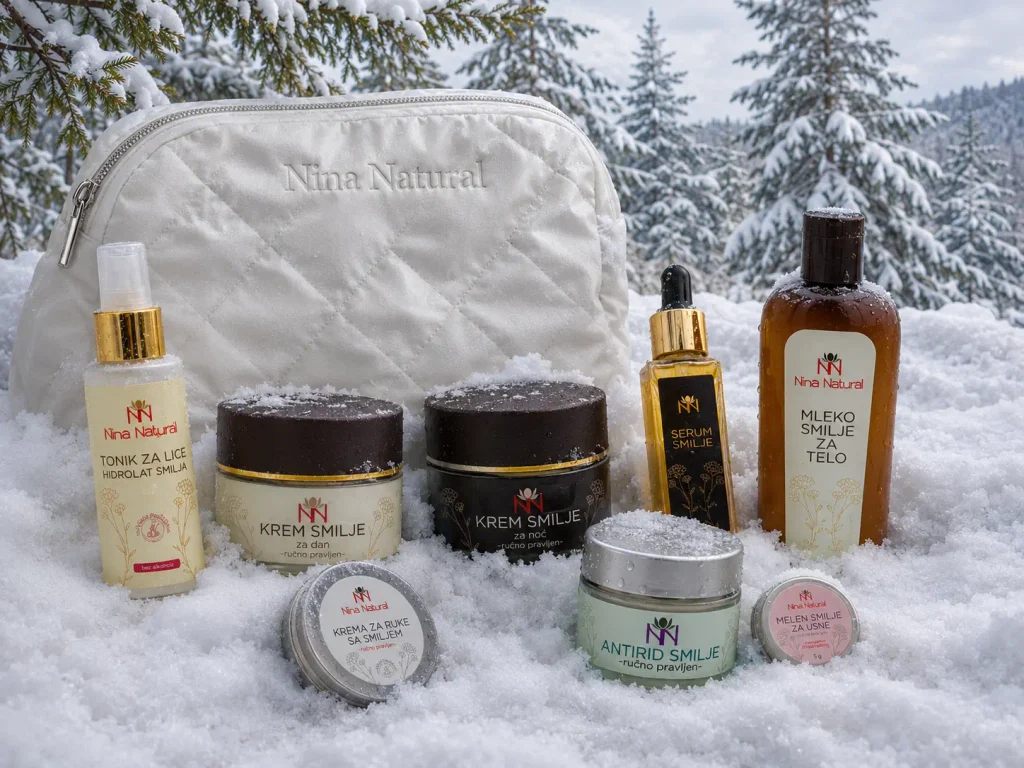
- Toner. Spray Immortelle Toner over your face, neck, and upper chest and let your skin absorb it, or apply it with a cotton pad. After washing, the toner replenishes moisture and soothes your skin. It’s alcohol-free, so it won’t dry your skin out.
- Serum, if you use one. Apply it after toner to your face, neck, and upper chest, avoiding the eye area.
- Eye cream. The skin around your eyes is the thinnest on your face and the first to react to wind. When you’re skiing, you’re also squinting against the sun and snow. Apply a small amount of eye cream with your index finger and gently pat it in, without pulling or rubbing the skin.
- Face cream. Immortelle Day Cream contains petrolatum, lanolin, and plant oils, which leave a thin protective layer on the skin to help shield it from wind and cold. Apply it to your face, neck, and upper chest using gentle circular motions.
- Sunscreen—always as the final step. Once your skin has absorbed the toner, serum, and creams and no longer feels tacky, apply a broad-spectrum sunscreen with a high SPF. Nina Natural creams do not currently contain SPF and do not provide sun protection, so don’t skip this step, even when it’s cloudy.
When it’s especially cold. If your skin is dry and the forecast calls for temperatures well below freezing or windy conditions, use Immortelle Night Cream instead of day cream in step 5. It’s richer and thicker, so it will do a better job of keeping your skin from drying out. Apply a slightly thinner layer than you would at night. Your skin will need a little more time to absorb this cream, so you’ll need to wait a little longer before applying sunscreen. For everyday care outside of a winter vacation, we rarely recommend using night cream during the day, but on the slopes, it’s fine.
What about makeup? You don’t need heavy makeup on the slopes—you’ll be wearing a helmet and goggles for most of the day anyway. If you’d still like a little color, your day cream can serve as a base for tinted sunscreen. Waterproof mascara is a good idea because the wind can make your eyes water.
Sunscreen on the Snow: The Spots We Tend to Miss
At the beach, no one would head out without sunscreen, yet we do it in the mountains all the time. It’s cold, our jackets are zipped up to our chins, and our hats cover our foreheads, so it feels like there’s nowhere for the sun to reach. There is—and it’s your face, the one part of your body exposed to all the elements.
For skiing, choose a broad-spectrum SPF 50 sunscreen. Apply enough: a barely noticeable thin layer provides much less protection than the level stated on the package. Apply it to your entire face, not just your cheeks and nose.
These are the areas almost all of us forget—and by evening, they remind us that we did:
- Your ears, especially if you ski without a hat or your helmet doesn’t cover your entire ear.
- Under your chin and nose, because sunlight reflected off the snow reaches you from below, too.
- Along the edges of your goggles, where that familiar outline appears.
- Your neck, when you take off your scarf during a break or while sitting on a sunny terrace.
- Your eyelids and the skin just below your eyes, applying carefully to keep sunscreen out of your eyes.
And your lips. They don’t have their own protection, so use a lip balm with SPF on the slopes.
During the Day on the Slopes
Your morning sunscreen application won’t last until the lifts close. Sweat, wind, a scarf pulled over your face, tissues used to wipe your nose, and gloves touching your face without you realizing it all wear it away. That’s why you should reapply about every two hours, and always after your lunch break.
Keep a small sunscreen and SPF lip balm in an inside jacket pocket so you don’t have to dig through your backpack for them. The easiest time to reapply is in a gondola cabin or at a table during a break, when you’ve already taken your gloves off. Before applying, gently blot away sweat or moisture with a tissue, then apply a fresh layer of sunscreen.
Don’t apply another layer of face cream over your sunscreen during the day. We know it’s tempting when your skin feels tight, but rubbing cream over your face with your hands also disrupts the protective layer underneath. If you know your skin dries out quickly, it’s better to use a richer cream in the morning and only reapply sunscreen during the day.
Lips. The skin on your lips is thin and doesn’t produce its own oils, so your lips are the first to crack and especially prone to sunburn in the mountains. Use a lip balm with SPF on the slopes and reapply it frequently, especially after eating and drinking. And as hard as it may be, don’t lick your lips in the cold: saliva evaporates quickly, leaving them even drier.
Nose and cheeks. If your nose is running—and almost everyone’s does in the mountains—use soft tissues and dab rather than rub. After several hours in the wind, the skin around your nose is already sensitive, and rubbing is the quickest route to red, chapped skin around your nostrils.
Your Evening Skin Care Routine After Skiing
After a full day on the slopes, we know you’d rather just collapse into bed. But your evening routine is the part that does the most for your skin, giving it the entire night to replenish what it has lost. And this skin care routine takes no more than five minutes.
- Wash your face. First, remove sunscreen, sweat, and everything else that has built up during the day. Sunscreens are formulated to stay on your skin, so don’t skip cleansing. Again, use lukewarm water.
- Toner. Spray on Immortelle Toner and wait for your skin to absorb it. After a day in the wind, your skin will appreciate it even more than it did in the morning.
- Serum, if you use one. Apply it to your face, neck, and upper chest, avoiding the eye area.
- Eye cream. Just as in the morning, use a small amount of eye cream and gently pat it in.
- Night cream. Apply Immortelle Night Cream in a thicker layer than your day cream, covering your face, neck, and upper chest, working upward from your chest. Leave it on overnight. It’s richer than the day cream and creates a layer on your skin that helps retain moisture throughout the night—exactly what you need in an overheated room.
What about active ingredients? If you normally use retinol, acids, or exfoliating products, reduce their use or take a break from them during your ski trip. Wind and sun have already irritated your skin, and these products make it even more sensitive, including to the sun. Add them back into your routine once you’re home and your skin has settled down.
Saunas and hot tubs. Nothing feels better after skiing, but hot water and hot air dry your skin out even more. You don’t have to give up your spa time: just don’t stay too long, take a lukewarm shower afterward, and do your evening skin care routine right away.
Hands, Lips, and Body Care Before Bed
Your face gets all the attention, but your hands have been through the same thing all day: gloves on, then exposure to freezing air while you adjust your bindings or take a photo on your phone, then gloves back on again. By evening, they’re dry and rough, and the skin around your knuckles can even crack. Before bed, apply hand cream and let it work overnight.
Apply lip balm to your lips. During the day, use an SPF lip balm instead, because this balm doesn’t contain sun protection. Nighttime is the right time for it, when your lips won’t be exposed to sun and wind and will have time to recover.
If the skin on your body also feels tight after showering, especially on your legs and forearms, apply body lotion while your skin is still slightly damp. This helps it spread more easily and retain moisture better.
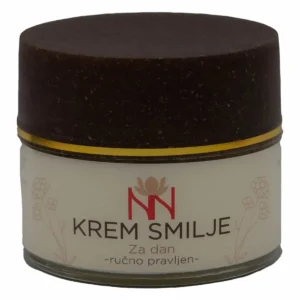
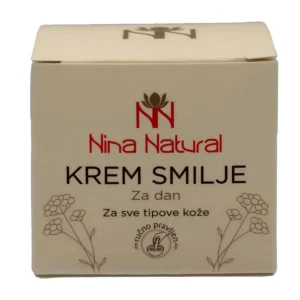
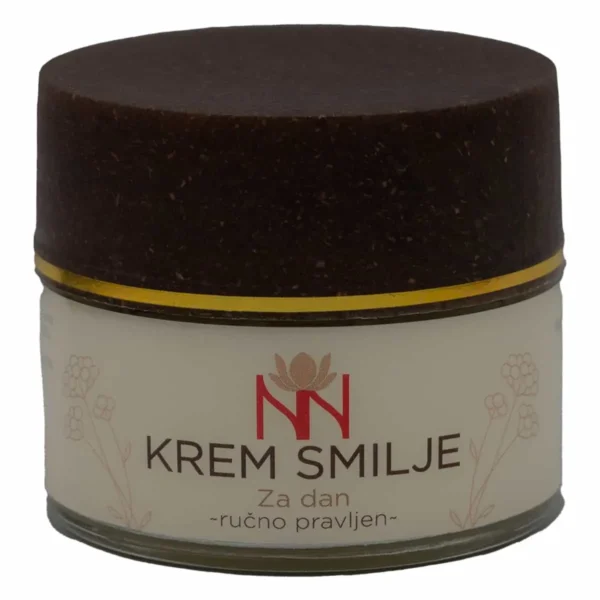
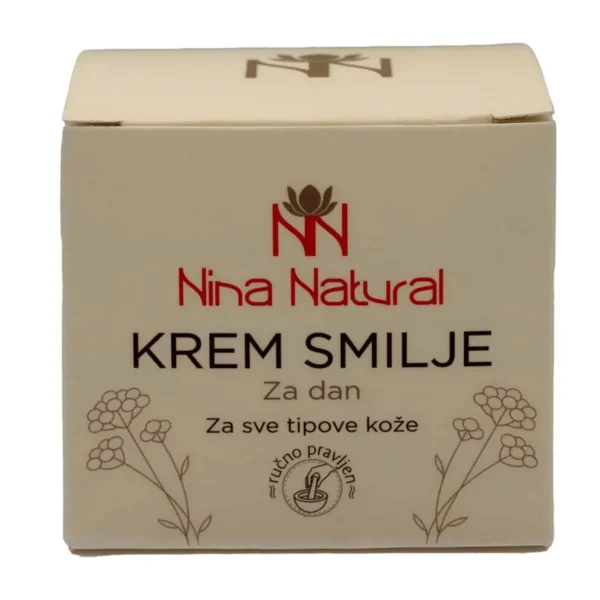
Helichrysum Day Cream
- A blend of Helichrysum, almond, olive, wheat germ, calendula, and carrot oils
- Rich and hydrating cream
- Effective protection and care for all skin types
- Prevents and reduces signs of aging
- Suitable as a makeup base
- Natural aromas for a stimulating effect
- Handcrafted in small batches
Mistakes Almost Everyone Makes in the Mountains
Don’t worry if you recognize yourself in any of these mistakes. We’ve made them, too.
“It’s cloudy, so I don’t need sunscreen.” Clouds don’t block as much sunlight as you might think, and snow reflects it even on cloudy days. Many of us get our worst sunburns when it’s foggy or lightly snowing.
“My day cream protects me.” It protects against wind and dryness, but not against the sun unless the package clearly states an SPF. Our face creams don’t contain SPF, so sunscreen always goes on top.
“I have oily skin, so I don’t need moisturizer in the mountains.” You do—you just need a thinner layer. Oily skin loses moisture in the cold just like any other skin type.
“I put on cream and head straight outside.” Damp skin dries out faster in freezing temperatures. Give your skin time to absorb your cream, then apply sunscreen. Once that has absorbed, too, you’re ready to head out.
“I’m too tired for skin care in the evening.” We understand, but washing your face and applying night cream only take a couple of minutes, and your skin will feel less tight when you wake up the next morning.
“I’ll try a new cream on my ski trip.” If your skin reacts, you won’t know whether the cream or the wind is to blame. Try new products at home at least a week before your trip.
What to Pack for a Trip to the Mountains
If you want everything in one place without worrying about what you’ve forgotten, the sets are organized around different parts of the day.
For the morning, there’s the Rise and Shine set: toner, eye cream, and day cream—everything that goes on before sunscreen. If you don’t use eye cream or just want the basics, the Smilje Glow Daily set includes toner and day cream.
For the evening, there’s the Sweet Dreams set: toner, eye cream, and night cream—exactly what your skin needs after a day on the slopes. And if your skin is dry, you can also use the night cream from this set in the morning on the coldest days.
If you’re packing for both morning and evening, combining the Smilje Glow Daily and Sweet Dreams sets gives you the least overlap: you get one eye cream and two toners.
Add a facial sunscreen, an SPF lip balm, regular lip balm, and hand cream for the evening to your toiletry bag, too.
Flying? All the products in the sets come in containers of 100 mL (3.4 fl oz) or less, so they can go in your carry-on in a clear liquids bag. Just check your airline’s and airports’ rules before you travel.