How to Make Your Tan Last Longer with Proper Skin Care

You’ve come back from the beach, your skin has that warm, sun-kissed tone that somehow makes even a white T-shirt look better, and then just a few days later you start noticing that the color is slowly fading. The first question is usually: how can I make it last as long as possible?
The good news is that the way you care for your skin after sun exposure can genuinely affect how even, smooth, and fresh your tan looks as it naturally fades. The bad news, if we can call it that, is that there is no cream, oil, or home remedy that can permanently “lock in” a tan.
To understand what we can do, we first need to understand why the color fades in the first place.
Why Does a Tan Fade?
When skin is exposed to UV radiation, pigmentation increases. Melanocytes produce melanin, and that pigment is transferred to surrounding keratinocytes in the epidermis. This is part of the skin’s response to UV exposure. Scientific reviews of the tanning process show that UV-induced pigmentation is associated with the response to DNA damage, which is why a tan should not be seen as proof that the skin is “healthier” or better protected. You can read more about the process in this review of research on UV radiation and skin pigmentation.
The melanin we see as a tan does not stay in the skin forever. Keratinocytes gradually move toward the surface of the epidermis, while the outermost cells are naturally shed through a process called desquamation. Pigmentation research shows that turnover of the stratum corneum also plays a role in removing melanin pigment from the epidermis.
That is why it is completely normal for your tan to fade over time. Skin care cannot stop this biological process, but it can affect something else: keeping your skin from becoming so dry, rough, and flaky that your tan starts looking uneven much sooner.
If You Want Your Tan to Look Good for Longer, Start with Hydration
This is probably the most important step.
When skin becomes dry, its surface can feel rougher and become more prone to visible flaking. Moisturizers can increase the water content of the stratum corneum, reduce roughness, and improve the appearance of the skin’s surface. Clinical studies of moisturizers have also shown reductions in visible dryness and scaling with regular use.
Hydration even changes the way light passes through the surface layers of the skin. One study examining the optical effects of hydration found that hydrated skin scatters less light at the surface, becomes more translucent, and may visually appear smoother and slightly darker. In other words, moisturizer does not create additional melanin. Well-hydrated skin simply looks different. This study on the visual effects of skin hydration illustrates that well.
That is why, after a beach vacation, it is much more useful to think, “How can I keep my skin from becoming dry and flaky?” rather than, “Which cream will lock in my tan?”
For the body, Nina Natural Immortelle Body Lotion fits naturally into this type of routine. Its formula contains, among other ingredients, urea, petrolatum, dexpanthenol, sweet almond oil, and olive oil.
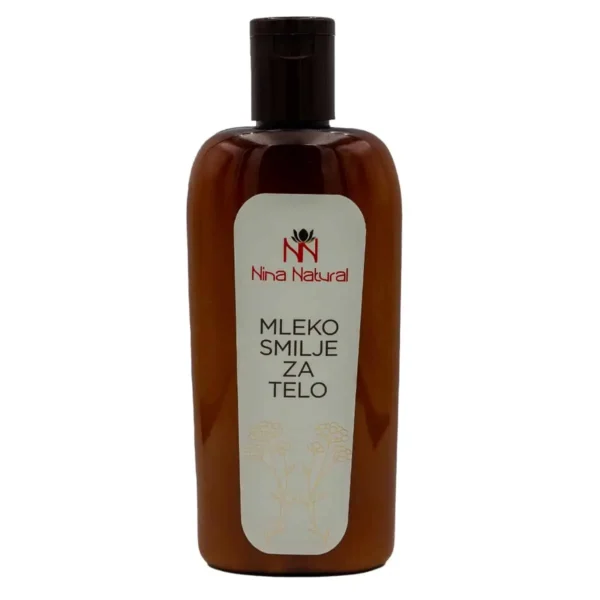
Helichrysum Body Lotion
- Contains Helichrysum flower extract, sweet almond oil, and olive oil
- Enriched with provitamin B5 and vitamin E
- Deeply hydrates, soothes, and regenerates the skin
- Suitable for all skin types, including sensitive skin
- Lightweight texture that absorbs quickly
- Handcrafted in small batches
Why are ingredients like these particularly useful? Urea is part of the skin’s natural moisturizing system and, at lower concentrations, is used as a humectant and moisturizing ingredient. Reviews of clinical research associate urea-containing products with improved hydration and skin barrier function. Dexpanthenol has also been studied in controlled trials, where products containing it improved stratum corneum hydration and markers of barrier function. Petrolatum, on the other hand, acts as an occlusive and can help reduce transepidermal water loss.
That does not mean the lotion will “stop” melanin from fading. It means that it makes sense as part of a routine designed to keep tanned skin soft, hydrated, and free from pronounced flaking.
The best time to apply moisturizer is right after showering, while the skin is still slightly damp. Dermatological recommendations also advise applying a moisturizer soon after bathing to help keep water in the skin’s surface layer for longer.
If your knees, elbows, or heels are especially dry after summer, you can also read our guide on how to care for dry skin on your elbows, knees, and heels.
Don’t Try to “Preserve Your Tan” by Avoiding Showers
This is one of those myths that tends to resurface every summer.
Water does not wash melanin out of your skin.
However, the way we shower can affect the skin barrier. A study on the effects of water temperature found that exposure to very hot water increased transepidermal water loss and disrupted barrier function more than cooler water. Another study showed that higher water temperatures during washing increased skin irritation.
So there is no need to take cold showers just to protect your tan. A much more reasonable choice is comfortably lukewarm water and avoiding very long, hot showers.
The cleanser you use also matters. Harsh surfactants can interact with proteins and lipids in the stratum corneum and contribute to tightness, dryness, and barrier disruption. There is a substantial amount of dermatological research on this topic, including this review of the effects of cleansers on the skin barrier.
So you do not need to stop showering after a beach vacation. You simply need to be gentler with your skin.
Does Exfoliation Remove a Tan?
Partly, but the explanation is not as simple as “exfoliation removes the color.”
Melanin pigment is found in the epidermis, and pigment removal is associated with the natural movement and shedding of epidermal cells. Experimental data show that accelerated turnover and desquamation of the stratum corneum may contribute to faster removal of epidermal melanin.
That means the period immediately after returning from a beach vacation is probably not the best time to combine strong physical exfoliation, acids, and intense scrubbing several times a week just because you want your skin to feel “even smoother.”
If your goal is to keep your existing color looking even for as long as possible, reduce unnecessary exfoliation and pay attention to how your skin is responding. If it is dry, sensitive, or starting to flake, hydration should be the priority.
That does not mean you need to remove exfoliation from your routine forever. Once your skin returns to normal, you can gradually reintroduce it according to your skin type. We explain this in more detail in our guide on what exfoliation is and how to use it properly.
More importantly, if you have a sunburn, redness, or painful, irritated skin, exfoliation is not the way to “fix” the surface. That skin needs time to recover, and more serious sunburns may require advice from a healthcare professional.
What About the Face, Which We Cleanse and Apply Makeup to Every Day?
The face is a little more complicated than the body because throughout the day we often wear moisturizer, SPF, foundation, concealer, bronzer, and other makeup. All of it needs to be removed in the evening.
But there is a major difference between thorough cleansing and aggressive cleansing.
Surfactants that are too harsh can strip lipids from the stratum corneum and disrupt the skin barrier. That is why a cleanser should remove makeup, SPF, sebum, and impurities without requiring you to rub your face until it turns red.
There is even clinical evidence showing that intense rubbing during makeup removal is associated with increased dryness and impaired barrier function in people with sensitive skin.
In other words, makeup itself will not “remove” the tan from your face. A much bigger problem can be a routine in which we scrub the skin aggressively every evening in order to take it off.
After gentle cleansing, you can, if it works well for your skin, use Nina Natural Immortelle Facial Toner, formulated with immortelle hydrosol, rose water, and panthenol. The important thing is not to treat toner as a replacement for properly removing heavier makeup and water-resistant SPF. Its place in the routine is more as a step after cleansing and before serum or moisturizer.
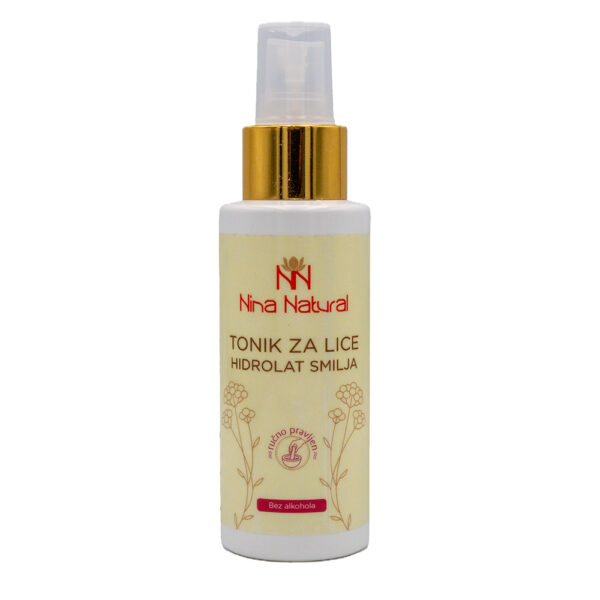
Helichrysum Facial Cleansing Tonic
- Contains Helichrysum hydrolat, rose water, and panthenol
- Alcohol free formulation
- Gently cleanses, refreshes, and revitalizes the skin
- Boosts microcirculation and deeply hydrates the facial skin
- Soothes and rejuvenates the skin
- Removes makeup residues and limescale that accumulates in pores due to hard water
- Tightens pores and prepares the skin for further care
- Convenient spray bottle for easy application
- Handcrafted in small batches
If you want to understand this step of your routine in more detail, read our guide on what facial toner does and how to use it.
How Should You Use Makeup If You Want to Highlight Your Tan?
The rule “more is better” definitely does not apply here.
If tanned skin is well hydrated, you may need much less foundation than usual. Hydration reduces surface roughness and changes the way light interacts with the skin, which can make it look smoother and fresher.
That is why the first makeup step is actually good skin preparation.
If your skin responds well to it, Nina Natural Immortelle Day Cream can be used as a moisturizing base before makeup. The formula contains petrolatum and plant oils, and the product is also intended for use as a makeup base. Appropriate sun protection should still be applied after your moisturizing skin care.
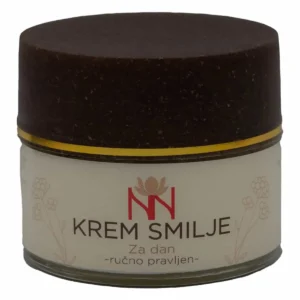
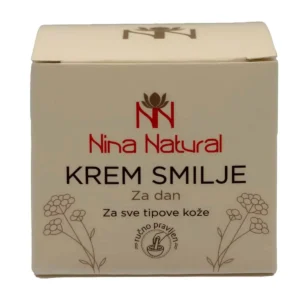
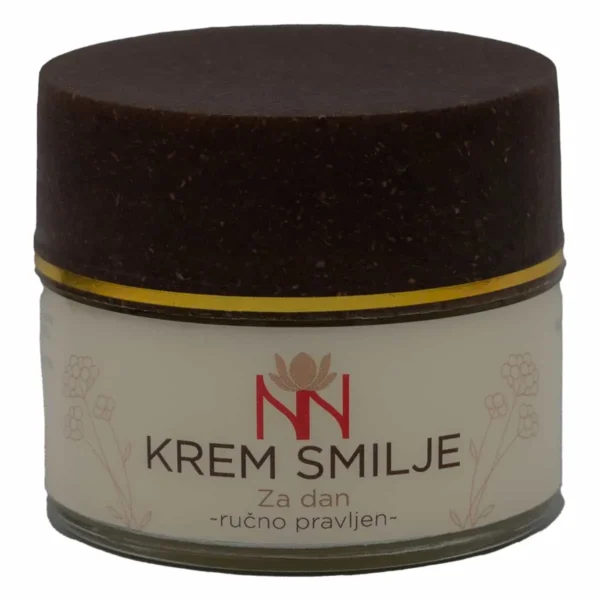
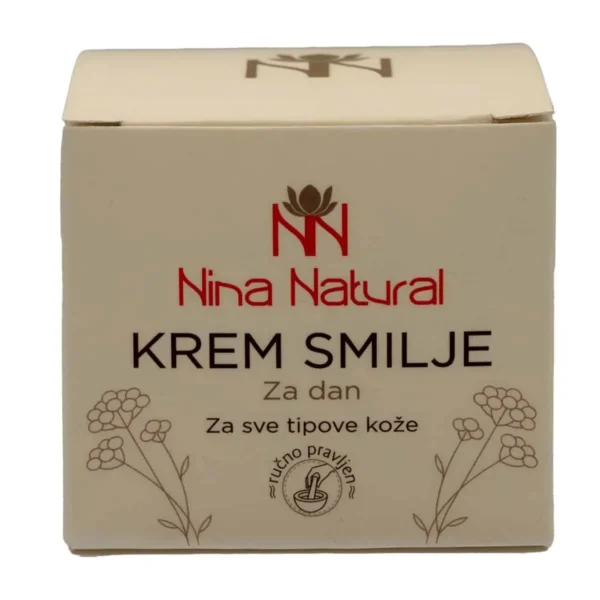
Helichrysum Day Cream
- A blend of Helichrysum, almond, olive, wheat germ, calendula, and carrot oils
- Rich and hydrating cream
- Effective protection and care for all skin types
- Prevents and reduces signs of aging
- Suitable as a makeup base
- Natural aromas for a stimulating effect
- Handcrafted in small batches
When it comes to makeup itself, there is no rule saying that you need to use a particular type of foundation to “preserve” melanin. If your skin is drier than usual after summer, a more hydrating skin tint or liquid foundation may simply look better on it than a heavy layer of mattifying powder. Research has also shown that certain liquid foundations containing hygroscopic moisturizing ingredients can measurably increase surface skin hydration.
Bronzer is an even simpler solution. Instead of trying to bring the color back through additional sun exposure, a cream or powder bronzer can visually emphasize the cheekbones, forehead, and other areas of the face where you want a warmer tone. The FDA itself describes bronzers as cosmetics, including tinted moisturizers and powders, that create a temporary tanned appearance without the need for additional UV exposure.
If you want to prepare your face more thoroughly before applying foundation, you can also read our article on how to choose a day cream that can work well as a makeup primer.
The most important thing, however, is what you do in the evening: remove your makeup thoroughly but without harsh rubbing, and then restore hydration to your skin.
What If Your Tan Starts Fading Quickly Anyway?
Hey, that’s completely okay! 🙂
It may sound like strange advice in an article about making a tan last longer, but at some point, it is the only healthy answer.
Do not try to “top up” your color by sunbathing every day without protection. The UV radiation that causes the skin to darken also causes cellular and DNA damage, and cumulative exposure is associated with photoaging and an increased risk of skin cancer.
A tan also does not mean that you can now skip sun protection. Research shows that a UV-induced tan provides only limited protection and that the UV radiation responsible for creating it has already placed stress on the skin.
If you want a bronzed look even after your natural tan has faded, cosmetic bronzer is the simplest option. There are also self-tanning products containing DHA that add color without UV tanning. A recent systematic review describes them as a UV-free alternative, while emphasizing that this type of color does not replace sun protection.
A Simple Routine for Healthy-Looking Tanned Skin
You do not need ten new products.
Shower with lukewarm rather than very hot water. Use gentle cleansers. Do not rub your body aggressively with a towel. Apply a moisturizing lotion or cream while your skin is still slightly damp. Temporarily reduce intense exfoliation if your skin is dry or already starting to flake. In the evening, cleanse your face thoroughly enough to remove makeup and SPF, but without scrubbing, and then follow with moisturizing skin care.
Continue using sun protection during the day.
If you want to visually enhance your tan even more, use makeup, bronzer, or a lightweight tinted base instead of getting more unprotected sun exposure.
As part of this routine, Nina Natural Immortelle Body Lotion can be a practical option for daily body care, while Immortelle Toner and, if it suits your skin type, Immortelle Day Cream can fit into your facial routine as a moisturizing base before makeup.
If you have just returned from vacation and are trying to get your routine back to normal, you may also find our guide to the five skin care products that actually make sense to bring on a beach vacation.
A Tan Is Not Something You Need to “Lock In,” but a Phase Your Skin Naturally Goes Through
Your tan will fade over time because your skin naturally renews itself. That is not a sign that you have done something wrong, nor is it a process that needs to be stopped.
What you can influence is the condition of your skin while that happens.
Hydrated, smooth skin without pronounced flaking will help the color look more even and well cared for. A gentle cleansing routine will help you avoid unnecessarily disrupting the skin barrier. Well-chosen makeup can further enhance the warmth of your complexion. And regular sun protection helps ensure that the desire for a few more days of tan does not become a reason for additional UV damage.
So the goal is not to stop the skin’s natural renewal process.
The goal is to take good care of it while that renewal happens.