5 Skincare Products You Need to Pack for a Beach Vacation

Packing skincare products for a beach vacation often starts with good intentions and ends with a toiletry bag that barely closes. We pack several serums, two masks, an exfoliant, day and night creams, toners, eye creams, and body lotions. We bring products we use every day, along with those we have been saving for a “special occasion.”
Then we arrive at our summertime destination and never even open most of them.
Your skin does not need a more complicated routine while you are on vacation. It needs a routine that suits the conditions it is exposed to. Sun, sea salt, sweat, wind, air conditioning, more frequent cleansing, and changes in the water you use to shower and wash your face at a hotel can all affect the way your skin looks and feels.
That is why packing five carefully selected products is far more useful than bringing your entire bathroom shelf. You need a cleanser, a toner to hydrate and care for your skin after a day in the sun, a moisturizer, suitable nighttime skincare, and, of course, a sunscreen made specifically for the face.
Here is how to choose each one.
1. A Gentle Cleanser That Actually Removes Sunscreen
Dust and sweat are not the only things that collect on your face during the day. Your skin is also covered with sebum, sea salt, dirt, and one or more layers of sunscreen.
This is why simply rinsing your face with water after returning from the beach is not enough. You need a cleanser that removes everything that has built up on your skin without leaving it dry, tight, or uncomfortable.
That squeaky-clean feeling after washing your face is not proof that your skin has been properly cleansed. It often means that the product is too harsh or that you are washing your face too often. Aggressive rubbing and harsh products can further irritate skin that has already spent several hours exposed to heat, wind, and sunlight.
Dermatologists recommend cleansing the face gently with a mild product, without scrubbing the skin with sponges, brushes, or rough towels. Washing your face up to twice a day, as well as after heavy sweating, is usually enough.
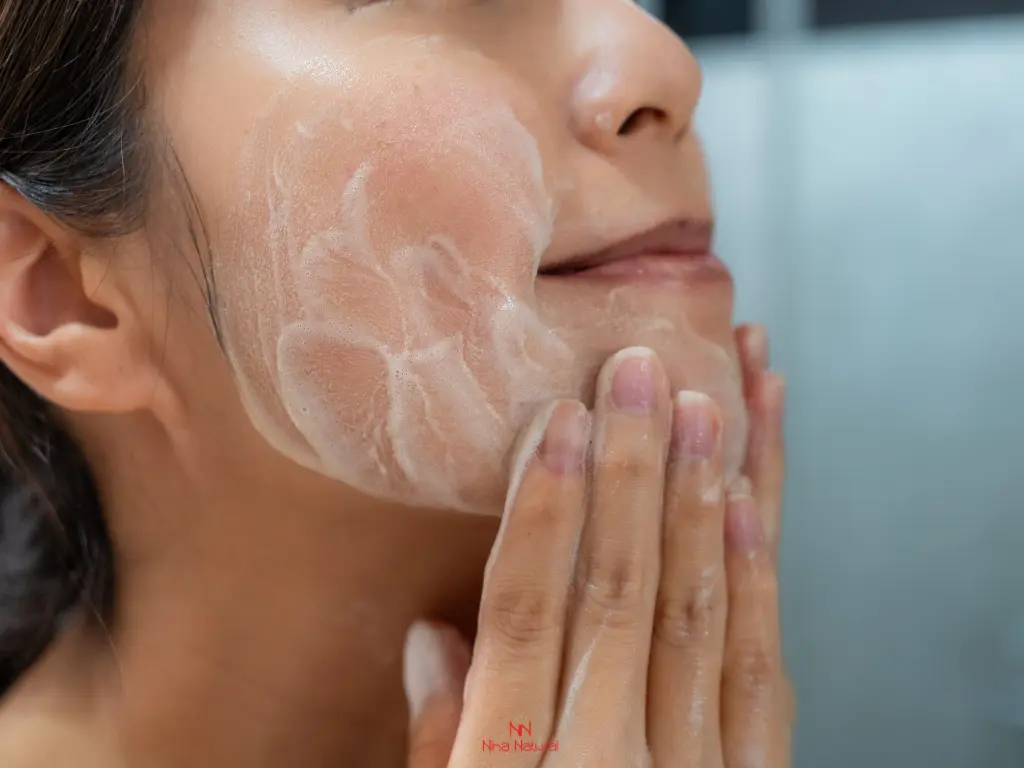
The texture of your cleanser should suit your skin type. Oily and combination skin often responds well to a gentle gel cleanser that rinses away easily. Dry and sensitive skin may feel more comfortable with a cream cleanser or a gentle cleansing emulsion without strong fragrances.
Most importantly, the cleanser needs to be able to remove the sunscreen you use. Some water-resistant sunscreens leave a more persistent layer on the skin, which means your usual gentle cleanser may not be enough. Test your cleanser and sunscreen together before your trip. This way, you will not discover only after arriving at the beach that your face still feels greasy or sticky even after cleansing.
When you return from the beach, wash your face with lukewarm rather than hot water. Apply the cleanser with your fingertips, gently spread it across your skin, and rinse thoroughly. Pat your face dry with a clean, soft towel.
This step is more important than any serum you may apply afterward. If sweat, salt, and layers of sunscreen remain on your skin, even the most expensive cream will not make your evening routine feel comfortable. Instead of returning home with only a sun-kissed complexion, you may also end up dealing with breakouts.
2. A Toner That Refreshes the Skin and Prepares It for Moisturizer
Facial toner can be a useful part of a summer skincare routine, but only when you understand what it can and cannot do.
Its purpose is not to replace your cleanser or remove several layers of sunscreen on its own. Toner is used after cleansing to refresh the skin and prepare it for moisturizer or serum.
Nina Natural Immortelle Toner, which comes in a convenient 100 ml spray bottle, is a practical option for a beach vacation. It contains immortelle hydrosol, rose water, and panthenol, and it is formulated without alcohol.

After spending time in the sun and washing your face, your skin may feel tight even if it is not particularly dry. In that situation, toner provides a pleasant transition between cleansing and applying moisturizer. Panthenol is commonly used in cosmetic formulas for its hydrating and soothing properties, while the water-based toner provides a refreshing feeling without leaving a heavy layer on the face.
For the same reason, immortelle toner can help remove small traces of makeup or impurities that the cleanser may not have completely removed. It may also be helpful if hard water at your hotel leaves your skin feeling uncomfortable.
However, toner should not be used as an attempt to “fix” a face that has not been cleansed properly. If a cotton pad still picks up a large amount of foundation or tinted sunscreen after you apply toner, you need a more effective evening cleansing method.
The simplest way to use toner is to spray it directly onto your face after cleansing or apply it with a cotton pad. You do not need to wait for your skin to dry completely. Once the toner has partially absorbed, apply your moisturizer.
A spray bottle is convenient for travel, but toner should not be treated as a substitute for moisturizer or sun protection. Spraying toner over sunscreen does not provide meaningful hydration.
The best place for toner in both your morning and evening routine is after cleansing and before applying moisturizer or facial sunscreen.
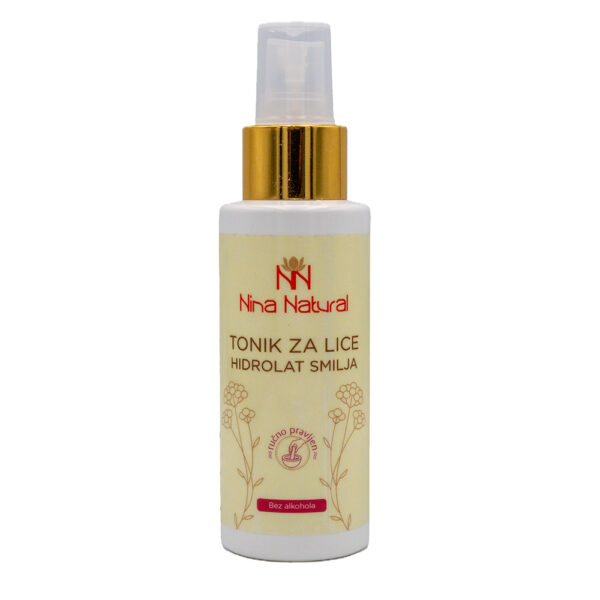
Helichrysum Facial Cleansing Tonic
- Contains Helichrysum hydrolat, rose water, and panthenol
- Alcohol free formulation
- Gently cleanses, refreshes, and revitalizes the skin
- Boosts microcirculation and deeply hydrates the facial skin
- Soothes and rejuvenates the skin
- Removes makeup residues and limescale that accumulates in pores due to hard water
- Tightens pores and prepares the skin for further care
- Convenient spray bottle for easy application
- Handcrafted in small batches
3. A Moisturizer That Suits Your Skin
One of the most common summer skincare mistakes is removing moisturizer from the routine completely just because the skin is sweating or looks shiny.
Shine does not mean that your skin contains enough water. Oily skin produces more sebum, but it can still be dehydrated. When that happens, you may notice tightness, discomfort after cleansing, more visible fine lines, and even increased oiliness in certain areas.
The moisturizer you use during a beach vacation does not need to be thick or greasy to be effective. What matters is that it suits your skin type.
If you have oily or combination skin, you will probably feel more comfortable using a lightweight gel, fluid, or gel cream. If you are prone to blackheads and acne, look for the term “non-comedogenic” on the packaging or check the ingredient list to make sure the product is unlikely to clog your pores.
Normal skin often responds well to a lightweight lotion or a traditional moisturizer. Dry skin may need a richer texture, especially if you spend a lot of time in air-conditioned rooms.
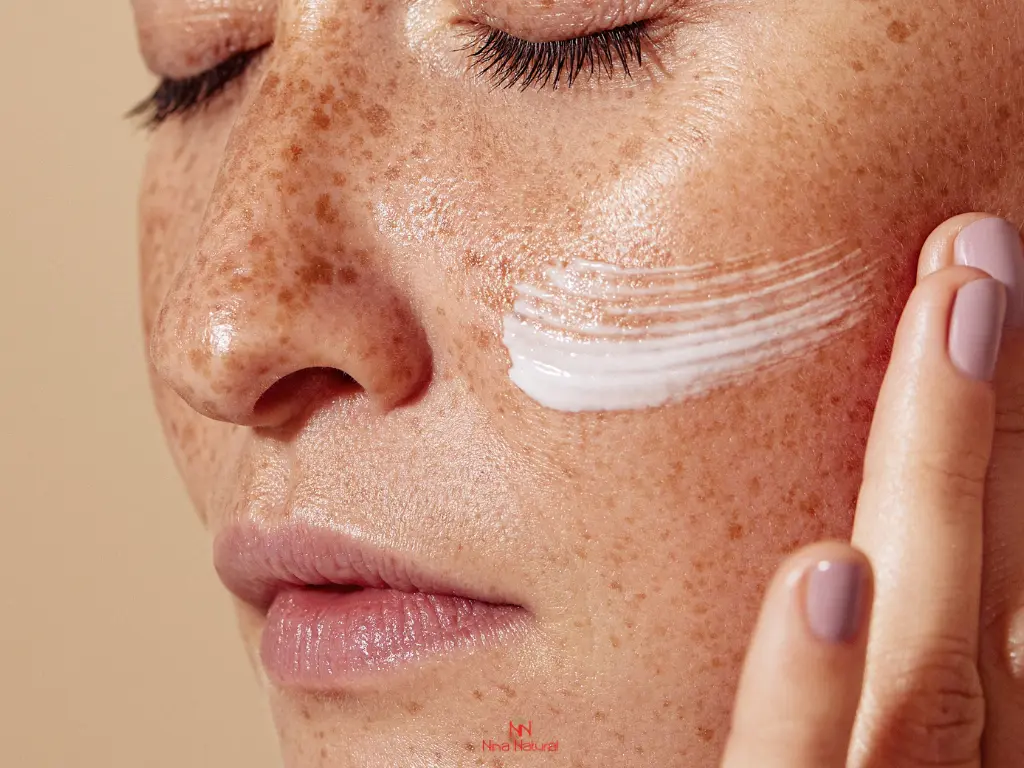
Dermatologists emphasize that moisturizing is important even for oily skin. Applying a moisturizer after cleansing helps retain water in the skin. Lightweight textures are often recommended for hot and humid climates, while traditional creams may be more suitable for dry and very dry skin.
A good summer moisturizer may contain ingredients that hydrate the skin and support its protective barrier. These can include glycerin, panthenol, hyaluronic acid, ceramides, squalane, or other gentle emollients.
However, you should not choose a product solely because one popular ingredient is highlighted on the front of the packaging. How the complete formula works with your skin is far more important.
The moisturizer you pack should also work well underneath your sunscreen. If the products pill, form small clumps, or slide around on your face, you will not enjoy applying them every morning. Test the combination before your trip.
You may not need a separate daytime moisturizer every morning while you are at the beach. If your sunscreen is moisturizing enough and leaves your skin feeling comfortable, you can skip the moisturizer. If your skin feels tight, apply a thin layer of moisturizer, allow it to absorb, and then apply your sunscreen.
The goal is not to complete as many steps as possible. The goal is to give your skin what it needs that day.
4. A Night Cream for Skin That Has Been Exposed to the Elements All Day
When you return from the beach in the evening, your skin does not need an aggressive treatment. It needs thorough cleansing and skincare that helps relieve dryness and tightness.
For richer evening care, you can pack Nina Natural Immortelle Night Face Cream.
This cream contains immortelle extract, olive oil, sunflower oil, almond oil, calendula oil, wheat germ oil, and carrot extract.
Its texture is richer than the lightweight gel creams typically used during the day. Plant oils help reduce water loss from the surface of the skin and help maintain a soft, comfortable feeling. This is how emollient products support dry skin. They create a layer that helps the skin retain moisture for longer.
However, this does not mean that a rich cream is the best choice for every skin type.
If your skin is normal or dry and responds well to richer formulas, the cream may feel comfortable after a day by the sea. Apply a small amount to your cleansed face, neck, and upper chest. There is no need to apply a thick, visible layer.
If you have very oily skin, frequent inflammatory acne, or are prone to closed comedones, this type of formula may feel too heavy when applied to your entire face. In that case, you can use it only on dry areas or choose a lighter night cream.
It is also important to understand the difference between dry skin and sunburned skin.
If your face is red, hot, painful, swollen, or burning, do not immediately apply a rich cream containing many different ingredients. First, cool the skin with lukewarm or slightly cool water. Then use a simple soothing product that does not cause stinging. For sunburn, dermatologists recommend cooling the skin and applying a moisturizer with soothing ingredients, such as aloe. They also advise avoiding further sun exposure until the redness has disappeared and seeking medical help if swelling or blisters develop.
It is important to remember that night cream is not a treatment for sunburn.
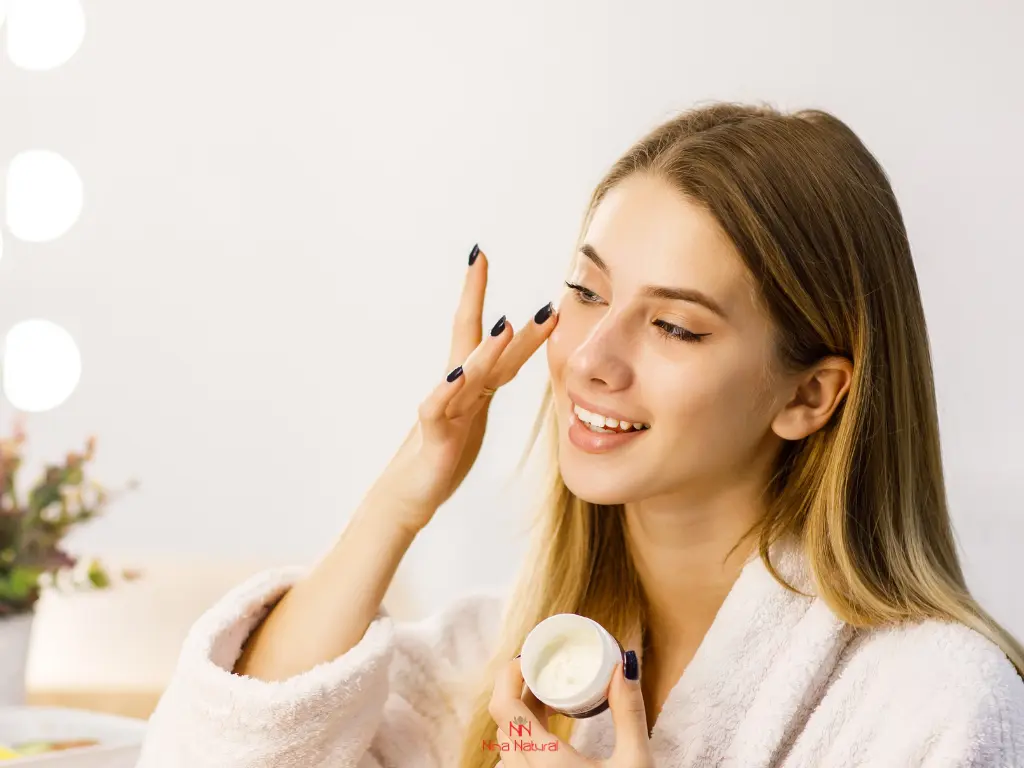
Do You Need to Pack a Separate Eye Cream?
You do not necessarily need to bring a separate product for the eye area.
While traveling, a gentle facial moisturizer can also be used around the eyes if you already apply it there without experiencing stinging, redness, or swelling. Ideally, the product should be free from fragrance, retinoids, strong acids, and other ingredients that tend to irritate your skin. This means you do not have to pack a sixth product simply because you are going on vacation.
5. A Facial Sunscreen That Suits Your Skin Type
Of all the products you pack for a beach vacation, sunscreen is the most important. However, not every sun protection product is a good choice for every skin type.
The best sunscreen is not necessarily the most expensive or popular one, or the product with the prettiest packaging. The best sunscreen is one that you can apply in a sufficient amount, that feels comfortable on your face, and that you will reapply regularly.
For the beach, choose a product that protects against both UVA and UVB rays, has an SPF of at least 30, and is labeled water-resistant. SPF 50 is a practical choice when you plan to spend longer periods at the beach. However, even a high SPF does not mean that one layer applied in the morning will protect you throughout the entire day.
Sunscreen should be reapplied approximately every two hours, as well as immediately after swimming or heavy sweating. Washing your face to cool down or drying it with a towel are also reasons to apply sunscreen again.
If you have oily skin, look for a lightweight fluid or gel cream labeled non-comedogenic. A heavy texture that leaves your face feeling sticky will probably bother you, which may cause you to apply less sunscreen than you need.
Dry skin may feel more comfortable with a cream-based sunscreen that contains hydrating and emollient ingredients. In this case, you may not need to apply a separate daytime moisturizer underneath it.
If you have sensitive skin, read the label carefully. Choose a product without strong fragrances or ingredients you already know cause stinging or irritation. Test a new sunscreen several days before your trip instead of using it for the first time immediately before going to the beach.
If you are prone to hyperpigmentation, sunscreen should not be your only form of protection. A wide-brimmed hat, sunglasses, shade, and avoiding the strongest midday sun are also important. Sunscreen should not be used as a reason to spend more time in direct sunlight. It is only one part of effective sun protection.
Apply it evenly across your entire face, including your ears, neck, upper chest, and the area along your hairline. Remember to reapply it every few hours, even when the packaging says the product is water-resistant.
How Should You Use These Five Products During a Beach Vacation?
In the morning, cleanse your face with a gentle cleanser or simply rinse it with water if using a cleanser in the morning does not feel comfortable. Apply toner, followed by a lightweight moisturizer if needed, and finish with sunscreen.
When you return from the beach, wash your face with your cleanser to remove sunscreen, sweat, and salt. After cleansing, apply toner and night cream.
That is the entire routine.
You do not need to pack every product you use at home. An exfoliant, a strong acid, or a new active serum will not help your skin simply because you packed it. There is one more important thing to remember: a beach vacation is not the ideal time to experiment with products you have never used before.
Pack Less, but Choose More Carefully
A well-planned summer skincare routine does not need to take up half of your suitcase.
You do not need to buy a completely new routine before your trip. Start by looking at the products you already own. Check how they work together and pack only those that genuinely suit your skin.
That is the whole secret.