Acne Marks in Summer: Why They Appear and How to Care for Your Skin
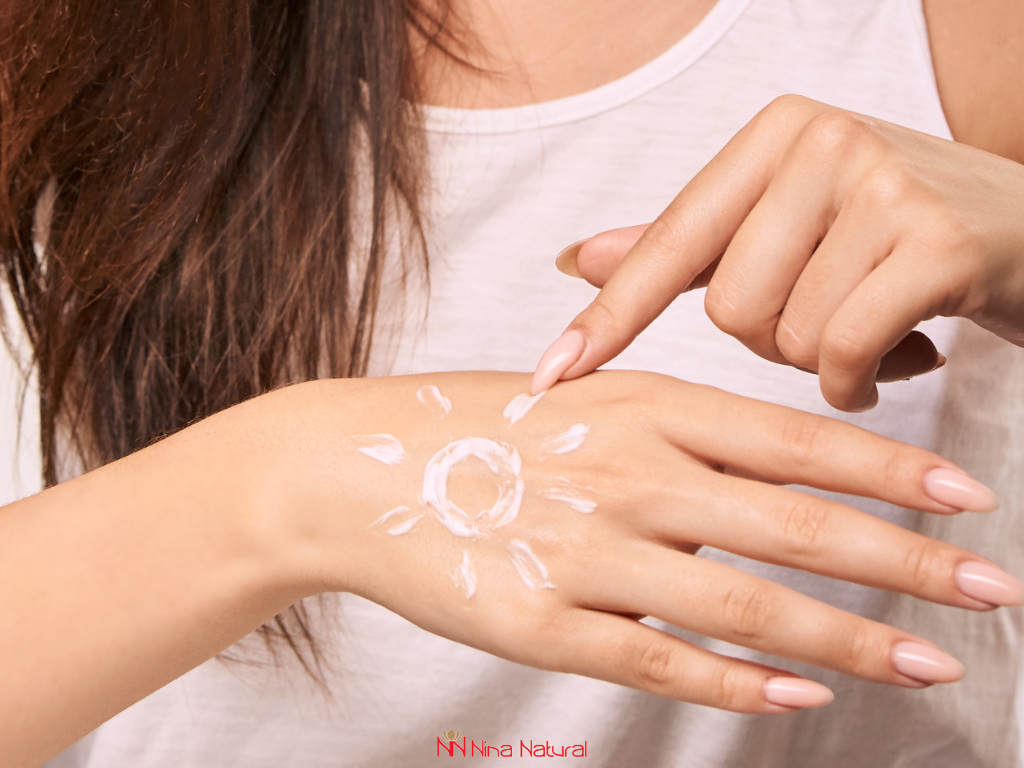
Acne marks often remain even after the pimple itself has healed, and dark post-acne marks can appear even more noticeable during the summer.
Sun exposure, heat, sweating, and the way you care for your skin can all affect how long these marks remain visible.
Not every mark left after a breakout is a scar. Sometimes it is temporary pigmentation or redness that simply needs more time to recover, especially if the skin is additionally exposed to UV radiation or irritation.
That’s exactly why attempts to “get rid of” these marks with aggressive products often don’t deliver the results you expect.
With a gentler approach, consistent skincare, and proper sun protection, the skin can gradually appear more even-toned.
Quick Overview: Post-Acne Marks
- Post-acne marks are not always scars – they are often the result of pigmentation or post-inflammatory redness.
- They may appear more noticeable during the summer because UV exposure can make existing marks darker and more visible.
- Popping pimples, aggressive exfoliation, and too much experimentation with skincare products can prolong the skin’s recovery.
- Gentle skincare and consistent sun protection are often more important than quick fixes.
- If marks do not fade for months, become more noticeable, or start to change in texture, it may not be just a temporary skin change.
Why Do Acne Marks Remain After a Breakout?
When a pimple goes away, the skin does not finish its work at that exact moment. Beneath the surface, the recovery process is still ongoing as the body works to resolve inflammation and repair damaged tissue. It is during this stage that changes in pigmentation can occur, which is why darker marks may remain where the breakout once was.
One of the ways the skin responds to inflammation is by increasing melanin production, the natural pigment that determines skin color. When melanin is produced in greater amounts in the area where a pimple was present, a visible mark may remain even after the inflammation has subsided. This phenomenon is called post-inflammatory hyperpigmentation, or the dark marks that remain after acne.
Larger and deeper inflammatory breakouts are more likely to leave noticeable marks than smaller, more superficial pimples, because the skin’s recovery process is more intensive. The risk can also be higher when the area is further irritated – by popping pimples, frequent touching, rubbing the skin with a towel, or using products that overly dry out the skin and disrupt the skin barrier.
In an effort to make a pimple go away as quickly as possible, many people turn to more aggressive approaches: using multiple products at once, strong exfoliants, frequent cleansing, or spot treatments that excessively dry out the skin. However, when the skin is already recovering from inflammation, additional irritation does not necessarily mean faster results. On the contrary, it can prolong recovery and increase the chances that the mark will remain visible longer than it otherwise would.
A dark mark left after a pimple is not the same as a scar. Pigmentation involves a change in skin color, while a scar involves a change in the skin’s structure. This means that the mark you see may not be permanent, but the skin often needs time, consistent care, and as little irritation as possible for the complexion to gradually become more even again.
Why Are Acne Marks More Noticeable in Summer?
If you feel that dark marks left after acne look more noticeable during the summer, that impression is not unfounded. Warmer months really can contribute to post-acne marks appearing darker, more persistent, and fading more slowly than during the rest of the year.
The main reason is UV exposure. When the skin is exposed to the sun, it naturally produces more melanin as part of its protective response.
Melanin helps protect the skin from UV damage, but at the same time, it can make existing pigmentation changes more noticeable. In other words, a mark that may have been barely visible can become darker and more noticeable after regular sun exposure.
That is why many people notice that post-acne marks remain visible longer during the summer, even when there is no longer an active breakout in that area.
However, the sun is not the only factor. During the summer, the skin is more frequently exposed to heat, sweat, and friction. Higher temperatures stimulate increased sweating, and sweat combined with sebum, dust, and frequent face touching can place additional stress on skin that is prone to breakouts.
If the face is frequently wiped with a towel, hands, or tissues, friction increases along with the risk of further irritation, especially in areas where the skin has already been inflamed.
For acne-prone skin, heat and additional external stressors can increase skin sensitivity and slow down the recovery process.
Another common summer misconception is the idea that the sun will “dry out” pimples and improve the appearance of the skin. While the skin may sometimes appear less oily or more visually even-toned in the short term, long-term UV exposure often has the opposite effect when it comes to acne and post-acne marks.
Pigmentation can become more persistent, and the skin may need more time to return to balance.
This brings us to one of the most important points: sun protection. When it comes to post-acne marks, SPF is not an extra step to use only occasionally when you remember. It is a fundamental part of your routine if you want to prevent further darkening of the marks and support a more even recovery process for the skin.
Acne Mark, Redness, or Scar: How to Tell the Difference
Not every change that remains after a pimple is the same, and that is exactly why different skin changes do not require the same approach. Sometimes it is pigmentation that gradually fades, sometimes redness that is part of the skin’s recovery process, and sometimes a change in texture that indicates a scar. When all of these are treated as the same thing, it becomes easy to choose skincare that does not match what the skin actually needs.
Quick Reference Guide
If you are not sure what you are actually seeing after a breakout, this quick breakdown can serve as a helpful first reference:
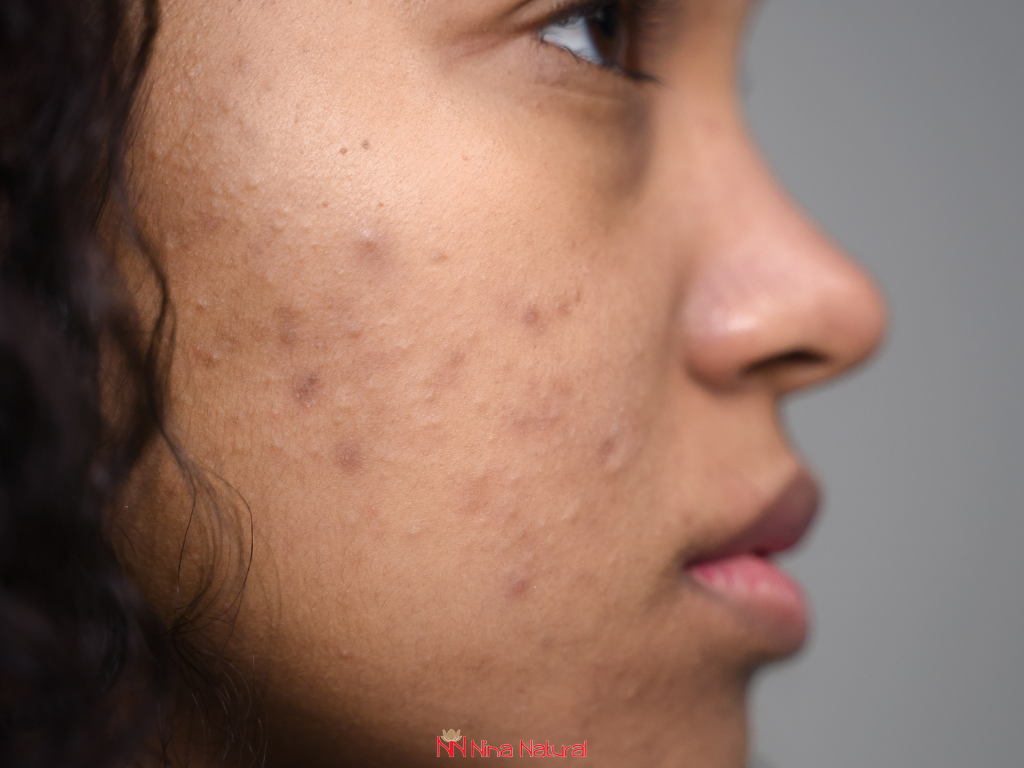
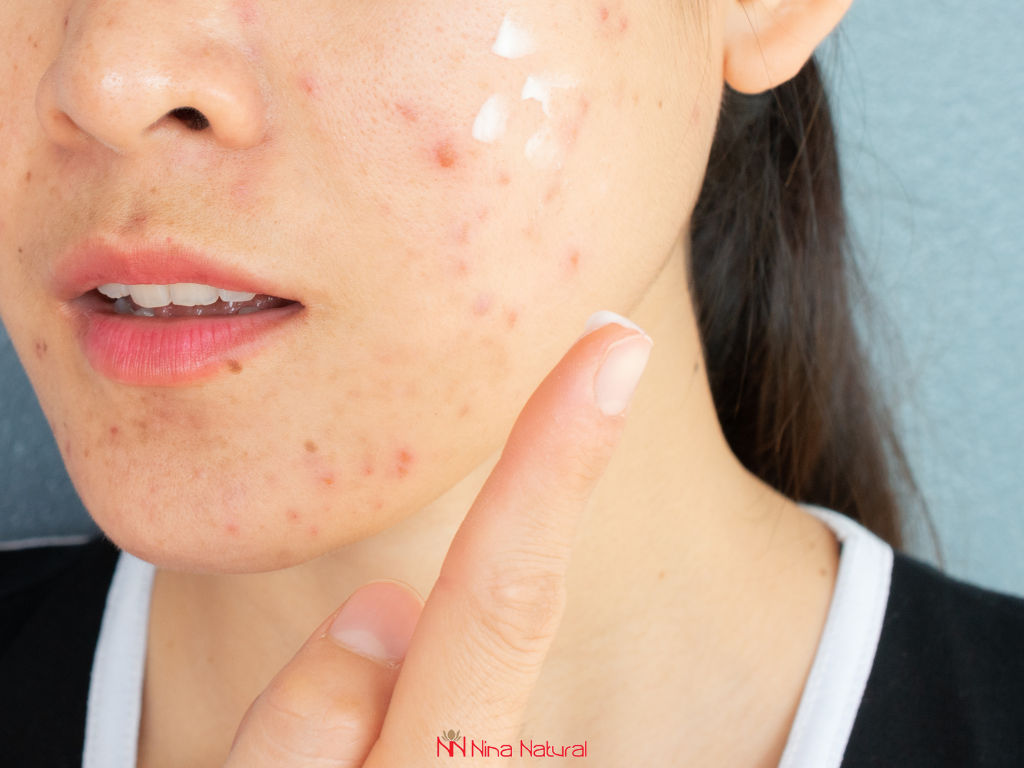
- If the mark is brown or darker than the surrounding skin, especially if it appears more noticeable after sun exposure, it is most likely a pigmentation mark left after inflammation.
- If the mark remains persistently pink or red, it is likely post-inflammatory redness.
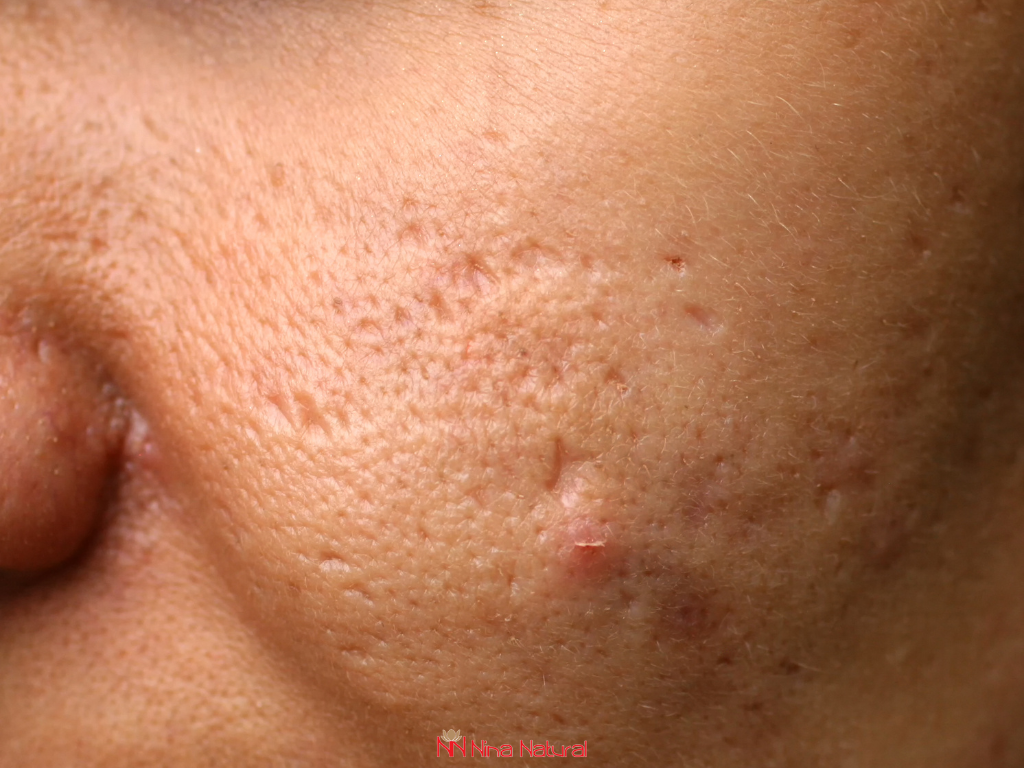
- If the change is not only visible but also feels like an indentation or uneven texture when you touch it, it is likely not just a mark, but a scar.
This is not a diagnosis, but a simple way to better understand what type of skin change you may be seeing.
Dark Marks After Acne
If the change appears brown, dark brown, or grayish-brown, and the skin feels smooth to the touch without raised or indented areas, it is most likely pigmentation.
These dark post-acne marks develop when the skin produces excess melanin in the area where the breakout previously occurred.
This is a form of post-inflammatory hyperpigmentation (PIH) and commonly occurs after inflamed breakouts, especially if the skin has been further irritated by popping pimples, rubbing, or using aggressive skincare products.
With this type of skin change, the issue is not in the skin’s structure, but in its color. That is why the mark may seem persistent, but it does not necessarily mean it is permanent.
One of the characteristics of pigmentation marks is that they often become more noticeable after sun exposure. If you have noticed that a mark looks darker after the summer than it did before, this is often the result of additional melanin stimulation caused by UV exposure.
Red Marks After Acne
Not all post-acne marks are dark. Sometimes what remains is not pigmentation, but redness. These changes may appear pink, red, or reddish-purple, and they often cause confusion because people also describe them as “marks.”
This type of mark is called post-inflammatory erythema (PIE) and occurs as a result of changes in the tiny blood vessels after inflammation. Simply put, the skin may no longer have an active breakout, but the visible trace of the inflammatory response can still remain.
Unlike pigmentation, this is not caused by excess melanin, so these changes may behave differently during the recovery process. Sun exposure and irritation are certainly not helpful in this case either, but the approach is not identical to that used for dark pigmentation marks.
If you are wondering whether you have a red mark after a breakout, color is often the first clue that can help distinguish it.
When It’s a Scar
A scar differs from pigmentation and redness because it is not just a change in skin color. A scar involves a structural change in the skin.
This may appear as:
- a small indentation
- an uneven surface
- a change in skin texture
- an area that does not feel smooth to the touch
That is why the answer to the question “Is it a mark or a scar?” is not always the same. Pigmentation and redness can often seem persistent, but they behave differently from true scars and do not require the same skincare approach.
It is important to understand what type of skin change you are dealing with instead of treating every post-breakout mark as permanent skin damage.
What Is Most Important to Do While the Breakout Is Still Active?
When a pimple appears, the natural reaction is to want to get rid of it as quickly as possible. Many people immediately turn to more intensive cleansing, harsh spot treatments that overly dry out the skin, or attempts to physically remove the blemish. While this approach may seem like the fastest path to clearer skin, it is often during this stage that the conditions are created for visible marks to remain afterward.
If the goal is to reduce the chances of a pimple leaving a mark, the focus should be less on “getting rid of it as fast as possible” and more on allowing the skin to recover as calmly as possible.
Do Not Pop the Pimple, Even If It Looks “Ready”
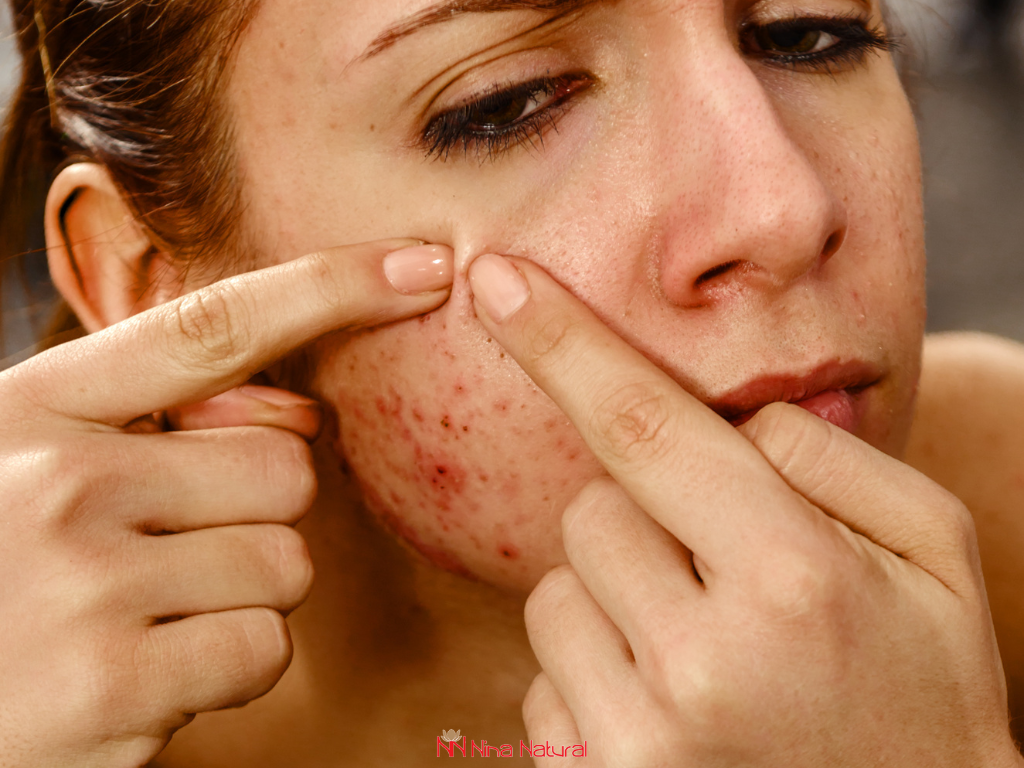
Popping pimples is one of the most common reasons marks linger longer. When you mechanically apply pressure to an inflamed area, you are not only affecting the surface of the skin, but you may also worsen irritation and spread inflammatory material into the surrounding tissue. This can prolong the skin’s recovery and increase the risk of a dark mark or red post-breakout mark remaining.
Even when it seems like a pimple will “go away faster” if you squeeze it, the skin often takes longer to recover after that intervention than if the breakout had been left to calm down naturally.
Avoid Rubbing and Constantly Checking the Skin
Touching your face out of habit, checking blemishes in the mirror repeatedly, or rubbing the skin with a towel may seem harmless, but even minor additional irritation can prolong recovery when the skin is already inflamed. Every extra contact can increase skin sensitivity and extend recovery time.
If the skin is already sensitive, less friction and less irritation often mean a lower chance of stubborn marks.
Aggressively “Drying Out” the Skin Is Not the Same as Effective Care
One of the most common misconceptions is that a pimple should be dried out as much as possible to make it disappear faster. In reality, products that overly dry the skin can disrupt the skin barrier, trigger additional irritation, and cause the skin to react even more intensely.
Skin that is excessively dried out often becomes tight, more sensitive, and more prone to uneven recovery. When the goal is preventing post-acne marks, aggression rarely produces the best outcome.
Do Not Overdo Active Ingredients All at Once
When a breakout appears, it is easy to feel tempted to use multiple products at the same time – exfoliants, serums, spot treatments, extra cleansing. However, combining too many active ingredients can place more stress on the skin rather than help it.
More products do not necessarily mean faster results. Sometimes a simpler routine gives the skin the space it needs to recover without additional stress.
The Priority Is Calming Inflammation, Not Going to “War” With Your Skin
While the breakout is still active, the skin needs support, not constant irritation. The focus should be on a gentler approach that helps calm the skin and preserve its protective function.
With this kind of approach, many people benefit from soothing ingredients and a simpler skincare routine that does not place extra stress on already reactive skin. When inflammation settles in time and the skin barrier remains intact, there is a lower chance that a post-acne mark will remain visible longer than necessary.
How to Care for Your Skin in Summer When Post-Acne Marks Are Already Present
When post-acne marks are already there, the natural reaction is to want them gone as quickly as possible. At that point, many people turn to more intensive products, more frequent exfoliation, or skincare that promises fast results. However, once the skin has already gone through inflammation and a mark has formed, an overly aggressive approach often does not speed up recovery – it may actually prolong the amount of time those marks remain visible.
If you are wondering how to get rid of acne marks, the first step is not necessarily a “stronger” routine, but one that helps the skin recover without additional stress. This becomes especially important during the summer, when heat, UV exposure, and sweating can make the skin more sensitive than usual.
Gentle Cleansing Without Additional Irritation
Cleansing is an important part of any skincare routine, especially for skin prone to oiliness and breakouts, but the way you cleanse can make a significant difference. When post-acne marks are present, the goal is not for the skin to feel “squeaky clean,” but to remove impurities, excess sebum, SPF, and product residue without further disrupting the skin barrier.
Over-cleansing can lead to tightness, stinging, or excessive dryness, which may be signs that the skin is losing more than it benefits from. When the barrier is weakened, the skin becomes more sensitive, more prone to irritation, and less capable of recovering evenly.
During the summer, when we sweat more and are more likely to wash the face repeatedly, it is easy to fall into that cycle. Gentle cleansing in the morning and evening, along with an adjusted routine after sweating, is often a better approach than constantly “resetting” the skin throughout the day.
Hydration That Supports Skin Recovery
One of the common mistakes with oilier skin is skipping moisturizer out of fear that the face will look even oilier. However, dehydrated skin is not the same as oily skin.
When post-acne marks are already present, the goal is not only to make the marks less visible, but also to ensure that your daily skincare routine does not make recovery harder.
If the skin lacks hydration, it can become tight, more sensitive, and more prone to irritation, which can further complicate recovery after inflammation.
Proper hydration helps the skin maintain its protective function and better tolerate everyday external stressors such as heat, sweating, and UV exposure, all of which can contribute to irritation and make marks appear more noticeable during the summer.
During warmer months, many people find that lighter hydrating formulas feel more comfortable and are easier for the skin to tolerate. Especially for acne-prone skin, maintaining a balance between lightweight care and adequate hydration is often more beneficial than trying to completely “dry out” the skin.
SPF as a Non-Negotiable Step
If there is one step that makes the biggest difference when it comes to post-acne marks in summer, it is sun protection. No matter how carefully you care for your skin, without proper protection UV exposure can cause existing pigmentation marks to remain visible longer and become more noticeable.
The reason is that sun exposure stimulates the skin to produce more melanin as part of its natural protective response. When a pigmentation mark is already present at the site of previous inflammation, additional melanin stimulation can make that mark darker and slower to fade.
That is why SPF is not an optional extra that you use only when planning to spend the entire day outdoors.
Sun protection matters during everyday activities too – walking, driving, brief time outside, or even sitting on the terrace.
Many people focus on how to fade existing marks while skipping the one step that has the greatest impact on whether those marks become more noticeable.
When it comes to post-acne marks, SPF is not a “bonus” step. It is the foundation if you want to prevent further darkening and support a more even-looking recovery.
With post-acne marks, a simple and consistent routine often does more than constantly experimenting with new products.
Are Active Ingredients Always the Best Solution for Post-Acne Marks?
When people look into what to use for acne marks, they often come across vitamin C, niacinamide, acids, and exfoliants. These ingredients can absolutely have a place in a skincare routine, but not every one of them is the best choice for every skin type – especially during the summer, when UV exposure, heat, and sweating become additional factors.
Vitamin C
Vitamin C is often used in skincare routines targeting uneven skin tone because it is associated with antioxidant support and skincare for skin exposed to external stressors. When it comes to post-acne marks, it can be a useful part of a routine if the goal is for the complexion to gradually appear fresher and more even over time.
However, vitamin C is not always the first choice if the skin is currently irritated, stinging, feeling tight, or still recovering from active inflammation. For more sensitive skin, some forms of vitamin C may be too strong, especially when combined with acids or exfoliation.
That is why it is important to introduce vitamin C gradually and pay attention to how your skin responds.
Niacinamide
Niacinamide is commonly found in products for skin prone to blemishes, enlarged pores, excess oil, and uneven skin tone. One of its advantages is that it usually fits well into simpler skincare routines and is often chosen when the goal is for the skin to appear calmer and more even.
For post-acne marks, niacinamide can be a good option when the skin does not tolerate more aggressive approaches well, since it is often used for skin that is prone to irritation.
However, this does not mean that using multiple niacinamide products will produce better results. If niacinamide appears in several steps of your routine, the skin may respond with tightness, stinging, or redness.
Retinoids
Retinoids, such as retinol, are often mentioned in skincare routines focused on uneven skin tone and skin renewal. Because of this, some people choose them when they want post-acne marks to gradually become less visible.
However, retinoids are not ingredients that every skin type tolerates easily. If the skin is already sensitive, irritated, prone to stinging, or still recovering from active breakouts, retinoids may be too intense as a starting point.
During the summer, it is especially important to be cautious, particularly if the routine is not carefully adjusted and sun protection is not used consistently. When dealing with post-acne marks, there is little point in introducing an ingredient that further irritates the skin while skipping SPF during the day.
Acids and Gentle Exfoliants
Acids and exfoliants are often recommended for post-acne marks because they help remove dead skin cells from the surface and may contribute to a more even-looking complexion. That is why many people see them as a logical option when they want dark post-acne marks to fade faster.
However, this is one part of a skincare routine that requires extra caution during the summer. If used too often, if they are too strong for your skin, or if SPF is not used, exfoliants can trigger additional irritation. And when the skin already has post-inflammatory marks, extra irritation can cause those changes to remain visible longer.
That is why acids should not be introduced randomly or combined with multiple other active ingredients all at once.
Active ingredients can absolutely be part of a routine for post-acne marks, but they are not a universal solution. When the skin is already sensitive or irritated, a more thoughtful approach often makes more sense than simply adding another “stronger” product.
Common Mistakes That Make Post-Acne Marks Last Longer
However, when it comes to post-acne marks, the problem is often not that we are doing too little for the skin, but that we are doing too much – too much pressure, too many products, too much experimenting, and too little protection.
Popping Pimples
Popping pimples is one of the most common mistakes because it feels like a quick fix in the moment, but it often creates a bigger problem for the skin later. Pressing on an inflamed breakout further disrupts the skin’s recovery process, prolongs irritation, and increases the chances of a dark or reddish mark remaining afterward.
Even when a pimple looks like it is “ready,” the skin often takes longer to recover after popping than if the breakout had been left alone.
Aggressive Exfoliation During Summer
Exfoliation can have a place in a skincare routine, but aggressive exfoliation during the summer is not the best way to make marks fade faster. When the skin is exposed to exfoliation too frequently, especially if it is already sensitive or inflamed, it can become irritated, tight, and reactive.
This does not mean that every exfoliant is bad, but more exfoliation does not mean faster fading. With post-acne marks, especially in the summer, the goal is a thoughtful approach — not “scrubbing away” the skin at any cost.
Drying Out the Skin in an Attempt to “Fix” the Marks
Post-acne marks cannot be “dried out” the way people sometimes try to treat pimples. A dark mark is not excess oil or surface impurity, but a pigmentation change that develops after inflammation.
That is why products that excessively dry out the skin do not address the root of the problem. On the contrary, they can weaken the skin barrier and make the skin more sensitive, prolonging the recovery period.
Products That May Further Burden Acne-Prone Skin
When trying to cover up marks or quickly improve the skin’s appearance, many people reach for products that do not suit their skin type – richer creams, layers of makeup, or formulas that leave the skin feeling oilier and uncomfortable.
Not every richer texture will automatically cause a problem, but if certain products leave you feeling like your skin cannot “breathe,” becomes noticeably oilier, or triggers new breakouts, your routine may not match your skin’s current needs.
During the summer, this can become even more noticeable, since heat, sweating, and increased sebum production place additional stress on the skin.
When people try to hide an existing issue while simultaneously adding products that do not work well for their skin, it is easy to end up in a cycle of new breakouts and new marks.
Ignoring SPF Protection
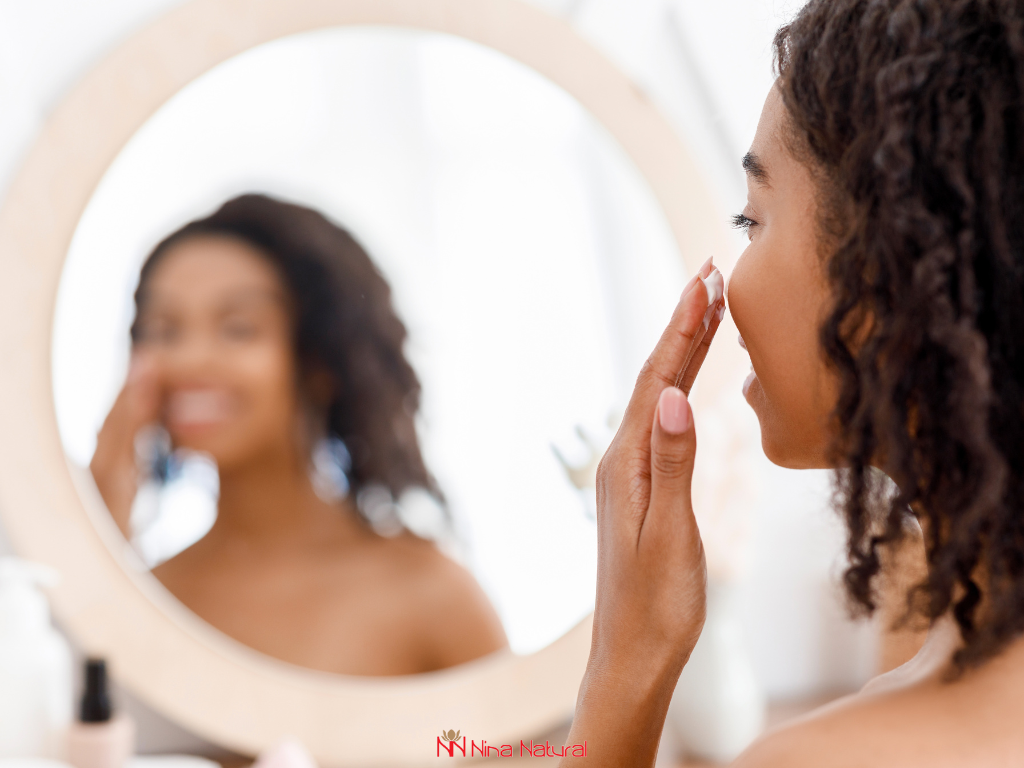
This is one of the biggest mistakes when dealing with post-acne marks, especially during the summer. If the skin is cared for at night but not protected from UV exposure during the day, pigmentation can remain visible longer or become even darker.
SPF is not only important at the beach. When it comes to post-acne hyperpigmentation, daily sun protection is a core part of the routine because it directly affects how noticeable the marks will remain.
Constantly Changing Your Routine
When marks do not fade quickly, the temptation is often to keep changing your routine, a new cream, a new serum, a new exfoliant, a new “trick.” However, the skin needs time to show how it responds to skincare.
If products are changed from week to week, it becomes difficult to tell what is actually helping and what is causing irritation. Consistency is especially important with changes that fade gradually, such as post-acne marks.
Trying to “Erase” Marks Quickly
One of the biggest myths is that post-acne marks can disappear overnight if you find a strong enough product. In reality, an aggressive approach often leads to more irritation than results.
Post-acne marks usually fade gradually. That is why a better goal is to avoid placing extra stress on the skin, protect it from the sun, and keep the routine simple, rather than constantly searching for the fastest possible fix.
How Long Can Post-Acne Marks Remain Visible?
One of the most common questions when a post-acne mark remains visible longer than expected is: Is this normal, and how long can it last?
There is no universal answer, because recovery time depends on several factors. With milder skin changes, a mark may gradually become less noticeable over the course of a few weeks, while more pronounced pigmentation changes may take several months to fade. With deeper inflammatory breakouts, that period can sometimes be even longer, especially if the skin is additionally exposed to sun or irritation. This does not automatically mean the change is permanent, but rather that skin does not go through the recovery process at the same pace for everyone.
A post-acne mark is not something that can simply be “removed” from the surface of the skin. It is a change that develops as a result of inflammation and the recovery process taking place within the skin.
Smaller, more superficial changes that have not been additionally irritated often become less noticeable faster than deeper, more inflamed breakouts. Other factors can also affect how long a mark remains visible, such as whether the pimple was popped, how prone the skin is to post-inflammatory pigmentation, whether new active breakouts continue to appear, and how consistent the skincare routine is.
Sun exposure can also prolong the period during which a mark remains visible. If skin with existing pigmentation is not properly protected, UV exposure can make the discoloration appear darker and remain more noticeable for longer than it otherwise would. Additional irritation, aggressive exfoliation, or constantly changing products can also slow the recovery process.
That is why comparing your skin to someone else’s experience is often not helpful, because not every skin responds in the same way.
When Are Post-Acne Marks More Than Just a Temporary Trace?
Many post-acne marks gradually become less noticeable over time with consistent skincare and proper sun protection. However, not every skin change fades at the same pace, and not every “mark” is simply temporary pigmentation.
That is why it is helpful to pay attention to how the change looks and whether it evolves over time. If a mark does not seem to be gradually fading, remains unchanged, becomes more noticeable, or you are unsure whether you are dealing with pigmentation, redness, or something else, it may be time for a closer evaluation.
The Mark Becomes Darker or More Noticeable
If the skin change becomes darker, appears more persistent, or spreads even though the active breakout is gone, this may be a sign that the recovery process is not progressing as expected or that external factors are continuing to contribute to the issue, such as UV exposure or ongoing irritation.
Not every temporary worsening is a cause for concern, but changes that seem to become more intense over time instead of fading should not be ignored.
Active Breakouts and Marks Keep Alternating
When you are dealing with both new breakouts and lingering marks at the same time, your skincare routine can easily become confusing. What helps with active acne is not always the same as what the skin benefits from during recovery from pigmentation changes.
If the same pattern keeps repeating, a new breakout, then a mark, then another breakout – the focus may need to shift beyond just the existing marks and toward managing the acne itself.
You Suspect It Is a Scar, Not a Mark
If the skin change is not only visible but also feels like an indentation, unevenness, or a change in the skin’s surface texture, it is more likely not just pigmentation.
Pigmentation marks change the skin’s color, but not its structure. Scars require a different approach than dark or red post-inflammatory marks.
The Change Does Not Look Like a Typical Post-Acne Mark
Some pigmentation changes may resemble acne marks but actually have a different cause. If you notice symmetrical darker patches on the cheeks, forehead, or above the upper lip, it may not be a typical post-acne mark.
If you are not sure what you are actually seeing, a professional evaluation can help prevent skincare choices that may not be appropriate for the type of skin change.
When to Talk to a Dermatologist
A professional evaluation may be helpful if:
- the marks are becoming darker or more noticeable
- you are unsure whether it is pigmentation, redness, or a scar
- you are dealing with both active acne and persistent marks at the same time
- you suspect the skin change is not a typical post-acne mark
Not every skin change requires a dermatologist visit, but it is not helpful to assume that every issue will respond to the same approach.
Frequently Asked Questions
Do post-acne marks fade on their own?
In many cases, post-acne marks can gradually become less noticeable even without aggressive treatments, but that does not mean they will fade quickly or at the same pace for everyone. How long a mark remains visible depends on several factors, including the severity of the original inflammation, skin type, sun exposure, and skincare habits.
Milder pigmentation changes may become less noticeable over the course of a few weeks, while more pronounced marks can take significantly longer to fade. If the skin is additionally irritated, if the affected areas are frequently touched, or if sun protection is not used consistently, the process may take longer.
It is also important to distinguish what type of skin change you are dealing with. Dark pigmentation, redness, and true scars do not behave the same way, so expectations for recovery should not be the same either.
In other words, post-acne marks can gradually fade without aggressive treatments, but the skin often needs time and a routine that does not make recovery more difficult.
Are post-acne marks the same as melasma?
No. Although both involve changes in skin pigmentation, they are not the same.
Marks left after acne most commonly develop as a result of inflammation. As the skin recovers after a breakout, it may produce more melanin in the area where the blemish was, leaving behind a darker mark. This is what is known as post-inflammatory hyperpigmentation.
Melasma is a different type of pigmentation issue. It is more commonly associated with a combination of hormonal factors, genetic predisposition, and UV exposure. It usually appears as larger, symmetrical darker patches, most often on the cheeks, forehead, nose, or above the upper lip.
In other words, post-acne marks are most often caused by inflammation, while melasma is more commonly linked to hormones, genetics, and sun exposure.
If you are unsure what type of skin change you are dealing with, a professional evaluation can help.
Does sun exposure help post-acne marks fade faster?
No – this is one of the most common myths when it comes to breakouts and the marks they leave behind.
Sometimes it may seem like the sun “dries out” the skin or makes the complexion look more even once the skin develops a slight tan, making marks temporarily appear less noticeable. However, when it comes to pigmentation marks left after acne, UV exposure often has the opposite effect.
Sun exposure can stimulate additional melanin production, causing existing marks to become darker and remain visible longer. This means that a short-term visual improvement does not necessarily mean the condition is actually getting better.
If the goal is a more even complexion and preventing further darkening of the marks, sun protection is a far more important step than relying on UV exposure.
Does exfoliation help with post-acne marks?
Exfoliation can have a place in skincare, but it is not a universal or quick solution for post-acne marks. Certain forms of exfoliation may help the skin gradually appear more even over time, but overdoing it – especially when the skin is already sensitive or during warmer months – can trigger additional irritation.
When the skin barrier becomes weakened, the skin becomes more sensitive and less able to recover steadily. In these situations, aggressive exfoliation may prolong the issue instead of improving it.
If exfoliation is used, balance matters more than the assumption that a stronger or more frequent treatment will automatically deliver faster results.
Can Natural Treatments Help with Post-Acne Marks?
Natural treatments can be part of a skincare routine for post-acne marks, but they are not a quick fix or a replacement for the basic foundations of skincare. Post-acne marks usually fade gradually, and what the skin often needs most is a routine that does not contribute to additional irritation.
For skin recovering after inflammation, some people find that simpler approaches and gentler skincare work better. In that context, natural ingredients such as immortelle, aloe vera, or other soothing botanical extracts, as well as ingredients like panthenol, are often chosen as part of routines focused on caring for more sensitive skin.
routines focused on caring for more sensitive skin.
However, when it comes to post-acne marks, sun protection remains one of the most important steps regardless of whether you choose a more natural skincare routine.
Why Are Post-Acne Marks Darker in Summer Than in Winter?
During the summer, existing post-acne marks often become more noticeable because sun exposure can stimulate additional melanin production, the pigment that affects skin color. If pigmentation is already present, this can make the mark appear darker and more pronounced.
Additional contributing factors include heat, sweating, more frequent face touching, and a higher risk of irritation, all of which can make it harder for the skin to recover evenly.
That is why many people notice that post-acne marks tend to be more visible during warmer months than in winter.