
Peptides in Cosmetics: What They Are and How to Incorporate Them Into Your Skincare Routine
What are peptides?
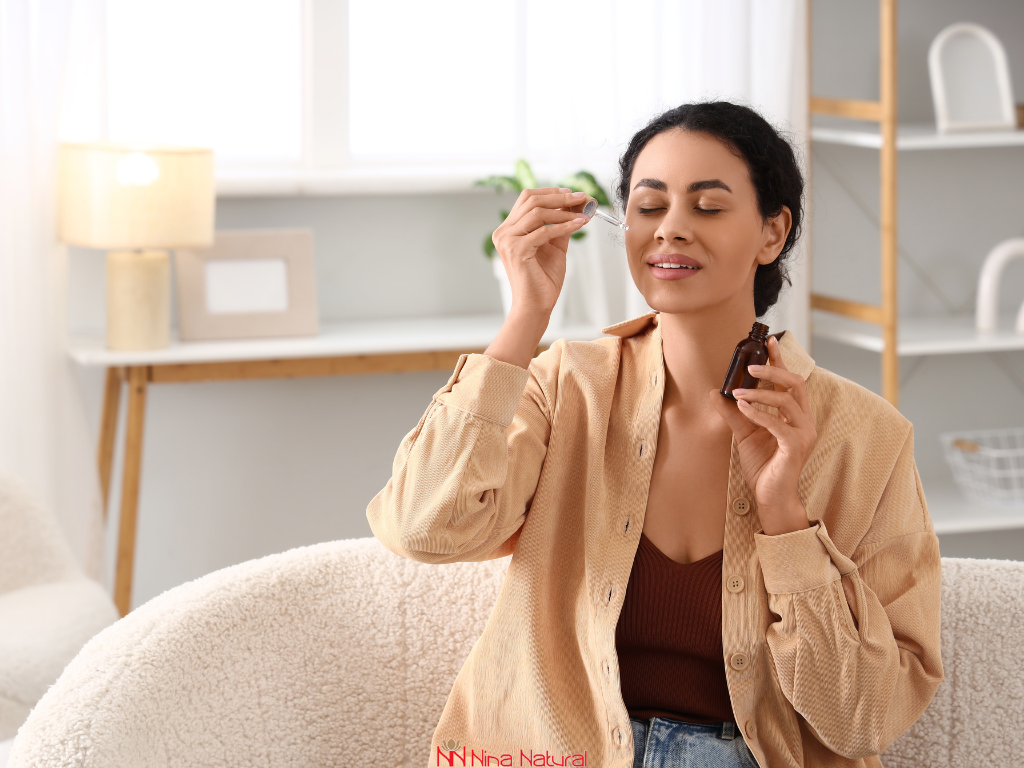
Peptides are natural components that already exist in our bodies and play an important role in maintaining healthy and functional skin.
They are short chains of amino acids, and amino acids are the building blocks of proteins like collagen, elastin, and keratin. These proteins are responsible for skin firmness, elasticity, and a youthful appearance.
Collagen and elastin are naturally produced in the skin in sufficient quantities, but over the years this process slows down, causing the skin to gradually lose firmness and elasticity.
Peptides in cosmetics help support the skin’s natural processes and enable it to maintain a healthy and balanced appearance for longer. They work by encouraging the skin to gradually become firmer and fuller on its own.
Their action is gentle, gradual, and adapted to the skin’s natural functioning, which is why they’re often a good choice even for people who are just beginning anti-aging skincare.
How do peptides work on the skin?
When applied to the skin, peptides act as small “messengers” that communicate with cells and remind them of processes that have slowed down over the years.
This way, the skin receives information to renew itself, rather than relying solely on external product effects.
Cosmetic peptides don’t all work the same way. Depending on their role, they can be divided into several main groups, each of which affects different processes in the skin.
Signal role of peptides
One of the most important roles of peptides in skincare is their signaling function. Certain peptides have the ability to “inform” skin cells that they need to increase the production of collagen, elastin, or other important components that contribute to skin firmness and elasticity.
This process doesn’t happen suddenly. On the contrary, the effects build gradually and naturally, which means the skin can become more resilient, elastic, and visibly healthier over time.
It’s precisely because of this gentle and gradual action that peptides are often recommended for people who want long-term results without irritation.
Neurotransmitter peptides
They work by reducing signals that lead to facial muscle contractions. This way, they help muscles relax slightly, so fine lines and wrinkles may appear less pronounced.
They’re often described as peptides with a “relaxing” effect on the skin.
Carrier peptides (transport peptides)
Their role is to bind certain minerals and deliver them to skin cells where they’re most needed.
These minerals participate in the skin’s renewal and regeneration processes. One well-known example is copper peptides, which help the skin recover and support natural collagen production.
Enzyme inhibitor peptides
They help by slowing down enzymes that break down collagen and elastin in the skin. This way, they contribute to preserving the skin’s existing structure and help signs of aging appear more slowly.
Peptides work gradually but deeply. They support skin renewal “from within,” unlike surface treatments that mainly give temporary effects.
That’s why peptide results aren’t visible overnight, but with regular and consistent use, they can be stable and long-term. The key is patience and continuity.
Benefits of peptides for skin
In skincare, peptides are considered ingredients that contribute to healthier and more balanced-looking skin. The most commonly highlighted benefits include:
Strengthening the skin’s natural barrier – peptides help the skin strengthen its protective function, which contributes to better resistance to external influences and reduced irritation.
Contributing to collagen and elastin production – regular use of peptides can contribute to better skin tone and firmness, as they support processes responsible for its elasticity.
Faster skin regeneration and recovery – peptides can help the skin recover more easily after irritation or stress, supporting natural renewal mechanisms.
Better hydration and fuller-looking skin – they’re often combined with hydrating ingredients, contributing to moisture retention and a more pleasant, softer feel on the skin.
Softening fine lines and wrinkles – through support of collagen and elastin, peptides can make fine lines less pronounced over time, and the skin smoother.
More even complexion and healthier-looking skin – by improving the overall condition of the skin, peptides can contribute to a fresher and more even complexion.
Peptides and skin types
The way peptides work can differ depending on the skin’s condition, age, and current needs.
For some skin types, they help the skin recover and strengthen, while for others they serve as gentle support for balance and a healthy appearance.
Younger skin (20–30 years)
How the skin typically looks: In younger years, the skin is usually healthy and without major problems. It may occasionally appear dehydrated, and the first fine lines are usually noticed around the eyes. Although signs of aging aren’t yet pronounced, there’s often a desire to keep the skin fresh and well-maintained for as long as possible.
How peptides work on younger skin: They help the skin maintain stability and support natural processes that contribute to firmness and elasticity. Their role is primarily preventive. Instead of “fixing” changes that have already occurred, they help the skin maintain a fresh and well-cared-for appearance longer.
How to use them: There’s no need for strong formulas or complex routines. One peptide serum or cream, morning or evening, is quite sufficient along with basic care: cleansing, hydration, and sun protection. Peptides are used during this period as gentle, long-term support for the skin and are a good investment in its future appearance.
Mature skin (40+ years)
How the skin typically looks: With age, the skin gradually loses firmness and elasticity. Wrinkles become more visible, especially around the eyes, forehead, and lips, and facial contours may appear more relaxed. The skin often appears drier, the complexion becomes more uneven, and natural radiance is gradually lost.
How peptides work on mature skin: They help the skin respond better to changes that come with age. They contribute to firmer-looking skin and can soften the visibility of fine lines and wrinkles. Their action is gradual but focused on long-term improvement of the skin’s appearance and structure.
How to use them: For mature skin, peptides can be used daily, morning and evening. In the morning routine, they fit well after vitamin C serum and before SPF cream. In the evening, they can be applied after retinol or another active product, with a short pause between steps. For mature skin, consistency is important because peptide effects build gradually.
Acne-prone skin
How the skin typically looks: Acne-prone skin may have occasional or persistent breakouts, often associated with hormonal changes, especially in the chin and jawline area. Blackheads, inflammation, and marks that remain after breakouts clear up may also appear. Due to frequent use of stronger acne treatments, the skin may be more sensitive and prone to irritation.
How peptides work on acne-prone skin: Peptides are suitable for this skin type because they don’t clog pores and don’t encourage new blemishes. Their role is in calming the skin and supporting its recovery, especially after inflammation. Certain peptides, such as copper peptides, are associated with better skin healing and a more even complexion.
How to use them: For acne-prone skin, peptides are used as a supplement to therapy, not as the main treatment. They’re usually applied after active ingredients to help calm the skin. In the morning, they can be used before SPF cream, while in the evening they’re applied after anti-acne treatment, with a short pause between steps. Lightweight formulas that absorb quickly and don’t burden the skin are recommended.
Dry skin
How the skin typically looks: Dry skin often feels tight, especially after washing. Instead of natural radiance, it may look tired and dull, and fine dehydration lines sometimes become more visible. Some people experience occasional flaking, usually around the nose or on the cheeks, while makeup may further highlight dry areas.
How peptides work on dry skin: They play an important role in supporting the skin to retain moisture and strengthen its protective barrier. This way, they help reduce water loss throughout the day, so the skin feels more comfortable and softer. With regular use, the skin may appear fuller, more elastic, and less prone to tightness.
How to use them: For dry skin, peptides fit best into a simple, hydrating routine. Peptide serums containing hyaluronic acid, glycerin, or ceramides are recommended. They can be used morning and evening, ideally on slightly damp skin after cleansing, then followed by a cream designed for dry skin.
Oily skin
How the skin typically looks: Oily skin is most commonly recognized by increased shine, especially in the T-zone—the forehead, nose, and chin. Pores may be more visible, and the skin is sometimes prone to blemishes and occasional inflammation. Although it appears oily, this skin type still needs hydration to maintain a healthy appearance.
How peptides work on oily skin: They don’t increase oiliness or burden pores. They help the skin appear calmer, and with regular use, you may notice it’s less oily and less shiny.
How to use them: For oily skin, it’s best to choose peptides in gel or water-based serums. They work well with ingredients that help control oil and maintain clearer pores. In the morning routine, peptide serum is applied before SPF cream, while in the evening it can be used with a lightweight moisturizer that absorbs quickly and doesn’t leave a greasy residue.
Combination skin
How the skin typically looks: Combination skin has oilier areas, usually in the T-zone, while the cheeks are normal or slightly dry. Because of these differences, the skin may appear uneven, and it’s often necessary to adjust care to different parts of the face.
How peptides work on combination skin: Peptides are a good choice for combination skin because they work gently and adapt to different skin needs. They don’t dry out dry areas, nor do they additionally burden oilier zones. This way, they help the skin look more even and comfortable.
How to use them: Peptide serum is applied to the entire face as a basic care step. The rest of the routine can be adjusted to individual zones—a lighter cream on oilier parts of the face, and a more nourishing one where the skin is drier. The key is that the peptide serum is the same for the entire face, while the cream is adjusted to the needs of different zones.
Normal skin
How the skin typically looks: Normal skin usually doesn’t have pronounced shine or a feeling of dryness. Pores are generally less visible, and the skin appears healthy and well-maintained. However, like every skin type, it goes through natural changes over time and requires basic, consistent care.
How peptides work on normal skin: They play a role in maintenance and gentle support. They help preserve good skin quality and enable it to maintain a fresh and healthy appearance longer, without the need for aggressive or intensive ingredients.
How to use them: Using one peptide serum once a day, morning or evening, is sufficient. It easily fits into a simple routine and is often enough as the only additional step along with cleansing, hydration, and sun protection.
How to properly incorporate peptides into your skincare routine
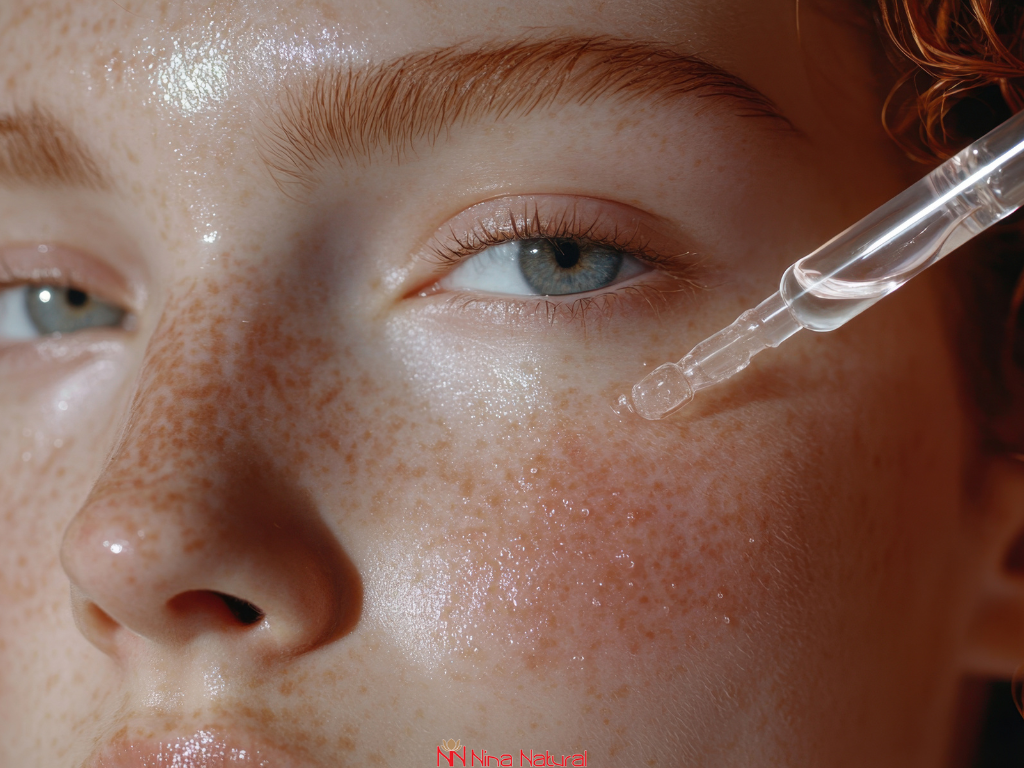
Introducing peptides into daily care doesn’t have to be complicated. The most important thing is to use them in the correct order and not to combine them with ingredients that can reduce their effect or irritate the skin. By following simple steps, peptides can become a stable and beneficial part of your routine.
Step 1: Cleansing (skin preparation)
Peptides are always applied to clean skin. After washing and, if desired, toner, the skin is ready to receive active ingredients. On skin prepared this way, peptides are absorbed better and can work more effectively.
Step 2: Peptides (targeted care)
Products with peptides, such as serums or light creams, are applied after cleansing. If you’re using a peptide serum, it comes before the cream. If the peptide is already part of the cream, it’s applied as the main nurturing step (in the morning before SPF). Peptides combine well with hydrating and soothing ingredients like hyaluronic acid, niacinamide, ceramides, or panthenol.
Step 3: Hydration and protection
After peptides, a cream suited to your skin type is applied to additionally hydrate and nourish the skin. In the morning routine, it must end with a cream with SPF, because UV radiation can disrupt the processes that peptides support in the skin. That’s why proper sun protection is an important step in every routine, especially when using active ingredients like peptides.
How to combine peptides with other active ingredients
Peptides are gentle, but their simultaneous application with strong acids, retinol, or powerful acne treatments in the same layer of the routine is not recommended. If you use such products, it’s best to separate them—for example, peptides in the morning and acids or retinol in the evening, or rotate them by days. This approach also fits into the skin cycling routine concept, where active ingredients are carefully distributed throughout the week so the skin has enough time to recover.
Gradual introduction and moderation
If you’re using peptides for the first time, start slowly, a few times a week, then gradually transition to daily use. There’s no need for multiple peptide products at once. One carefully chosen product is quite sufficient. Overdoing it can lead to irritation, especially for sensitive skin.
Products with peptides
Peptides are most commonly found in serums and creams, but also in special preparations for the eye area, where they provide gentle and targeted care for sensitive skin, like immortelle anti-wrinkle eye cream.
Serums with peptides have a lightweight texture and absorb quickly, making them easy to fit into morning and evening routines.
Creams with peptides provide additional care and hydration, so they’re often used as a final step, especially in the evening.
Products with peptides are applied to clean skin after cleansing, and the routine then continues with a moisturizer or, in the morning hours, with SPF cream.
Since peptides support skin renewal processes, SPF is an important part of the daily routine to preserve achieved effects.
In practice, it’s best to start with one peptide product, such as a serum, and use it regularly while monitoring the skin’s reaction.
This way, peptides easily fit into the routine without overload and without the need for a large number of products.
Results and expectations
Peptides don’t give quick changes but work gradually and in accordance with the skin’s natural processes.
The first subtle changes, such as better skin texture, a more pleasant feel to the touch, and greater hydration, can be noticed after just a few weeks of regular use.
More visible effects on skin firmness, elasticity, and fine lines usually require a longer period of use, most often between 8 and 12 weeks, with consistency in the routine.
Since peptides work “quietly” and from within, it’s not unusual for time to be needed before the skin shows more significant changes.
That’s precisely why it’s important to have realistic expectations and monitor the skin’s reaction—if you notice gradual improvement without irritation, that’s a sign that peptides are doing their job.
With regular use and basic good care, results become not only more visible but also more lasting, because the skin gradually strengthens and gains a fuller, healthier appearance.
Most common mistakes when using peptides
Although peptides are known as gentle and well-tolerated ingredients, the way they’re used in a routine can have a big impact on their effect. Improper combining or overdoing it can diminish their benefits or cause irritation, especially for more sensitive skin.
Mixing with strong acids
Peptides are not recommended for simultaneous application with strong acids or very acidic vitamin C. Such combinations can reduce their stability or additionally burden the skin.
It’s better to separate them in the routine—for example, use acids in the evening and peptides in the morning, or apply them alternately by days.
Unrealistic expectations
Peptides don’t work overnight. Time is needed to see results, usually several weeks, and more significant changes come with consistent use. Giving up after a short period is one of the common mistakes.
Irregular or improper application
Peptides work best when applied to clean skin as part of a regular routine. Skipping application or incorrect product order can diminish their effect.
Too many products at once
Using multiple peptide products at the same time doesn’t mean better results. On the contrary, it can burden the skin. In most cases, one well-chosen product is quite sufficient.
Wrong product choice
Different peptides have different roles. That’s why it’s important to choose products according to your skin’s needs, instead of relying on one “universal” effect.
Conclusion
Peptides are gentle but powerful allies in skincare. Instead of aggressive methods, they support natural processes in the skin and help it become firmer, more hydrated, and more resilient over time.
Their great advantage is that they’re suitable for different skin types and easily fit into daily routines without the need for complicated steps.
As with any active ingredient, it’s important to use them moderately and monitor the skin’s reaction.
In our blog section, you can find more useful guides and tips for proper care.
The key to good results lies in patience, consistency, and proper use.
If you’re thinking about refreshing your skincare routine, peptides represent a smart and long-term choice.
Along with basic care and sun protection, they can help the skin maintain a healthy and well-maintained appearance, naturally and gradually.