
What Is Skin Cycling?

Skin cycling is an innovative skincare trend that has recently gained immense popularity, especially on social media like TikTok. Unlike many passing fads, this concept has roots in expert skincare advice. In fact, the idea of skin cycling was developed by dermatologist Dr. Whitney Bowe during the pandemic, and it quickly earned professional approval because it truly delivers results.
Skin cycling involves rotating your skincare products over several nights rather than using the same active ingredients every day. The goal is to maximize the effectiveness of ingredients like acids and retinoids while minimizing irritation and damage to the skin’s barrier by giving the skin built-in rest days.
In other words, skin cycling follows a planned cycle of powerful treatments and recovery nights, allowing the skin to adapt and regenerate instead of being “bombarded” by strong actives every single night. Dermatologists have essentially recommended this approach for years, but only recently under the name “skin cycling” has it become a viral hit.
What Is Skin Cycling? (Rotating Skincare Routine)
Skin cycling is, quite simply, a strategy of rotating your skincare products over several nights instead of using the same actives every day. The goal of this approach is to maximize the effectiveness of the powerful ingredients you use (like fruit acids and retinoids) while minimizing irritation and damage to your skin’s barrier by giving your skin regular break days.
Skin cycling establishes a planned cycle of using potent products followed by recovery nights. This lets the skin adapt and regenerate rather than getting “bombarded” by aggressive ingredients night after night. Dermatologists have essentially recommended this kind of approach for years, but it has only recently become a hit on the internet under the name “skin cycling.”
How Does Skin Cycling Work?
In the classic method, skin cycling is done in a four-night cycle (i.e., a routine of four consecutive evenings) that then repeats. Each night of the cycle has a specific focus and uses particular types of products. After completing the cycle, you simply start again at the beginning.
Here’s a basic overview of what a four-night skin cycling routine looks like:
Night 1: Exfoliation
On the first night, you perform a chemical peel on your skin. After your usual facial cleansing, apply an exfoliating product containing AHAs (alpha-hydroxy acids like glycolic or lactic acid) or BHAs (beta-hydroxy acids like salicylic acid). This removes dead skin cells from the surface. Exfoliation immediately gives the skin a fresher appearance and “opens” pores so that products applied on the following nights are absorbed more effectively. Removing the dead cells in this way preps the skin for Night 2, allowing active ingredients like retinol to penetrate more deeply. (Note: Use a chemical exfoliant (like an acid lotion), not a harsh mechanical scrub, to ensure the exfoliation is even and controlled.)
Night 2: Retinoid
On the second night, you apply a retinoid, a vitamin A–based product. Retinoids (such as retinol or stronger formulas like tretinoin and adapalene) speed up skin cell turnover, boost collagen and elastin production, and help improve wrinkles, dark spots, and acne. However, retinoids can irritate sensitive skin, so it’s crucial to introduce them in a controlled way. That’s why skin cycling calls for using your retinoid only every other night, specifically after the exfoliation the previous evening. This approach delivers excellent results with a much lower risk of redness, peeling, and the so-called “retinol burn” (the skin’s intense reaction to retinol). Dermatologists emphasize that this gradual introduction is a game-changer for those with sensitive skin. You start with small doses of retinol, giving the skin time to adjust. (Note: On your retinoid night, focus only on the retinoid – do not layer other strong actives. After cleansing, apply the chosen retinoid to completely dry skin. If your skin feels dry later, you can follow with a moisturizer once the retinoid has absorbed.)
Night 3: Hydration and Recovery
The third night is your first “recovery” night, an evening dedicated to hydration, nourishment, and skin repair. After two nights of “pushing” your skin with active ingredients, it’s time to give it a rest. The Night 3 routine involves gentle but thorough cleansing, then applying products that calm the skin and restore its barrier. This typically means using rich hydrating serums and creams packed with ingredients like hyaluronic acid, ceramides, niacinamide, panthenol, allantoin, centella extract, and similar soothing agents. Anything that hydrates, nourishes, and repairs the skin’s barrier. No acids or retinol on this night. For example, you might apply a layer of hydrating serum and then a thick cream on top to “lock in” moisture. The goal is to let the skin calm down, nourish itself, and recover from the previous two nights of treatments.
Night 4: Hydration and Recovery
The fourth night is the second consecutive recovery night. Essentially, the routine is similar to Night 3, again focusing on deep hydration and repair. You repeat the gentle cleansing, then apply a rich hydrating serum and/or cream. These additional 24 hours of rest give your skin the best chance to fully regenerate, strengthen its barrier, and prepare for a new cycle of active ingredients. Dermatologists note that these rest nights are key for making skin cycling sustainable in the long term, they protect the skin from excessive dryness and irritation.
After the fourth night, the cycle is complete, and the next day you start over again at Night 1 with exfoliation.
Skin cycling is a nightly regimen planned on a weekly basis instead of daily. This ensures that each important category of product (exfoliant, retinoid, hydrator) gets its place, and that the skin also has time to rest and recover. The table below summarizes a four-night skin cycling plan with recommended products for each phase, so you can easily see what to do each night:
- Night 1 – Exfoliation
- Night 2 – Retinoid:
- Night 3 – Hydration/Recovery:
- Night 4 – Hydration/Recovery:
When these four nights are over, the skin cycling cycle repeats. On the fifth night you do exfoliation again, and so on.
Many people find it convenient to fit this cycle into a week: for example, Monday could be Night 1 (exfoliation), Tuesday Night 2 (retinoid), Wednesday and Thursday Nights 3 and 4 (hydration), then Friday goes back to exfoliation and the cycle starts anew.
Of course, you can start on any day of the week that’s easiest to follow; the important thing is to keep the order and regularly give your skin both “action” and “rest.”
Benefits of Skin Cycling
Why has skin cycling taken the skincare world by storm? This approach offers a host of benefits for the skin, especially for those who want to incorporate potent active ingredients with minimal unwanted reactions.
Some of the biggest benefits include:
Less irritation, healthier skin barrier
One key reason dermatologists love skin cycling is that it helps preserve the skin’s integrity. By giving the skin rest days between strong treatments, the risk of cumulative irritation, dryness, and damage to the protective barrier is reduced. Acid exfoliants and retinoids are very effective but can be harsh if used too frequently. Skin cycling balances intense nights with recovery nights, so the skin is less prone to redness, flaking, and stinging. In other words, you keep your skin healthier in the long run while still using active treatments.
Maximum efficacy of active ingredients
When you use an exfoliant and a retinoid in a thoughtful schedule, each can deliver its full effect. Exfoliation on the first night removes the layer of dead cells and “unlocks” the pores, so that active ingredients applied the next night (like retinol) penetrate deeper and work more effectively. Meanwhile, the recovery time after the retinoid gives the skin a chance to rebuild itself, meaning the next exfoliation will again work on “prepared” skin. This kind of rotation can make each product perform optimally, compared to a scenario where you, say, used retinol on already irritated, peeling skin (which would reduce its benefit). Many users report that with skin cycling their skin becomes more radiant, the complexion evens out, and pores become cleaner after just a few weeks, precisely because each step of the routine gets a moment to “shine.”
Structure and simplicity for the user
Another advantage of skin cycling is that it brings a clear structure to your weekly skincare. Instead of wondering “Can I use an acid or retinol tonight, or both, or neither?”, you have a clear schedule. This is especially helpful if you’re a beginner with actives. Skin cycling gives you a framework to follow until you learn how your skin responds. It also helps those who have many products and aren’t sure how to use them all. By rotating products by day, you’ll use everything without overloading your skin. The structure of skin cycling essentially introduces discipline into your routine and prevents common mistakes like over-exfoliation (for example, using acids too often) or layering strong formulas together too frequently, which can cause inflammation.
Gradual introduction of potent ingredients
For people who have never used retinoids or acids, skin cycling is an excellent way to introduce them step-by-step. Instead of suddenly starting retinol every single night (which almost guarantees irritation), skin cycling uses retinol once every four days from the start, which is much gentler on the skin. Two days of recovery between retinol applications allow the skin to calm down, and then you can assess its reaction and gradually increase the frequency as needed. Skin cycling helps those new to exfoliants and retinoids to integrate them into their routine without drying out or irritating the skin. In other words, this method is an ideal “starting point” for potent ingredients – it provides all the benefits (like faster glowing skin, fewer breakouts, and reduced fine lines) but with minimal side effects.
Versatility and adaptability
Skin cycling can be tailored to different skincare goals. For example, if your primary focus is anti-aging, you could choose a stronger retinoid and a rich peptide cream for the recovery nights. If you’re fighting acne, your exfoliant might be a BHA (salicylic acid) to clear pores, and your hydrating nights would involve lighter, non-comedogenic formulations. You can adjust the cycle framework to your skin’s needs. Essentially, skin cycling is the structure into which you put your favorite products by category (exfoliant, retinoid, hydrator) and rotate them. Even specific issues like melasma or uneven pigmentation can be targeted in this regimen (e.g., using an azelaic acid exfoliant and a retinoid for pigmentation), while keeping the skin balanced. Many users note that skin cycling allows them to address multiple concerns at once, for example, both acne and aging, because they have room to include different actives throughout the week instead of trying to combine everything in one nightly routine.
In short, skin cycling nurtures the skin in a smart way: you get all the benefits of powerful ingredients (smooth, glowing, rejuvenated skin) with a much lower risk of irritation, and you follow clear guidelines on how to execute your routine. It’s no surprise that dermatologists say this is one TikTok trend that actually makes sense and is easy to stick to.
Potential Drawbacks and Limitations of Skin Cycling
While skin cycling offers numerous advantages, it’s important to mention a few potential drawbacks or limitations so you can have realistic expectations and decide if this regimen is right for you:
Slower results for experienced users
If your skin is already “trained” to handle frequent use of retinoids or acids, the classic four-night skin cycling might feel a bit mild. For example, many dermatologists will say that for the best anti-aging results, once your skin is accustomed, you should use retinol every night or at least every other night. In skin cycling, you apply a retinoid only about twice a week. For someone who has been using retinol daily for years without any issues, using it so infrequently could slow down their progress.
Potentially more complicated if you use an alternate regimen
Classic skin cycling assumes a 4-night cycle. However, not everyone’s routine fits neatly into that pattern. You might use two different acids in your routine (for instance, one for your face and another for an acne-prone area), or have a special treatment night (such as a sulfur mask night). In those cases, strictly sticking to a 4-day rotation may feel a bit awkward. Still, these situations are relatively rare and typically involve advanced enthusiasts with already complex routines. Most people will find that skin cycling simplifies things rather than complicates them.
Not a substitute for medical therapy
If you have serious skin conditions that require medical treatment (for example, severe cystic acne treated with oral medications, or rosacea needing prescription topicals), skin cycling alone won’t cure those problems. It can be a helpful addition, but you should definitely consult a dermatologist in those cases. Also, some prescription treatments (like strong physician-strength retinoids) are used on a different schedule than what skin cycling suggests. Keep in mind that skin cycling is intended for general cosmetic care and prevention – it’s about optimizing your skin’s health, but it’s not a strict medical protocol.
Discipline and schedule adherence
For some people, sticking to any plan can be challenging. Skin cycling requires you to keep track of which “day” of the cycle it is so you know what to use that night. If you’re the type of person who likes doing the same routine every day, this might feel like a small change. The good news is that you’ll learn quickly – you could mark it on a calendar or use a phone reminder until it becomes second nature. Essentially, this isn’t truly a “drawback,” but it’s worth mentioning as a factor for some.
It’s important to note that not everyone has to do skin cycling, especially if you already have an established routine that’s working perfectly for your skin. Dr. Whitney Bowe, the dermatologist who popularized skin cycling, emphasizes: “If you’re among those who have worked hard to acclimate your skin to a strong retinoid every night and your skin is responding great (without irritation and spots), then skin cycling probably won’t bring you much benefit.”
In other words, don’t change a successful routine just to chase a trend. Skin cycling is here to help those looking for a better balance and plan in their skincare. If that’s you, by all means give it a try. And if your current routine is already achieving all your goals, it’s perfectly fine to stick with what’s working.
How to Start a Skin Cycling Routine
Introducing skin cycling into your skincare regimen can be simple and fun, but it does require some planning. Here are steps to help you get started on the right foot:
Define your skin goals and needs
Before you begin, think about what you want to improve on your skin. Is it wrinkles and fine lines (an anti-aging effect)? Acne and clogged pores? Hyperpigmentation or uneven tone? Dryness and a weakened barrier? Identifying your main concerns will guide your choice of products for each phase of skin cycling. (For example, if acne is your primary issue, you’d choose a salicylic acid exfoliant and perhaps a milder retinoid that targets breakouts. If anti-aging is the goal, you might pick an AHA exfoliant and a stronger retinol, etc.)
Prepare products for all four phases
Skin cycling requires that you have at least one product from each of the following categories: (a) exfoliant (chemical peel), (b) retinoid, and (c) a hydrating/soothing serum or cream. In addition, a good cleanser (or two, for double cleansing) and a sunscreen (SPF) for the morning are essential. Before you start, make sure you have the right products: a mild chemical peel (toner, serum, or lotion with acids) to use on Night 1, a retinol or other retinoid for Night 2, and a quality hydration set (serum and cream) for Nights 3 and 4.
Start with gentler formulations
If you haven’t used strong acids or retinol before, don’t jump in with the most potent products. Less is more when you’re just starting out. For example, for exfoliation pick a lower concentration product (e.g., 5% lactic acid instead of 10% glycolic) or leave-on acids for a shorter time if they’re strong. Similarly, for retinoids begin with a mild, lower-strength retinol (like 0.2% or 0.3%, or any “starter” retinol) rather than a high-strength formula. The idea is to let your skin gradually get used to these actives.
Observe your skin’s reactions and adjust
As you go through your first skin cycling cycle (the first 4 nights), carefully monitor how your skin reacts. It’s normal to feel a bit of tingling or see mild redness after an exfoliant or retinol, but this should calm down during the rest days. If you notice more severe irritation (intense redness, peeling, rash) after Night 1 or 2, that’s a sign you might need to go even slower. You could, for instance, add an extra hydration night before continuing the cycle (so two rest nights instead of one) or switch to even gentler products.
Consistency is key
Try to stick with the cycle for at least 4–6 weeks in a row to see real results. Like any skincare regimen, it takes time for changes to become noticeable. Don’t give up after just one week. give your skin cycling plan a few rotations. During that time, your skin will gradually start showing benefits: for example, after a few exfoliation nights it will look brighter, after a few retinol nights your complexion will even out, fine lines may start to diminish, and thanks to the hydration days your skin will look more plump and healthy. Patience and persistence will pay off.
Once you get through the initial adjustment period, skin cycling will become just another routine. Then you can consider if anything needs tweaking – below we share some tips and tricks to fine-tune this regimen to suit your needs.
Tips and Tricks for Optimal Results (FAQs & Tips)
Now that you know the basics, here are some practical tips and answers to common questions about skin cycling to help you get the most out of this routine:
Always cleanse your face before active steps
Even the best products won’t be very effective if applied to inadequately cleansed skin. That’s why you should always thoroughly cleanse your face in the evening before exfoliation or retinol. Ideally, use the double-cleansing method when you have makeup or a heavy SPF on: first an oil or balm cleanser, then a gel or foam cleanser. This ensures that all makeup, sebum, and impurities are removed, so the exfoliant and other products can work unhindered. A clean face is the starting point of every successful routine.
Follow the “less is more” rule during the cycle
Don’t add extra powerful products to skin cycling that aren’t part of the plan, as that will upset the balance. During your recovery nights, avoid secretly adding active serums like vitamin C or acids. The purpose of those nights is rest, so stick to it. (Feel free to use vitamin C and similar antioxidants in your morning routine, but at night during skin cycling it’s best to follow only the scheduled products.) In short: don’t mix everything at once; let each day of the cycle do its job.
Use SPF every morning
This is non-negotiable! Exfoliants (especially fruit acids) and retinoids make the skin more sensitive to the sun, which means your risk of UV damage increases significantly without protection. So apply an SPF 30–50 every morning as the last step of your routine, even if it’s cloudy outside. This protects your skin and ensures that all your hard work in skin cycling isn’t undone by new dark spots or accelerated sun damage. Don’t forget to apply sunscreen to your neck and any other exposed areas you treated.
Don’t skip hydration days
Sometimes impatient users might think, “My skin is tolerating this well; I’ll skip a hydration night and use retinol again.” Don’t do that, at least not at first. Recovery days are crucial. As we emphasized, those days allow the skin to rebalance. Quality hydration is key to healthy, glowing skin. It helps the results of exfoliation and retinol show up without negative side effects. So treat your skin to those “spa” evenings with serums and creams, and enjoy that step knowing that by doing so you’re actually enhancing your overall results. Your skin will thank you, and in the long run you’ll achieve a more beautiful complexion.
Adjust the cycle as needed (gentle or advanced)
Skin cycling is a flexible framework. If you notice your skin is still too sensitive, you can practice “gentle skin cycling,” which means adding one or more extra recovery nights. Conversely, if after several weeks you see that your skin is handling the routine perfectly with no irritation, you can try “advanced skin cycling”, a shortened version of the cycle with fewer rest days. Make these changes gradually and carefully. Before you shorten rest days, make sure you’ve had no irritation for 4–6 weeks and that your skin is ready for a higher pace. And if you ramp up the regimen and then notice dryness or redness, scale back to more rest days again.
Morning routine with skin cycling
Skin cycling refers to your evening routine, but don’t forget your morning steps. Generally, your morning routine stays the same each day, no matter what skin cycling night it was before. It’s recommended to do gentle cleansing in the morning, an antioxidant serum (like vitamin C or niacinamide) if you want, a light moisturizer (especially if you need extra hydration), and of course SPF.
Which Products to Use for Skin Cycling? (Exfoliants, Retinoids, Hydrators)
Choosing the right products is half the success of your skin cycling routine. Below we categorize the products you should have and give guidelines for selecting the best ones for your skin type, along with some recommended examples in each category:
1. Cleansing (skin preparation)
Products: gentle gel/foam cleansers, oil-based cleansers, micellar water (for makeup removal).
Explanation: Before any active steps, it’s crucial that your skin is completely clean. As mentioned, double cleansing in the evening is the gold standard if you wore makeup or waterproof SPF during the day. Use an oil or balm cleanser first (to dissolve makeup and oily impurities), then a water-based cleanser (gel or foam) to remove sweat and dirt. In the morning, a single gentle gel cleanse (or even just rinsing with water if your skin is very dry) is usually enough.
Tip: After cleansing, gently pat the skin dry with a towel (don’t rub). Before applying exfoliants or retinoids, make sure the skin is completely dry (damp skin can amplify irritation from those products). Before applying hydrating serums, you might leave the skin slightly damp for better absorption, depending on what the product recommends.
2. Exfoliant (chemical peel)
Products: acid toners, exfoliating lotions, AHA/BHA serums, enzymatic peels.
Explanation: Exfoliation is the foundation of Night 1 in skin cycling. Choose chemical exfoliants instead of scrubbing, because chemical exfoliants work more evenly and effectively. The most common choices are AHAs (like glycolic, lactic, or mandelic acids) and BHA (salicylic acid). AHAs excel at removing dead cells, brightening the skin tone, and even adding hydration (for example, lactic and glycolic acids give the skin a glow and an even tone). BHA (salicylic acid) penetrates deeper into pores because it’s oil-soluble – it’s great for oily, acne-prone skin, clearing out blackheads and reducing inflammation. Some products combine multiple acids for broader benefits.
How to choose: If you have dry or sensitive skin, pick milder AHAs (like lactic or mandelic) or even PHAs (polyhydroxy acids, which are gentler). Also start with lower concentrations (e.g., 5% or 8% AHA). If you have oily or thick skin or visible acne, you might try a stronger AHA like glycolic (though it can be more irritating) or a combination of AHA+BHA for a dual effect. Home-use products commonly have about 10% AHA and/or a few percent BHA. It’s always wise to start once a week and then increase to twice a week – which skin cycling naturally regulates.
Tip: Only use the exfoliant at night. Don’t combine two different exfoliants in one day. Also, avoid using a retinoid and an exfoliant on the same night (we’ve emphasized this already). During the day, avoid fragrances or alcohol products on exfoliated areas, as they can cause reactions. If you feel stinging when applying an acid, that’s normal, but if it burns strongly and redness lasts more than an hour, the concentration might be too high – consider using it less often or switching to a weaker product.
3. Retinoid (vitamin A derivatives)
Products: retinol serums, retinol creams, retinal (retinaldehyde) serums, etc.
Explanation: Retinoids are the star of Night 2 in the skin cycling routine. They’re skincare powerhouses: they speed up cell turnover (so your skin “renews” faster), improve texture, erase fine lines and wrinkles, fade dark spots, and clear pores. Retinol is the most common form available over the counter, while stronger versions like tretinoin and adapalene are prescription-based. There’s also an intermediate option, retinal (retinaldehyde), which is stronger than retinol but gentler than tretinoin, and is often offered by brands as a potent over-the-counter alternative.
How to choose and use: If you’re a beginner, start with a low concentration retinol (e.g., 0.2% or 0.3%). Many brands offer “starter” retinol products. If you’re more advanced or have tolerant skin, you might go up to 0.5% retinol. Anything above that (1% retinol) is quite strong and is best saved for later when your skin is accustomed. Retinal usually works well at around 0.05%–0.1%, which is roughly equivalent to 0.5%–1% retinol in strength.
Tip: Apply your retinoid to completely dry skin (after cleansing, wait about 20 minutes if you can, damp skin absorbs retinol more, which can increase irritation). If your skin is very sensitive, you can first apply a thin layer of a lightweight moisturizer, then the retinol on top (this “buffering” method will lessen irritation, though it slightly reduces the retinol’s potency). Avoid the eye area unless you have a special eye retinol. Do not mix retinoids with other actives at night.
Note: Pregnant or nursing women are usually advised not to use retinoids in skincare (out of caution). If you’re pregnant or breastfeeding, consult your doctor. You can even adapt skin cycling into a three-night cycle for this period: exfoliation, hydration, hydration, so you still get rotation and rest, but without retinoid.
4. Hydration and Recovery (serums and creams)
Products: hydrating serums (hyaluronic acid, glycerin, panthenol, etc.), soothing serums (e.g., with ectoin, aloe vera, centella), rich creams with ceramides, barrier-repair creams, light gel-creams, facial oils (for dry skin), sleeping masks.
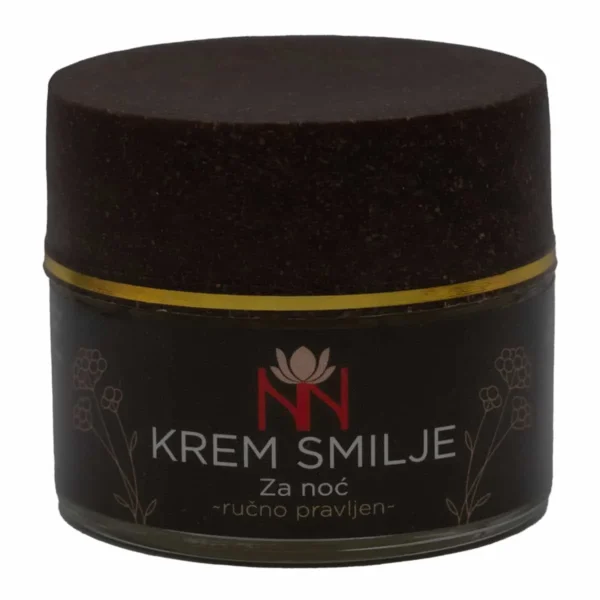
Helichrysum Night Cream
- A blend of Helichrysum, almond, olive, wheat germ, calendula, and lavender oils
- Rich and rejuvenating night cream
- Effective nighttime protection and care for all skin types
- Prevents and reduces signs of aging
- Relaxing scent of natural oils
- Handcrafted in small batches
Explanation: This category covers Nights 3 and 4 of skin cycling, but you’ll also use a hydrating product every morning. The goal is to give your skin maximum hydration, nourishment, and barrier support so it can recover from the previous treatments. We can break products into two groups: serums (light formulas packed with humectants and vitamins) and creams/occlusives (thicker formulas that lock in moisture and replenish lipids).
How to choose: Ideally, in your recovery routine you use both a humectant serum and an emollient/occlusive cream. Humectants (like hyaluronic acid, glycerin, urea) draw water into the skin, while emollients/occlusives (like natural oils, squalane, shea butter, dimethicone, petrolatum) keep that moisture locked in and help repair the lipid barrier. Look for products with ceramides too, they’re key building blocks of the skin’s barrier and help heal damage. Also beneficial are niacinamide (soothes inflammation, strengthens the barrier), panthenol (vitamin B5, restores and hydrates), allantoin, and calming extracts like Centella asiatica (Cica), which calms irritation and promotes healing. For very dry skin, a few drops of oil (e.g., squalane or jojoba oil mixed into your night cream) can give extra boost.

Try Skin Cycling for Healthier, Glowing Skin
Skin cycling is a thoughtful, expert-backed approach to skincare that combines the best of powerful active ingredients with the wisdom of giving your skin time to recover.
The great thing about skin cycling is that it doesn’t matter whether you’re a total beginner in the skincare world or already have dozens of bottles on your shelf, this concept can be applied at your level.
For beginners, it brings clarity and confidence that you’re doing the right thing for your skin; for more advanced users, it offers a framework to organize potent formulas even better (or even to take a break and check if you’ve been overdoing it somewhere).
Try skin cycling and share your experience in the comments.
With patience and proper use, you’ll notice positive changes very quickly. Happy cycling!