
Skin Barrier First: Why This Trend Will Define 2026
What You Need to Know About the “Skin Barrier First” Trend
“Skin Barrier First” is a new approach to skincare that puts a healthy skin barrier front and center. Unlike previous years when we chased instant glow with aggressive peels and strong acids, today the emphasis is on calm, resilient, clear, and healthy skin.
If we must “look to the future,” the goal for 2026 will be achieving balanced and protected skin that tolerates products well, instead of constantly pushing it to the edge of irritation.
This shift in focus isn’t random. It’s been shaped by the experiences of dermatologists and users who’ve witnessed the consequences of overusing strong active ingredients. It seems like we’re taking a step backward with modern cosmetics ideology, but actually, we’re returning to the basics.
WHY the “Skin Barrier First” Trend Became Popular Right Now
The reason for this trend’s sudden surge in popularity lies in the fact that knowledge about the damage caused by excessive and thoughtless skincare has accumulated over the past few years.
Dermatologists are using every platform to report how they’re increasingly seeing young patients with damaged skin barriers due to uncontrolled use of strong retinoids and acids. Many teenagers and adults were using multiple aggressive products daily, believing this would solve imperfections faster, but paradoxically, they created an even bigger problem.
Although dermatologists warn us that frequent use of potent ingredients can truly compromise the skin’s barrier, leading to increased sensitivity and irritation, modern brands have only one policy, and that’s sales.
This realization led to a “sobering up”: both doctors and consumers understood that glowing skin means nothing if the skin is destroyed, and we can freely say we know where we stand on that map of blindly following trends.
Why Are We Addressing This Topic in 2026?
Entering 2026, barrier-focused skincare is already becoming mainstream, not just a seasonal trend. What was once reserved for enthusiasts and experts is now returning to the mainstream: long-term barrier strengthening is shaping product formulations and routines across the skincare industry. December is certainly a “pivotal” month for this, as barrier problems are most visible in winter: flaking, redness, excessively dry or oily skin, etc.
However, “barrier care” is no longer seen as a solution just for the “winter period”. It has evolved into a year-round skincare strategy.
This trend also reflects a changed philosophy: instead of asking “what all can I strip from my skin?“, we’re now asking “what does my skin need to stay strong?” This doesn’t mean abandoning active ingredients, but using them smarter, careful dosing, combining with soothing formulas, and introducing “recovery days” into your routine instead of daily active ingredient use.
That’s precisely why brands have started highlighting products that support the barrier (ceramides, gentle pH, microbiome balance), and users are embracing minimalism in skincare for healthier skin in the long run.
In short, after an era of excess, we’re now returning focus to the foundation of healthy skin – its barrier, which will define skincare in 2026.
What Actually Is the Skin Barrier
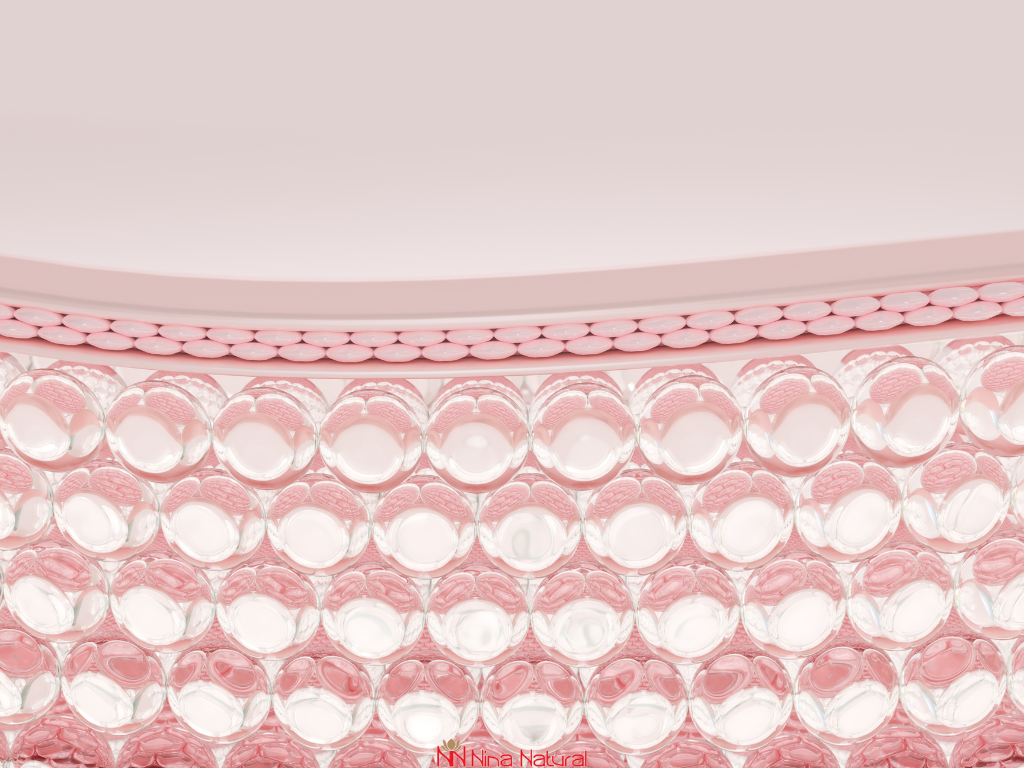
The skin barrier is the outer protective layer of skin, also known as the stratum corneum (the horny layer of the epidermis). We can imagine it as a wall made of “bricks and mortar“: skin cells are the bricks, and between them are lipids (fats, ceramides, cholesterol) that hold them together. This wall has a crucial role: it retains moisture in the skin and prevents harmful substances from penetrating inside.
In a healthy state, the barrier is selective: it allows beneficial substances (e.g., water and active ingredients from products) through while blocking irritants, allergens, bacteria, and pollutants. It also maintains the skin’s slightly acidic pH value and hosts beneficial microorganisms that are part of the skin’s defense system.
When we talk about barrier structure, it’s important to know that it consists of corneocytes (dead cells on the skin’s surface) connected by a protective lipid layer. There are also natural moisturizing factors (NMF – amino acids, urea, lactic acid) as well as the microbiome, a community of good bacteria on the skin. All of this together forms one physical and immunological shield that recognizes and repels attackers from the external environment.
Therefore, the skin barrier is our body’s first line of defense: it protects us from everyday environmental aggressors while simultaneously keeping skin soft and hydrated.
Why Is It Important to Protect Our Skin’s Barrier?
A healthy skin barrier functions like a solid wall – it locks moisture into the skin and prevents harmful substances from penetrating. A damaged barrier is like a wall full of cracks: excessive water loss occurs, and allergens, irritants, and microbes penetrate the skin more easily. The result is dry, rough, and irritated skin prone to inflammation. Specifically, when the protective “mortar” gives way, too much moisture evaporates from the skin, leading to dehydration, flaking, and a feeling of tightness. Simultaneously, external substances, from pollen and dust to cosmetic ingredients, can enter through these cracks and cause inflammatory reactions, redness, and itching.
If the barrier is seriously compromised, the skin loses its natural resilience.
Then even products we previously tolerated can cause stinging and irritation, because the barrier no longer filters well enough. A compromised barrier also increases the risk of infections: bacteria and fungi penetrate more easily, so secondary infections may occur or conditions like eczema or acne may worsen.
A preserved barrier is a prerequisite for hydrated, calm, and healthy skin, while a damaged barrier leads to a vicious cycle of dryness, inflammation, and hypersensitivity. That’s why it’s essential to protect and restore it through proper care. This is where the essence of the “Skin Barrier First” approach lies.
10 Signs of Damaged Facial and Body Skin Barrier
How can you recognize that your skin barrier is compromised? Here are ten typical signs indicating a weakened protective skin layer:
- Dry skin and flaking: Skin loses moisture and often peels. Lack of natural oils leads to rough texture and visible flakes. There’s often a feeling that the skin is “paper dry” to the touch.
- Itching and feeling of irritation: Due to dryness and inflammation, skin may itch persistently. Itching is a signal that the barrier isn’t retaining enough moisture and that nerve endings in the skin are reacting to irritants. Scratching only further damages the barrier.
- Redness: A damaged barrier allows easier penetration of irritants that trigger inflammatory reactions, so skin often appears red or inflamed. Redness can persist longer than usual after contact with products or weather conditions.
- Feeling of tightness or stinging: Skin may feel tight, as if it’s too small for your face, especially after washing. Stinging may also occur when applying even mild products, which wasn’t the case before. These signs indicate that the barrier is damaged, so skin reacts even to substances that are common bases in cosmetic products – natural oils, panthenol, urea, etc.
- Increased sensitivity to products: Preparations you previously tolerated (e.g., mild lotion or cream) may now cause stinging or rash. A weakened barrier means skin more easily becomes hypersensitive to fragrances, preservatives, and other ingredients that are common bases in cosmetic preparations.
- Frequent pimples or acne: Paradoxically, even dry irritated skin can suffer from breakouts. When the barrier is compromised, skin may react with inflammation and clogged pores. Acne can suddenly appear that isn’t just the result of “oiliness,” but also an inflammatory process due to a weaker barrier.
- Rough texture and grayish complexion: Skin loses that healthy glow. Due to increased moisture loss and flaking, the complexion appears lifeless, grayish, or uneven. The skin’s surface may feel uneven to the touch, without usual smoothness.
- Uneven complexion or discoloration: Barrier damage can lead to minor inflammations that afterward leave dark spots or marks (post-inflammatory hyperpigmentation). Also, redness can transition into permanent spots or patches if skin is frequently irritated.
- Appearance of fine lines and wrinkles: Skin dehydration due to a weaker barrier makes fine lines and wrinkles more noticeable faster. Skin loses fullness, so expression lines become more pronounced. Experts warn that chronically damaged barrier can thin the skin and accelerate its aging. Paradoxically, excessive use of strong “anti-aging” products can lead to faster wrinkle formation.
- Loss of elasticity and firmness: Healthy skin easily returns to position when you pinch it, but with a compromised barrier, you’ll notice that skin “bounces back” slower when touched. This is a consequence of dehydration and lack of lipid components that normally maintain skin’s firmness.
If you recognize multiple of these symptoms, there’s a high probability that your skin barrier is compromised and it’s time to adjust your routine to a “barrier first” approach.
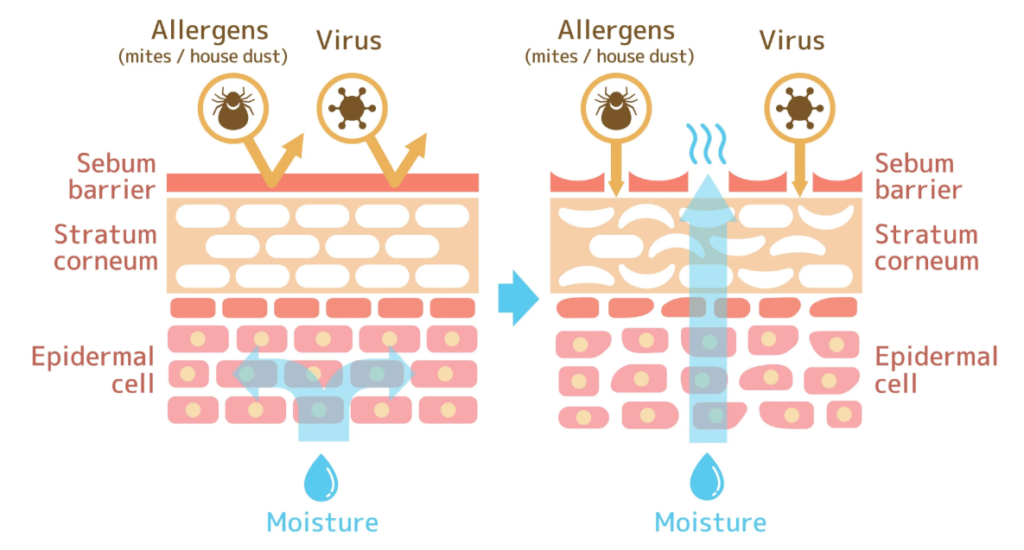
Image source: https://skinlibrary.co.uk/blogs/librarian-edits/skin-barrier
What Kind of Cosmetics Protect Our Skin’s Barrier?
The best friends of our skin barrier are products that cleanse and care in a gentle yet effective way, with minimal disruption to natural balance. Here are key characteristics of such cosmetics:
Gentle cleansers: Choose non-aggressive cleansers without sulfates (SLS) and alcohol that won’t “degrease” skin to “squeaky clean.” Too much foam and strong fragrance aren’t signs of thoroughness, but often indicate the presence of strong detergents that strip the skin’s protective lipids. Ideal cleansers are pH-neutral or slightly acidic, fragrance-free, and leave skin clean but soft (i.e., without a feeling of tightness after washing, which is a sign that the barrier remains intact).
Moisturizers rich in lipids: After cleansing, it’s crucial to replenish moisture and strengthen the “mortar” between cells. Creams or lotions with ceramides, cholesterol, and fatty acids help fill gaps in the barrier and retain water in the skin. Ceramides are especially important. They’re natural fats in the skin that hold stratum corneum cells together. Application of ceramides improves barrier function in dry and sensitive skin, especially in skin prone to eczema. Besides ceramides, welcome ingredients in moisturizers are hyaluronic acid (binds water in skin), glycerin, and urea (humectants that moisturize skin). These ingredients ensure that skin remains nourished and elastic.
Niacinamide and panthenol: These are vitamins in service of the barrier. Niacinamide (vitamin B3) is a multi-hero. It soothes inflammation, encourages skin to produce more ceramides itself, and strengthens barrier function. Panthenol (provitamin B5) also soothes irritation and supports healing, so it’s common in products for sensitive skin. Preparations rich in these ingredients simultaneously hydrate and accelerate recovery of the damaged protective skin layer.
Formulas without potential irritants: Cosmetics that protect the barrier are usually without added fragrance components, dyes, and strong preservatives that can cause irritation or allergies on sensitive skin. Dermatologists recommend fragrance-free products for everyone with sensitive or compromised barrier, because perfumes (whether synthetic or essential oils) often cause inflammation and worsen eczema. Also, avoid preparations with drying alcohols (like denatured alcohol in toner) and harsh detergents. They can negate all hydration efforts. In short, less is more: a shorter ingredient list, without unnecessary additions, often means lower risk for the barrier.
Best Natural Ingredients for Barrier Restoration
Nature offers us numerous ingredients that can help regenerate the protective skin layer. Below we highlight some of the most effective natural options, from the Mediterranean plant helichrysum, through nourishing plant oils, to natural sources of ceramides, which the cosmetics industry is increasingly using in the spirit of the “Skin Barrier First” trend:
Helichrysum (Helichrysum italicum): This precious plant, also known as “immortelle” or “everlasting,” has been traditionally used for centuries for wound healing, against inflammation and skin irritation. Helichrysum contains unique active components, among which neryl acetate stands out. The latest scientific research has confirmed that helichrysum essential oil stimulates genes responsible for forming a healthy skin barrier and ceramide synthesis.
In laboratory tests, helichrysum extract enhanced production of proteins like involucrin (important for forming the firm “horny shell” of skin) and increased levels of total lipids and ceramides in skin. Practically, this means helichrysum accelerates damaged barrier recovery, makes skin stronger, more elastic, and more resilient. Additionally, helichrysum has antioxidant and anti-inflammatory properties that further soothe redness and irritation on skin. Thanks to all these benefits, helichrysum has emerged as a star of natural skincare in 2026, and we often find it in creams and serums for skin regeneration.
It’s no wonder that domestic cosmetics with helichrysum became so popular so quickly!
Natural non-comedogenic oils: Plant oils can be powerful allies of the skin barrier, but it’s important to choose ones that don’t clog pores (non-comedogenic) and have proven beneficial effects. Sunflower oil is an excellent example, rich in linoleic acid, it’s been shown to improve barrier function and skin hydration without causing redness or irritation. In one study, applied to skin for four weeks, sunflower oil didn’t damage the barrier but preserved stratum corneum integrity and even increased skin moisture, unlike olive oil which worsened the barrier and caused mild redness. So, not every oil is the same: oils rich in linoleic acid like sunflower, safflower, or sesame help skin retain moisture and have an anti-inflammatory effect.
Besides sunflower, jojoba, rosehip, grapeseed, and sweet almond oils are also highly valued. These oils are also non-comedogenic, rich in essential fatty acids and vitamins, and help skin become softer with minimal risk of pore clogging.
For extremely dry skin or skin prone to eczema, virgin, cold-pressed coconut oil is often recommended because it has natural antimicrobial properties and can reduce the number of harmful bacteria on skin while improving hydration. However, coconut oil should be used cautiously on acne-prone faces (can be slightly comedogenic), so it’s better to use it on the body or areas prone to eczema. All in all, choosing the right natural oil can provide skin with necessary lipids and reduce inflammation, promoting natural barrier restoration.
Natural ceramides: Ceramides are already mentioned as a building element of the skin barrier, and it’s interesting that plant sources of ceramides (“phytoceramides“) also exist. For example, extracted from rice, wheat, or similar sources, phytoceramides have a similar structure to those in our skin. Oral phytoceramide supplements can improve skin hydration and strengthen the barrier from within, and topical application of ceramides (whether synthetic identical to natural ones or from plant sources) excellently affects filling cracks in the skin barrier and accelerates its recovery.
Natural sources of ceramides include wheat germ oil and shea butter. Although shea butter doesn’t literally contain ceramides, it’s rich in triglycerides and fatty acids that supplement the lipid barrier similar to ceramides. Some plant extracts (e.g., rice bran extract) are also rich in ceramides and are used in cosmetics to strengthen the barrier and soothe inflamed skin. The essence is that we can help skin by externally delivering materials it naturally loses, and ceramides are certainly at the top of that list.
In short, helichrysum, selected plant oils, and ceramides represent the holy trinity of natural skin allies in this trend. Relying on science and tradition, these ingredients help the barrier recover without aggression, returning skin to its natural protection and balance.
How to Combine Active Ingredients Without Damaging the Skin Barrier
One of the key principles of the “Skin Barrier First” approach is thoughtful use of active ingredients in skincare so we get their benefits without compromising the barrier.
Here are several guidelines for safely combining retinol, acids, vitamin C, and other “strong” ingredients in your routine while keeping skin healthy and protected:
Introduce gradually, one active ingredient at a time: Don’t start with multiple new strong products simultaneously. If you want to introduce, say, retinol and AHA acid, start with one first, use it for several weeks, then only afterward (if skin tolerates well) add the second. With this approach, you’ll more easily notice what causes potential irritation and give skin time to build tolerance.
Don’t mix incompatible active ingredients in the same step: Certain combinations are too harsh for the barrier if applied together. For example, never apply strong acid (AHA/BHA) and retinol simultaneously. That’s a recipe for irritation even on resilient skin. Both ingredients are potent and together can cause strong flaking, stinging, and skin inflammation. Instead, use them alternately (retinol one evening, acid another, or even less frequently as needed).
Similarly, vitamin C (ascorbic acid) and niacinamide, it’s better to apply them separately (e.g., vitamin C in the morning, niacinamide in the evening), because under certain circumstances they can react and irritate skin. Always inform yourself about which active ingredients don’t go together and separate them by days or parts of the day to reduce stress on the barrier.
Reduce frequency of strong actives use: It’s very rarely necessary to use strong chemical peels daily or retinol every night. Moreover, such frequency leads to chronic micro-inflammatory skin condition. Adopt the concept of “slow skincare.” For example, do exfoliation (acid peels or retinoids) only 1-2 times weekly. On other days, focus on hydration and repair.
This rhythm, also known as “skin cycling,” allows skin to recover between “treatment” days. Dermatologists notice that by rotating active and “rest” days, skin achieves better results without irritation, because it has time to restore lipids and pH balance. Remember: consistency over weeks gives better and more lasting results than intense use over a few days that literally burns the barrier.
“Buffer” technique: soften retinol and strong acids with moisturizer: If you have sensitive skin or are just starting with retinol, you can apply the so-called “sandwich method“: apply a layer of mild moisturizing lotion before and after retinol. First, moisturizer prepares the skin and slightly dilutes retinol penetration, then retinol is applied, and then another thin layer of cream over it locks in moisture. This procedure significantly reduces the likelihood of irritation and flaking, and retinol still works over time. You can apply the same logic with acids: after AHA peels, definitely apply a rich soothing cream or mask to neutralize dryness. Never apply actives on “bare” skin that already shows signs of irritation. Always provide some form of protective base or barrier (whether it’s ceramide cream or oil serum) when using strong treatments. This “buffer” strategy helps active ingredients be effective while your barrier remains intact.
Definitely use SPF cream every day: Many active ingredients (like retinol, AHA/BHA acids, and vitamin C) can make skin more sensitive to the sun. UV radiation by itself damages the skin barrier, so it’s doubly important to protect skin when using these products. Dermatologists insist on daily SPF cream (SPF 30 or higher) as part of every routine, especially with “more aggressive” treatments. This prevents the weakened barrier from suffering an additional blow from harmful rays.
Also, SPF cream with zinc oxide or titanium dioxide can physically soothe skin (these mineral filters are gentle) while providing protection. Never do chemical peels or apply retinol if you’re not prepared to protect skin from the sun. This defeats the purpose, because with inflammation and UV damage you’ll regress more than you gained benefit. So, SPF is an indispensable barrier shield throughout the day.
Listen to your skin and adjust your routine: Every skin is its own story. If you notice signs of barrier damage (like those listed above), take a break from aggressive products and focus on restoration. In practice, this means several days or weeks using only the most basic: gentle cleansing, abundant hydration and protection, until skin calms down. Only then gradually reintroduce active ingredients.
Also, less is more: you may not need five different acids and serums. Combine only those with proven benefits and prioritize quality over quantity of products. One well-formulated niacinamide serum + one retinol cream + one acid occasionally are more than sufficient in an effective rotation, with plenty of hydration in between.
By adhering to these principles, you can continue enjoying the advantages of modern cosmetic achievements (like retinol for wrinkles or acids for even complexion) while preserving your skin’s health and resilience. The key is balance and listening to your skin. If you’re unsure how to achieve balance for your skin type, it’s important to consult a dermatologist before you “take matters into your own hands.”
Why Handmade Cosmetics Have an Advantage Over Industrial in the “Skin Barrier First” Trend
As part of the skin barrier preservation trend, many are turning toward more natural, handmade cosmetics, believing they better meet sensitive skin’s needs. There are good reasons for that assumption: handmade cosmetics most often use simpler formulas with fewer ingredients, often without aggressive chemicals that can compromise the barrier.
Large industrial manufacturers sometimes use ingredients that aren’t ideal for sensitive skin due to mass production and long shelf life. For example, strong preservatives, detergents, or fragrances. One classic example is the presence of sodium lauryl sulfate (SLS) in many commercial cleansers and creams. SLS is an effective ingredient, but it’s also a known skin irritant: research has shown that regular SLS application can thin the stratum corneum, increase transepidermal water loss, and accelerate inflammatory processes in skin. British health authorities issued a warning as early as 2013 that creams with SLS can cause irritation and their use as emollients is not recommended. In contrast, many handmade formulas deliberately avoid SLS and similar strong surfactants, opting for gentler, plant-based surfactants or cold-process soaps that retain glycerin. This achieves cleansing with less barrier disruption.
Also, handmade cosmetics usually don’t contain synthetic fragrances. Scent comes from natural essential oils in low concentrations (or there’s no scent at all). Lack of strong fragrances and unnecessary fillers means lower risk of allergic reactions and irritation. Handmade cosmetics are often produced in smaller batches, so manufacturers can afford to use gentler preservatives or self-preserving substance systems (like adding extracts that prevent microbes) instead of potentially problematic parabens or formaldehyde-releasing ingredients. The result is a product that’s fresher, cleaner in composition, and therefore ideal for sensitive skin and its healthy barrier.
Another advantage of handmade cosmetics is the tendency toward nourishing, unrefined raw materials. For example, many industrial lotions are based on mineral oil (which isn’t harmful but not nutritious either), while “handmade producers” prefer to use cold-pressed plant oils rich in essential fatty acids (like helichrysum oil, grapeseed, almond, jojoba).
Of course, it should be noted that “natural” doesn’t automatically mean perfect: plant products can also contain potential irritants (e.g., some essential oils if in high concentration). But the essence is in formulation. Handmade cosmetics in the spirit of “skin barrier first” aim for minimalist recipes that include only what skin needs for recovery and nothing more that could burden it. Many appreciate this philosophy of “clean, simple care,” especially after bad experiences with overly complex drugstore preparations.
Finally, it’s worth mentioning that for smaller brands and artisan producers, helichrysum and similar expensive natural extracts often represent the main advantage, they add them to products in high concentrations, while mass cosmetics sometimes have only symbolic amounts of such ingredients due to cost. So if you’re looking for helichrysum-rich cream, there’s a greater chance you’ll find it from a specialized, handmade brand than on a supermarket shelf.
In the context of the “Skin Barrier First” trend, the advantage of the handmade approach is reflected in: consciously avoiding known harmful chemicals for skin barrier, using proven natural ingredients, and focusing on quality instead of quantity. This achieves maximum nourishment and skin protection instead of potential irritation. Of course, not all commercial cosmetics are bad, nor is all natural cosmetics excellent, but this trend reminds us to read ingredients and choose options that will treat our skin most gently.
How to Introduce a “Skin Barrier First” Routine at Home Without Spending Much Money
One of the beauties of the “Skin Barrier First” approach is that it doesn’t require luxurious or numerous products. In fact, you often save money by reducing care to basic, effective steps. Here are practical tips for caring for your skin at home following this trend while staying within budget:
Simplify routine to key steps: You don’t need ten steps of care! Focus on 3 to 5 well-chosen products that will form the backbone of your routine. For example, morning can look like this: gentle cleanser, hydrating serum or essence (optional), light ceramide cream, and SPF cream. Evening: gentle cleansing, possibly one active treatment (e.g., vitamin C), then nourishing barrier cream. This approach saves money because you’re buying fewer products, and skin often appreciates not being buried under excessive layers.
Choose affordable yet effective formulations: For every step, there are accessible “drugstore” options that are quality. For example, many pharmacy or drugstore moisturizers contain ceramides, glycerin, and niacinamide, and cost reasonably.
Use kitchen ingredients, but smartly: Some of the best barrier “allies” may already be within reach. For example, pure sunflower oil (cold-pressed, unrefined for salads) can serve as an excellent body oil after showering. Similarly, oatmeal (colloidal oat bath) can soothe irritated skin. Aloe vera gel (100% pure, without alcohol) is also an accessible way to hydrate and soothe redness after sun or irritation. These DIY methods are economical, but always be careful that ingredients are pure and you’re not personally allergic to them.
Invest in prevention, not expensive “fixes”: It’s easier (and cheaper) to maintain a healthy barrier than to repair a damaged one. Therefore, the cost of a few thousand dinars quarterly on quality SPF or quality face cream from the start prevents having to invest later in remedying consequences (eczema creams, spot removal treatments, etc.).
The biggest secret is regular hydration and sun protection. You don’t have to buy luxury serums if you disciplinedly use SPF cream and gentle cosmetics suited to your skin type.
Follow verified sources and educate yourself: Today there are many “hype” products online promising miracles (often expensive). Let’s get back to basics. Trust dermatological recommendations and scientific studies before believing marketing. Read ingredients: often a $10 cream will have an identical key ingredient as a $50 one. Brand isn’t always a guarantee of quality; it’s more important that the formula contains what skin needs (e.g., ceramides, urea, panthenol) and doesn’t have what harms it (alcohol, fragrance, etc.). There are many free resources available that can help you find affordable yet safe products. By investing time to learn what skin truly needs, you’ll save money in the long run because you won’t randomly buy wrong things.
Finally, a “skin barrier first” routine doesn’t mean you should throw away all your serums with active ingredients, but that you should use them more wisely, based on a strong foundation of gentle cleanser, quality hydration, and SPF protection. With a few proven, affordable products and home tricks, you can achieve healthy, glowing skin.
This is a trend that actually brings skincare basics to the forefront, making it accessible to everyone. Dermatologists agree: when the skin barrier is strong, everything else works better, active ingredients are more effective, complexion looks better, and you spend less “putting out fires” on your skin.
That’s why we enter 2026 with a simple but powerful motto: first protect, then care – beauty comes as a reward at the end.