
How to Care for Chapped Skin on Your Hands
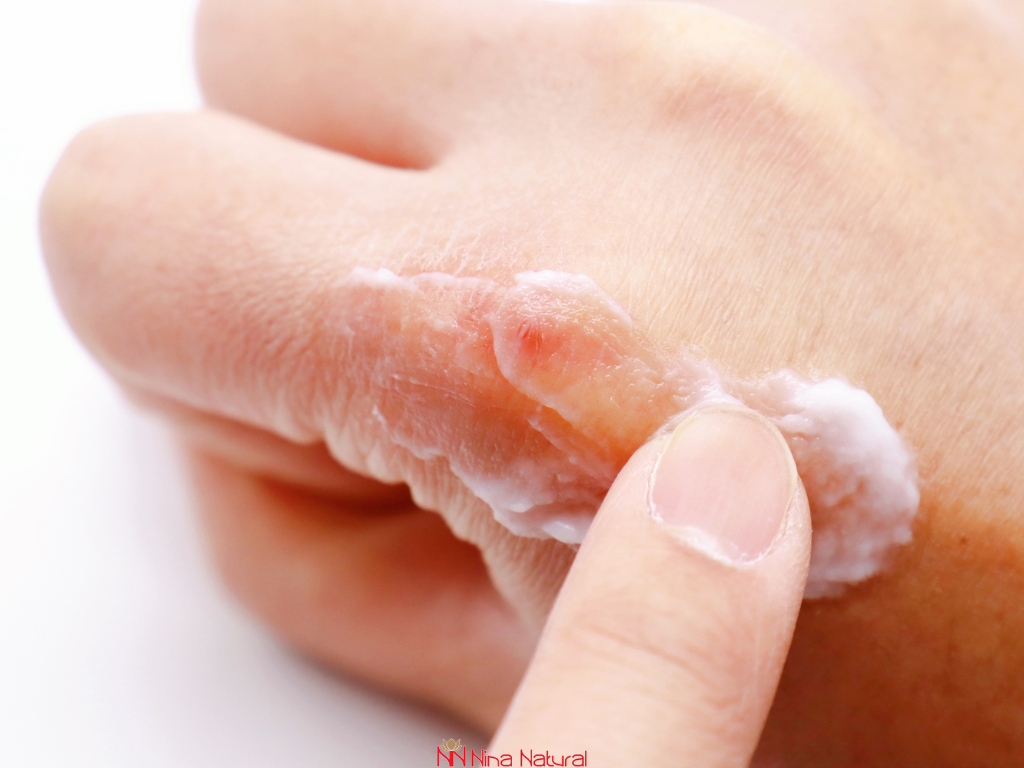
Dry and chapped skin on hands is a common problem, especially during the cold winter months or due to frequent hand washing.
The skin becomes rough, tight, and prone to flaking, which can be uncomfortable and even painful. The sensation of stinging, tightness after washing, dry flakes collecting between fingers, and even small wounds are all signs that your hands need attention.
Hands are exposed daily to external influences: cold, wind, water, soaps, disinfectants, and household chemicals.
Unlike our face, we often don’t care for them in the same way, even though they’re constantly in motion. Besides being our primary tool for touch, work, and caring for others, hands are also one of the first places where fatigue, neglect, and skin aging become visible.
The good news? With proper care, you can make your hands soft, smooth, and pleasant to the touch again.
All it takes is a little attention, a few healthy habits, and the right choice of ingredients in creams.
Because well-cared-for hands aren’t a luxury, they’re a sign of daily self-care.
Why does hand skin become dry and chapped?
Hand dryness usually isn’t the result of just one cause, but rather multiple factors that affect the skin together each day. These are the most common reasons why skin loses moisture, becomes sensitive, and starts to crack:
Cold weather and dry air
In winter, the air becomes cold and dry with very little humidity, which affects not only hands but also face and body. Such conditions pull water from the skin, so hands quickly become dry and rough.
Wind and sudden temperature changes create an additional problem, like going from the cold into a warm room. Even dry air in heated spaces further dries out the skin, especially if it’s already sensitive.
Hot water and frequent washing
Warm or hot water removes natural oils from the skin. If you frequently wash your hands with hot water or keep your hands in water for long periods (washing dishes, showering), the skin’s protective layer is damaged and moisture quickly disappears.
Alcohol-based disinfectants further dry out the skin, especially if protective cream isn’t applied after use.
Harsh soaps and chemicals
Many soaps, detergents, and cleaning products contain aggressive ingredients that strip natural oils from the skin.
If hands come into contact with these substances without protective gloves, drying and irritation quickly occur. Soaps with fragrances, alcohol, or strong foaming agents can further worsen the condition, especially if used frequently.
Lack of care and hydration
If you don’t care for your hands regularly, they easily become dry, rough, and sensitive.
Applying cream after each wash is an important step that’s often skipped, and without it, the skin remains unprotected and quickly loses moisture. Hands, especially the backs of hands, have fewer sebaceous glands, so they naturally produce less oil that retains moisture.
That’s why they need additional care, more often than we think.
Internal factors and sensitive hand skin
What comes from within also affects your hand skin condition. If you don’t consume enough water, vitamins, and healthy fats, the skin can become rough, dry, and prone to flaking.
Also, if you have problems with circulation, diabetes, eczema, or psoriasis, you’ve probably noticed that your hands are more often dry and chapped, regardless of external conditions.
If you notice that dryness doesn’t go away and is accompanied by redness, itching, or small wounds, we recommend consulting a dermatologist. Timely help can significantly ease recovery and prevent further complications.
Signs and symptoms of dry and chapped hand skin
Sometimes it’s not easy to assess whether your hands are just temporarily dry or need more serious care. Dry and sensitive skin can manifest through various symptoms, from mild, almost unnoticeable ones, to those that interfere with daily activities.
Symptoms vary, but these are the most common indicators:
1. Rough and tight skin
If the skin on your hands feels rough, “squeaks” under your fingers when you rub it, or looks lifeless and gray, these are the first signs that it lacks moisture. The natural softness is lost, and the skin’s surface becomes increasingly similar to dry paper or even slightly sandpaper-like.
Skin tightness is another important sign, especially if you feel it immediately after washing your hands, when you go out in cold air, or when you don’t apply cream. That feeling as if your skin is “too small” or too tight over your fingers and joints is often ignored, yet it’s precisely the early stage of drying.
If you notice that your hands are no longer soft to the touch as before, or that clothing “catches” on the rough skin surface, it’s time for additional care.
2. Flaking and peeling
Small white flakes that appear on the backs of hands, around joints, or near cuticles are a sign that the surface layer of skin is drying and beginning to peel.
At first glance, it may look like hands are neglected or “dirty,” but in reality, it’s a clear indicator that the skin lacks moisture and care.
Flaking is actually a phase in which the skin tries to cope with dehydration on its own, shedding dry cells, but without support in the form of moisturizing cream, this process remains incomplete. That’s why it’s important to react in time, so the skin can recover more easily, without creating cracks and additional irritation.
3. Cracking skin and small wounds
In more severe cases, dryness can lead to the appearance of small cracks, which most often occur on fingertips, around nails, and on joints.
These cracks may look like thin lines or small wounds, but they can be extremely uncomfortable, especially when bending fingers, touching water, or when you try to open packaging, fasten a zipper, or wash your hands.
With more pronounced dryness, cracks can even bleed, and sensitivity to touch becomes pronounced.
If you notice that your skin cracks during everyday movements, it’s a clear sign that it needs intensive hydration and protection.
4. Redness and itching
Redness on hands, especially on the backs of hands, around joints, and between fingers, may indicate mild inflammation caused by dryness.
If you feel the need to scratch your hands or if your skin occasionally “pricks” or stings, these are signals that the protective layer is damaged and the skin is oversensitive.
Many people don’t immediately connect itching and redness with dryness, but these are actually early symptoms that the skin lacks care and renewal.
Scratching further damages the skin, so it’s important to react immediately with gentle, regular care that soothes and protects.
5. Touch sensitivity
When skin becomes chapped and damaged, even everyday things like touching soap, towels, or warm water can cause stinging, burning, or a feeling of discomfort.
Perhaps you’ve experienced pain while washing your hands or avoided wearing jewelry because your skin reacts to every contact.
This is a sign that the skin has lost its natural resistance and needs additional attention, gentleness, and protection.
With regular care and patience, even sensitive skin can become stronger, more elastic, and pleasant to the touch.
How to choose the right hand cream
The wide selection of creams on the market can be confusing, but it’s important to choose one that truly meets your needs and skin condition. What to pay attention to when choosing a cream for dry and chapped hands:
Skin type and sensitivity
Dry hands can be a problem for every skin type, but it’s important to take personal specifics into account. If you have very sensitive skin prone to eczema or allergies, choose hypoallergenic creams without fragrance, they have a lower risk of irritation.
Soothing ingredients such as aloe vera and calendula oil are especially worth looking for. Calendula (Calendula officinalis) is known for soothing redness and irritation, promoting healing, and hydrating dry, chapped skin.
Creams with calendula oil are often recommended for skin that stings, itches, or is prone to cracking.

Age and skin condition
Younger skin (20–40) is usually more elastic and produces more natural oils, so lighter, fast-absorbing creams or lotions may work well, especially during the day. However, it also requires protection, especially during winter, after washing hands, or when working with chemicals.
For extremely dry, thickened, and rough skin, cream-balms (cold cream, petroleum bases) are an excellent choice, leaving a thin oily film and providing long-lasting protection. Don’t worry if the cream leaves a slight residue—with very dry skin, that’s a sign it’s doing its job.
In mature years (50+), skin naturally produces less sebum and becomes thinner, so it needs more intensive, nourishing care.
Choose thicker formulas with shea butter, almond oil, ceramides, or lanolin, which help replace lost moisture and strengthen the skin barrier.
Key ingredients
Pay attention to the composition—that’s the heart of every good cream. For dry and chapped hands, look for products that contain:
Glycerin and urea – bind water in the skin and improve hydration.
Natural oils – such as almond, jojoba, olive, or coconut.
Plant butters – like shea and cocoa butter, which nourish and soften the skin.
Among the most beneficial active ingredients are:
Panthenol (provitamin B5) – soothes, restores the skin’s protective layer, and helps retain moisture.
Calendula oil – has anti-inflammatory effects, reduces irritation, and promotes regeneration.
Immortelle oil (Helichrysum immortelle) – known in natural cosmetics for its powerful regenerative properties. It deeply nourishes the skin, soothes redness, and helps recovery of dry and sensitive skin. Due to these characteristics, it’s often found in natural hand creams adapted to winter conditions and the needs of sensitive skin.
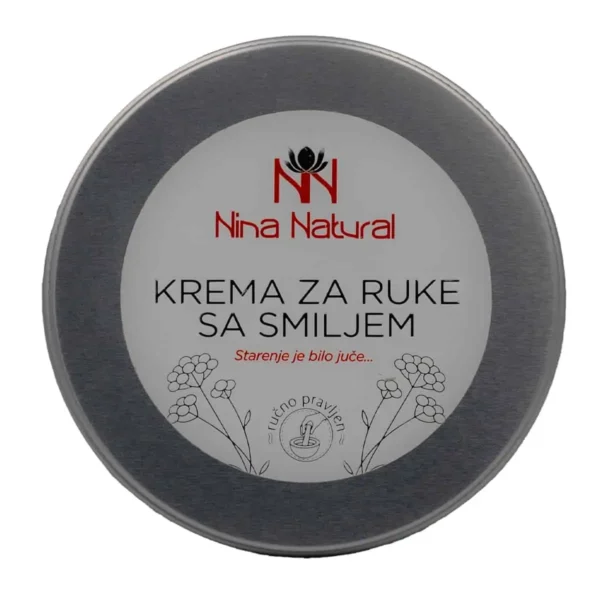
Helichrysum Hand Cream
- Contains Helichrysum oil, calendula oil, panthenol, and urea
- Free from preservatives
- Intensely hydrates and regenerates the skin of the hands
- Prevents dryness and cracking of the skin
- Handcrafted in small batches
Creams containing panthenol, calendula oil, and immortelle, combined with nourishing oils and plant butters, have proven to be extremely effective in regenerating damaged hand skin.
Day and night creams
Sometimes it’s best to have two different creams—one for day and another for night. During the day, you may prefer a light cream that absorbs quickly and doesn’t leave an oily film, especially if you frequently use a keyboard or are on the move.
For night, a richer, nourishing cream or ointment is recommended, which you can apply in a thicker layer. At night, the skin absorbs active ingredients best, so this is the ideal time for intensive care and recovery.
How to prevent hand skin drying
Knowing the causes of dry and chapped skin makes it easier to adopt a routine that will prevent them. Good care doesn’t have to be complicated, just consistent. In daily routine, a few simple habits can prevent drying and preserve skin softness. Prevention is the most effective way to keep hands well-cared-for throughout the year, especially in the winter period when they’re most sensitive.
Good care doesn’t have to be complicated—just consistent.
Wash hands properly
Frequent hand washing is necessary, but the way you do it makes a big difference. Use lukewarm water instead of hot, because high temperature further dries the skin. Choose mild, pH-neutral soaps without alcohol and strong fragrances, because aggressive ingredients remove natural oils from the skin. After washing, gently pat hands with a towel, don’t rub them roughly.
Hydration immediately after washing
One of the most important habits is to apply cream immediately after washing hands while the skin is still slightly damp. This way, the cream helps retain moisture and forms a protective layer. Keep cream in your bag, next to the sink, or on your work desk, so you’ll use it more easily several times a day.
Use gloves as protection
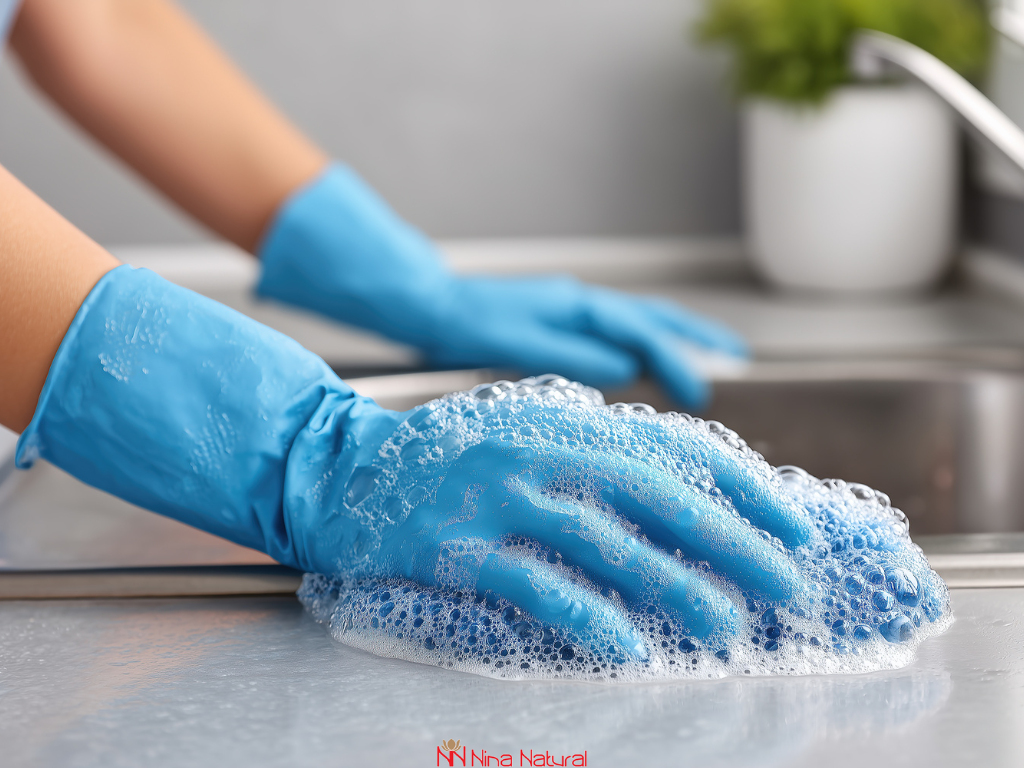
During winter months, always wear gloves outside—cold air and wind quickly pull moisture from the skin. The same applies to household chores: when washing dishes, cleaning, or using chemicals, always use rubber or protective gloves, preferably with a thin cotton layer inside. This way you’ll prevent direct contact with drying agents.
Don’t skip nighttime care
During the night, skin regenerates, so it’s the ideal time for intensive care. In the evening, apply a richer, nourishing cream or balm and let it work while you sleep. If needed, you can put on cotton gloves over the cream—this helps ingredients penetrate the skin better and prevents moisture evaporation.
Room air humidity
In winter, due to heating, the air in closed spaces becomes extremely dry. This additionally dries the skin, so it’s useful to use a humidifier in the room where you spend most time or sleep.
This helps not only hands but also facial skin and mucous membranes.
Seasonal differences in care
During winter, the focus is on richer, protective creams and mandatory use of gloves.
In summer, however, sun, UV rays, and chlorine from pools can additionally dry the skin. Then choose lighter creams that contain UV protection and absorb quickly, to prevent additional drying from sun and salt.
Care for dry and chapped skin—a routine that helps
When hands are already dry, rough, or chapped, prevention is no longer enough—targeted care and skin renewal are needed. With regular and carefully designed routine, the condition can often noticeably improve within just a few days.
Apply cream 4–6 times a day
If hands are dry or chapped, it’s ideal to apply cream after each wash, as well as in the evening before sleep, which means at least 4–6 times a day. There’s no limit—dry skin needs constant protection until it recovers.
Choose light creams for day, richer formulas for night
In the morning, use light, fast-absorbing creams that leave a pleasant feeling and protect the skin during the day.
In the evening, choose richer formulas that deeply hydrate overnight and help regeneration.
Adapt care to place and situation
At home: Apply cream after every contact with water (washing dishes, showering). Occasionally create a mini treatment—apply a rich layer of cream and wrap hands in a warm towel for 15 minutes.
At work: Keep cream in your bag or on your desk. Choose formulas that absorb quickly so you can use them without interrupting work.
Outside: Wear gloves on cold days and apply protective cream beforehand that creates a barrier against wind and low temperatures.
Introduce additional steps for seriously chapped skin
Intensive nighttime care: Apply a rich layer of balm or ointment and leave overnight.
Cuticle care: Use nail oils to prevent cracking and inflammation.
Protection from irritants: Avoid harsh soaps and detergents while the skin recovers, always use gloves.
Tips for complete hand care
Besides basic routine and cream selection, there are additional factors that can affect your skin’s health and appearance:
Nutrition and hydration from within
Don’t forget that hand skin doesn’t depend only on external care. Regular water intake, as well as foods rich in vitamins A and E, zinc, and omega-3 fatty acids (e.g., avocado, nuts, salmon, flaxseed), helps maintain moisture and skin elasticity from within.
Difference between lotion, cream, and ointment
Lotions are light in texture, contain more water, and are good for mild dryness during warm days.
Creams are thicker, ideal for daily hydration, especially in transitional seasons.
Ointments and balms contain more oil and provide intensive protection—an excellent choice for very dry or chapped skin, especially overnight.
Hidden factors that slow recovery
Besides wrong cream choice, there are habits that can worsen the condition:
- Using antibacterial gels without additional cream.
- Rough drying of hands with paper towels or using air dryers.
- Changing cosmetics too often—skin often needs consistency, not experiments.
If you avoid these common mistakes, you’ll notice improvement much faster. Often it’s enough to become aware of your habits—as soon as you change them, results on the skin become visible.
Consistent care and attention are the best way to mitigate negative environmental influences.
Conclusion
Chapped and dry hand skin isn’t just an aesthetic problem—it shows that the skin barrier is damaged and that hands are asking for additional attention.
Instead of waiting for discomfort to turn into pain, it’s better to react in time—care doesn’t have to be complicated or expensive, just regular and adapted to your habits.
The combination of proper washing, carefully selected creams, and protection from external influences gives results after just a few days.
Wearing gloves in winter, avoiding harsh soaps, and nighttime care with richer formulas can make a big difference.
Don’t forget—well-cared-for hands aren’t a sign of luxury, but of daily self-care and your health.
When hands are smooth, soft, and pain-free, even daily tasks become easier and more pleasant.