
How to Recognize the Right Face Cream as a Makeup Base
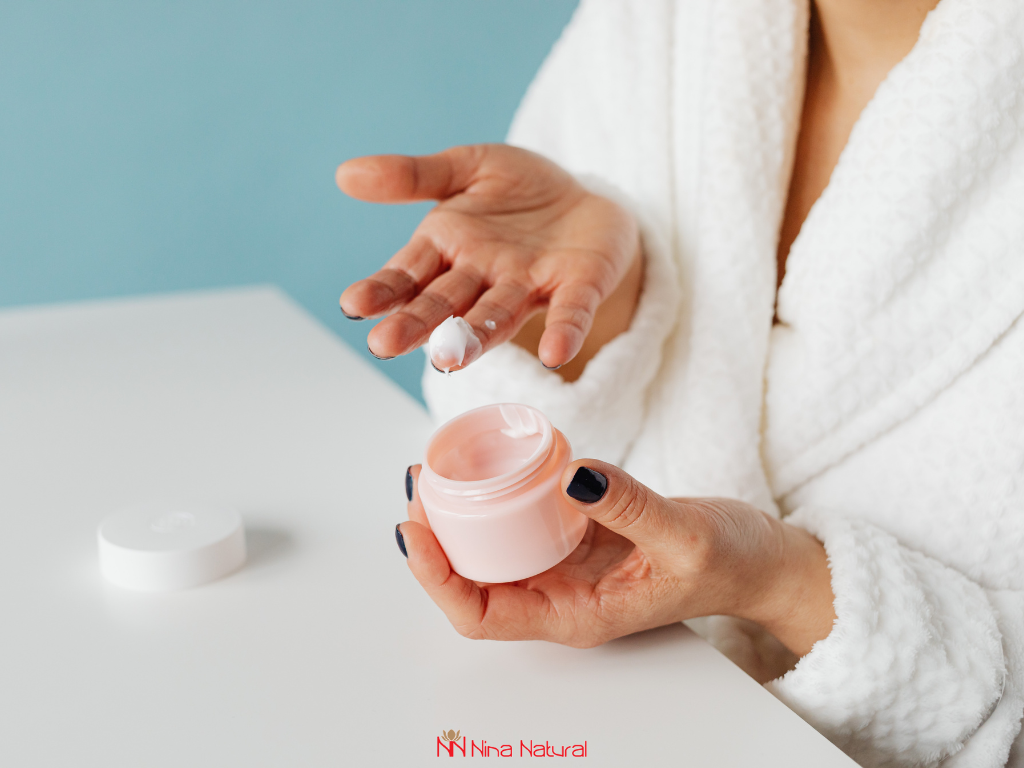
It often happens that makeup looks beautiful immediately after application, but after a short time the complexion loses its freshness.
Foundation begins to cling to dry patches, especially around the nose and cheeks, the skin starts to look uneven, and the face suddenly appears more tired than before applying makeup.
In situations like this, most people assume the problem lies in the foundation, the way it was applied, or the wrong shade selection. However, the cause is often not the makeup itself, but how the skin was prepared beforehand.
When the skin is not properly hydrated, when it feels tight, or when the skincare products being used do not suit it, makeup struggles to look natural and long-lasting. Instead of evening out the complexion, foundation tends to highlight dry areas, small imperfections, and signs of fatigue.
This is exactly why skin preparation plays such an important role in how makeup looks. Although primers are often mentioned as essential, many women actually use their daily cream as the base for makeup.
When the cream is well chosen and suits the needs of the skin, it can help foundation sit more evenly, reduce the appearance of dry patches, and keep the complexion looking fresher and more natural throughout the day.
That is why a face cream is not just another step in a skincare routine. It is the foundation that largely determines how makeup will look and how balanced and cared for the skin underneath will appear.
Can a Daily Cream Replace a Primer?
In the world of makeup, primer is often presented as an essential step before foundation. Its main role is to smooth the skin’s surface, help makeup apply more evenly, and extend its wear throughout the day.
However, in everyday routines many women actually use only a face cream as their makeup base. When the cream is well chosen and suits the needs of the skin, it can produce a very similar effect.
A good cream primarily hydrates the skin and helps it retain moisture. When the skin is sufficiently hydrated, its surface becomes softer and more elastic, allowing foundation to spread more easily and blend more naturally with the complexion. As a result, makeup clings less to dry areas and the skin tone appears more even.
The difference lies in the fact that primers usually work mainly on the surface of the skin and focus on the appearance of makeup, while a high-quality cream cares for the skin while also preparing it for makeup.
Because of this, many women who maintain a stable skincare routine often feel no need for an additional primer. When the skin is well hydrated, calm, and balanced, makeup can look natural and long-lasting even without extra layers of products.
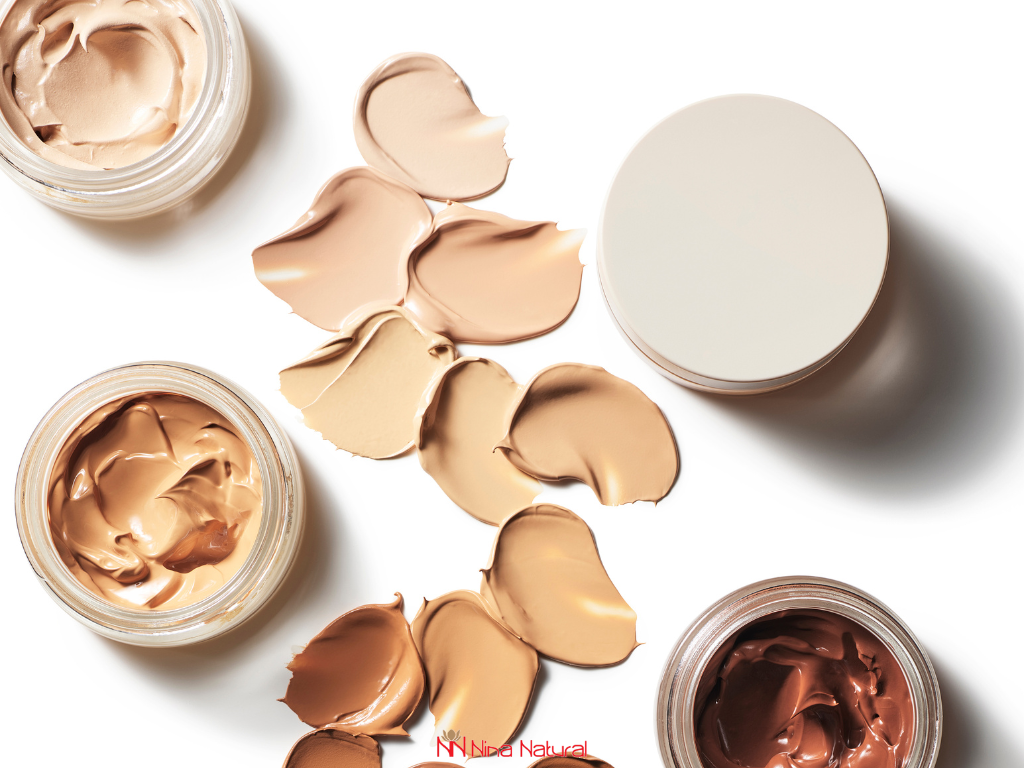
How a Good Daily Cream Affects the Appearance of Makeup
A good cream used as a makeup base should not merely create the illusion of perfect skin on the surface. Its purpose is not to cover the face, artificially smooth it, or leave behind a heavy layer on which foundation will temporarily look better. The real value of a good cream lies in how it affects the condition of the skin itself.
The foundation of every quality makeup base is hydration, but not as a short-term feeling of softness, rather as a balanced state of the skin. When the skin has enough moisture, it becomes more elastic, calmer, and more even, which naturally improves the appearance of its surface. Roughness becomes less noticeable, small imperfections appear softer, and the complexion looks more rested even without makeup.

Skin that lacks moisture does not always appear simply dry. Sometimes it feels tight or sensitive, and sometimes it can show both dryness and excess shine at the same time. This happens because hydration and oiliness are not the same thing: hydration refers to the amount of water in the skin, while sebum is the natural oil the skin produces. Because of this, even oily skin can be dehydrated.
This is where many women make the mistake of thinking they do not need a cream simply because their face looks shiny. When the skin receives sufficient moisture and support for its protective barrier, it can maintain its natural balance more easily. The face then appears calmer, softer, and more even.
Under these conditions, makeup behaves differently as well. Foundation spreads more easily, highlights dry areas less, concealer looks more natural, and the entire makeup look appears more harmonious. A good makeup base therefore does not begin with makeup itself, but with proper skincare.
How to Recognize a Daily Cream That Works Well as a Makeup Base
When a cream is used as a makeup base, it is not enough that it simply feels pleasant on the skin. It is also important how it behaves in combination with other products, especially foundation, concealer, and SPF.
A good cream for this purpose should leave the skin hydrated and even, but without a heavy layer that could disrupt makeup. This is exactly how it can be recognized—by the way it spreads, how it absorbs, and how the skin looks several hours after application.
Texture That Does Not Interfere With Makeup
One of the first signs that a cream will work well as a makeup base is its texture. The cream should spread easily and distribute evenly across the face, without leaving white streaks, clumping, or the feeling that it gathers under the fingers.
If the texture is too heavy or greasy, there is a greater chance that foundation will slide across the face or separate during the day. On the other hand, if the formula is too light and disappears quickly from the skin, it may not provide enough hydration, which can cause makeup to cling to dry patches.
A good makeup base usually leaves the skin softer and more even, but without oily shine or a heavy feeling.
How the Cream Behaves After Absorption
It is also important how the cream behaves a few minutes after application. It does not have to absorb completely within seconds, but it should settle enough for the skin to remain smooth and ready for the next step in the routine.
If a sticky or slippery layer remains after application, makeup will be harder to distribute and more likely to move throughout the day. When the cream is well balanced, the surface of the skin becomes even and receptive to foundation, allowing makeup to blend more naturally with the complexion.
Skin Stability Throughout the Day
The quality of a cream becomes most noticeable during the day. A good makeup base should not cause the face to quickly become excessively oily, tight, or uneven.
If the cream suits the skin, makeup usually remains more stable. Foundation gathers less around the nose, chin, or forehead, and the complexion maintains a tidy appearance for a longer period of time. At the same time, the skin feels comfortable and pleasant, without heaviness or congestion.
It is also important to keep in mind that skin stability largely depends on the natural microbiome of the skin, which plays a key role in protecting the skin and maintaining its resilience.
Compatibility With the Rest of the Routine
A cream used as a makeup base must also work well with the other products applied afterward. In the morning, it is usually applied after cleansing and possibly a serum, and before sunscreen and makeup.
If the cream does not combine well with SPF or foundation, clumping, product pilling, or an uneven complexion may occur. When the formula is well balanced, as is often the case with natural formulations such as immortelle face cream, the skin receives hydration and a stable base on which makeup looks more natural.
For this reason, a good cream as a makeup base can be recognized not only by how it feels on the skin, but also by how well it works within the entire morning routine.
How to Choose a Daily Cream That Can Replace a Primer Based on Skin Type
There is no single cream that works perfectly for everyone, especially when used as a makeup base. Every person’s skin has its own needs, and its condition can also change depending on the season, stress levels, or lifestyle.
That is why it is important to choose a cream that suits your skin type and that can create a stable, even surface on which makeup will look natural.
Cream for Dry Skin
Dry skin often feels tight, rough to the touch, and prone to flaking, especially around the nose, cheeks, and forehead. When makeup is applied to this type of skin, foundation easily clings to dry patches and instead of evening out the complexion, it emphasizes the problem.
For this reason, dry skin usually benefits most from a more nourishing cream that softens the surface of the face and provides long-lasting comfort. However, it is important that the formula does not leave a heavy or greasy layer. When the cream is well balanced, the skin becomes softer and more elastic, allowing foundation to spread more evenly and look more natural.
A good sign is when the face looks hydrated and smooth after application, but not slippery.
Cream for Oily Skin
Oily skin often has increased shine, especially in the T-zone, which is why many women believe it does not need a cream. This is one of the most common misconceptions. Oily skin also needs hydration, because without it the skin may produce even more sebum.
For oily skin, lighter creams that hydrate without leaving a greasy film usually work best. When the formula is well chosen, the face appears fresh and even, and makeup has a more stable base.
If the skin remains too slippery or shiny after application, there is a high chance that foundation will not stay in place during the day.
Cream for Combination Skin
Combination skin can be challenging because different parts of the face have different needs. The T-zone often tends to be shinier, while the cheeks may be drier and more sensitive.
For this reason, it is important to find a cream that brings balance. The ideal formula hydrates the drier areas of the face while not overloading the zones that become oily more quickly.
When the cream is well chosen, makeup behaves more evenly across the entire face and separates less between different areas.
Cream for Sensitive Skin
Sensitive skin can react with redness, tingling, or a sensation of warmth, even when a product appears gentle. When the skin is irritated or reactive, this often immediately affects how makeup looks.
That is why sensitive skin benefits most from simpler and gentler formulas that provide a feeling of calmness and comfort. When the skin is calm and stable, makeup looks more natural because there is no redness or tension that foundation struggles to fully conceal.
How to Properly Apply Cream Before Makeup
Even a high-quality cream will not always produce good results if it is not applied correctly. The method of application affects how well the cream absorbs and how makeup will later look on the skin.
The first step is clean skin. If the face is not properly cleansed, traces of previous products, sebum, or impurities may remain on the surface, preventing both the cream and makeup from spreading evenly. When the skin is clean, it becomes more receptive to skincare and better prepared for the next steps in the routine.
The amount of cream also plays a major role. Too much product can leave a heavy layer on the surface of the skin, which later causes makeup to shift or separate. Only enough cream should be applied to give the skin a feeling of softness and hydration without leaving excess on the surface.
The cream should be applied gently and evenly, without rough rubbing. Light movements usually help the product distribute better and prevent irritation. It is important to spread the cream across the entire face, especially in areas where makeup tends to accumulate, such as the nose, chin, and cheeks.
After application, it is a good idea to wait a few minutes for the cream to settle on the skin. Once the product has absorbed sufficiently, the surface of the face becomes more even and ready for makeup. If foundation is applied immediately, there is a higher chance it will separate or distribute unevenly.
A simple sign that the skin is ready for makeup is when the face feels smooth and soft, but not slippery. In this state, foundation usually applies more easily and blends more naturally with the complexion.
The Most Common Mistakes When Using a Daily Cream as a Makeup Base
When a daily cream is used as a makeup base, small habits in application or product selection can significantly affect how foundation looks on the skin. The problem is often blamed on the makeup itself, even though the real cause actually lies in the way the skin was prepared.
Applying Too Much Cream
One of the most common mistakes is applying too much cream. When excess product remains on the face, the surface of the skin becomes slippery and makeup has a harder time staying in place.
In these situations, foundation may begin to slide, separate, or look uneven. A smaller amount of cream is enough to provide the skin with hydration without leaving a heavy layer on the surface.
Not Giving the Cream Enough Time to Absorb
Another common mistake is applying foundation immediately after the cream. When the product does not have enough time to absorb, the skincare and makeup mix together on the surface of the skin.
This often leads to foundation separating, forming clumps, or creating an uneven-looking complexion. Waiting a few minutes is usually enough for the cream to settle into the skin and prepare it for the next step.
Using a Cream That Does Not Match Your Skin Type
A cream that works perfectly for one person may not necessarily suit another. A very rich formula may be excellent for dry skin but too heavy for oily skin, while a cream that is too lightweight may not be enough for skin that is prone to dryness.
When a cream does not suit the skin type, it usually becomes most obvious through the makeup. Foundation may emphasize dry patches, separate quickly, or lose its polished appearance throughout the day.
Relying Only on the First Impression
Some creams feel very pleasant immediately after application, but only after several hours does it become clear how they actually behave on the skin. If the face becomes too shiny, tight, or uncomfortable during the day, that is a sign that the cream may not be the best choice as a makeup base.
That is why it is important to observe how the skin looks and feels throughout the entire day, not just during the first few minutes after application.
3 Signs That a Cream Will Not Be a Good Makeup Base
Sometimes, after just the first few uses, it becomes clear that a certain cream does not work well as a makeup base. Even if it feels pleasant on the skin, there are specific signs that indicate it will not work well with foundation and other makeup products.
The Cream Leaves a Sticky or Slippery Layer on the Skin
If, after application, the cream leaves the face feeling too slippery or sticky, there is a high chance that makeup will not remain stable on that kind of surface. Foundation may become harder to spread, slide across the face, or collect in certain areas during the day.
A good makeup base should leave the skin smooth and pleasant to the touch, but without a layer that interferes with the application of the next products.
Makeup Starts to Pill or Separate
One of the most common signs that a cream is not suitable as a makeup base is the appearance of clumps or product pilling when applying foundation or concealer.
This can happen when the cream formula does not work well with makeup products or when too much product remains on the skin. In those situations, makeup cannot spread evenly, so the complexion looks uneven.
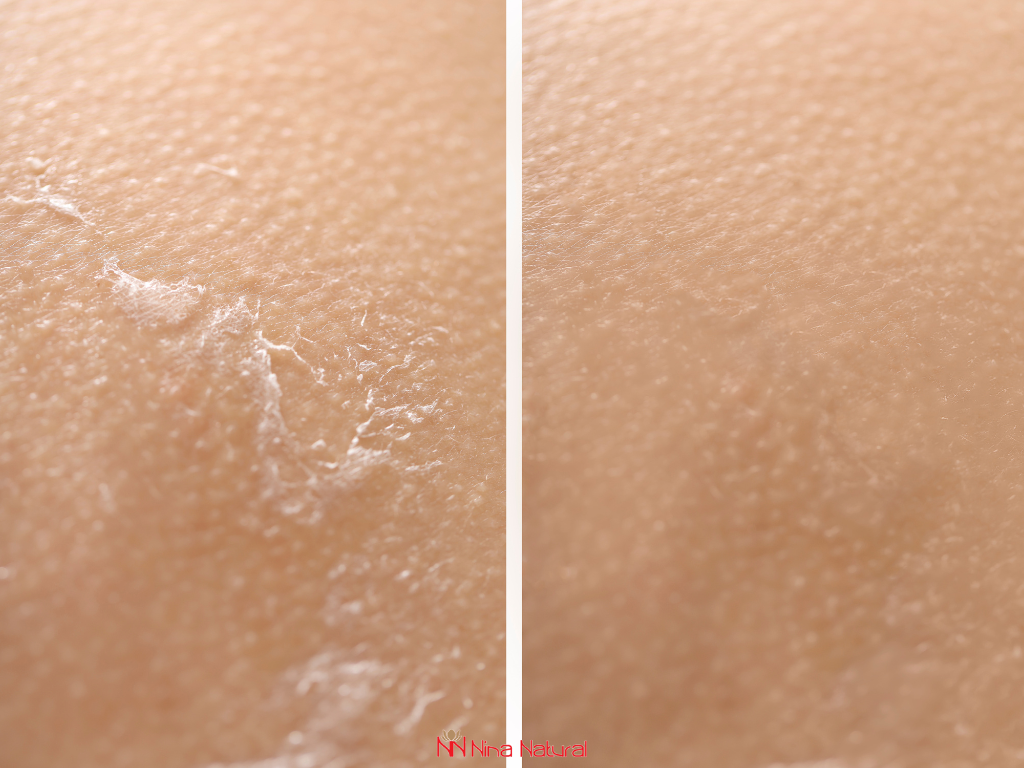
The Skin Quickly Becomes Too Oily or Feels Tight
If, after just a few hours, the face becomes noticeably shiny or, on the other hand, starts to feel tight and dry, that is often a sign that the cream does not suit the skin’s needs.
When skincare is not well balanced, makeup is usually the first thing to reveal the problem. Foundation may collect in certain areas, emphasize skin texture, or lose its polished appearance much faster than it should.
How to Test Whether a Cream Is a Good Makeup Base
The best way to evaluate a cream is not to test it only on your hand or rely on the first feeling it gives on your face. What matters is seeing how it performs in a real routine.
Apply the cream in the morning in the amount you normally use and wait a few minutes for it to absorb. Then apply the makeup you wear every day.
Pay attention to how the foundation spreads and whether problems appear immediately in the areas where makeup tends to settle most often, such as the nose, chin, or cheeks.
During the day, observe how the face looks. If the makeup stays neat, does not separate, and the skin maintains a feeling of comfort, that is a good sign that the cream works well as a base.
It is useful to test the cream for several days in a row, because the skin may react differently depending on the weather, stress, or fatigue.
An important sign is also the condition of the skin after removing makeup. If the face looks calm, soft, and well cared for, there is a good chance that the cream works well both as daily skincare and as a makeup base.
Why a High-Quality Daily Cream Can Be an Ideal Makeup Base
When people talk about a makeup base, attention is often focused on products that are supposed to smooth the skin and extend the wear of makeup. However, a much more important question is how the skin looks and feels underneath the makeup.
There is increasing discussion around an approach that views skincare from a long-term perspective, known as skin longevity, where the goal is not just immediate appearance, but long-term skin health.
When the skin is well cared for, hydrated, and balanced, makeup usually behaves differently. Foundation spreads more easily, emphasizes dry patches less, and blends more naturally with the complexion.
That is why a high-quality daily cream can play a much bigger role than people often think. Its purpose is not only to prepare the face for a few hours of makeup, but to support the skin so that it looks calmer, more elastic, and more even.
When a cream gives the skin what it needs, moisture, comfort, and a stable protective barrier, the face becomes a better base for everything that comes afterward. Under those conditions, even simple makeup looks neater and more natural.
That is why a good makeup base often does not begin in a makeup bag, but in a skincare routine.
Conclusion
A good makeup base does not begin in a makeup bag, but in a skincare routine. When the skin is hydrated, calm, and balanced, makeup applies more easily, looks more even, and keeps a polished appearance for longer.
That is why a daily cream can play a much bigger role than people often think. When the formula is well chosen and suits the needs of the skin, it can create a stable base on which foundation looks more natural and harmonious.
In the end, the best makeup base is not the one that only temporarily smooths the skin, but the one that helps it look healthy and well cared for even without makeup.